Description
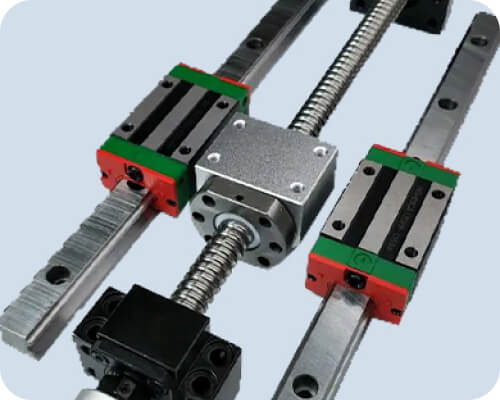
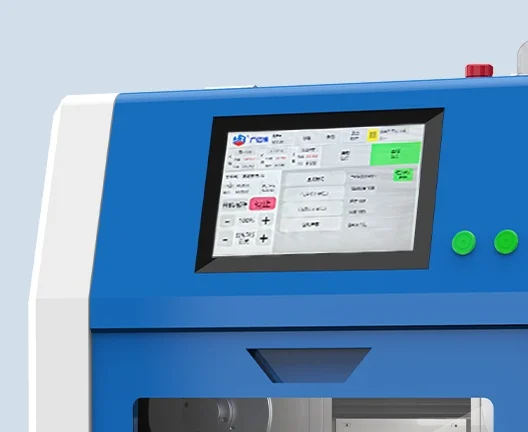
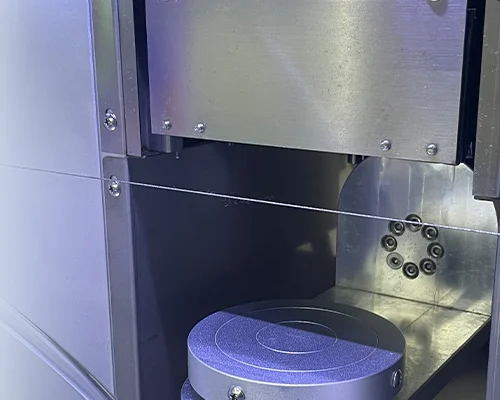
Advantages &Features
Parameter
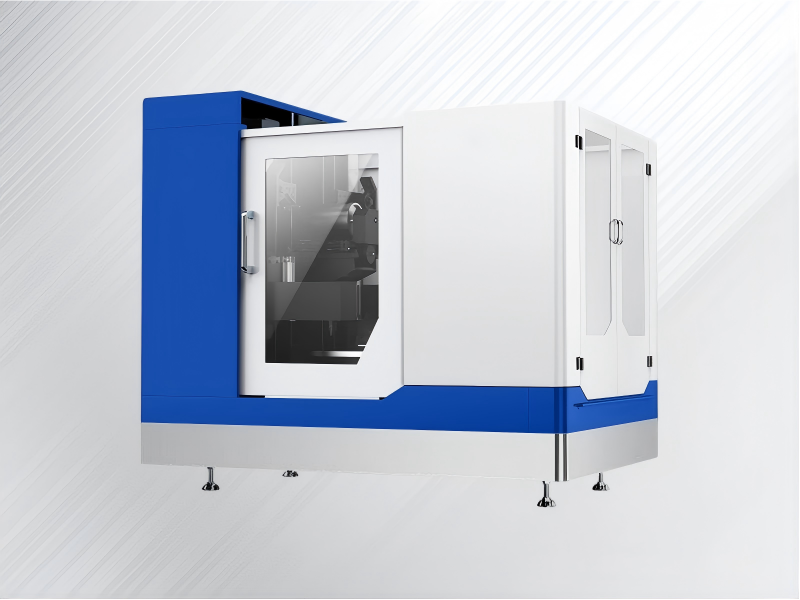
Product Parameter
| Parameter | Specification |
| Cutting method | vertical cut |
| Maximum slice size | φ400mm |
| Maximum cutting size | 300*300*300mm |
| Maximum cutting thickness | 300mm |
| Cutting surface roughness | ≤0.05mm |
| Cutting precision | ±0.05mm |
| Repeatability | ±0.01mm |
| Tightening method | counterweight |
| Diameter of diamond wire | 0.33-0.45mm |
| Lead screw and guide rail | Precision ground lead screw + high precision linear guide |
| Threaded wheel bearing | import |
| driving method | Servo motor |
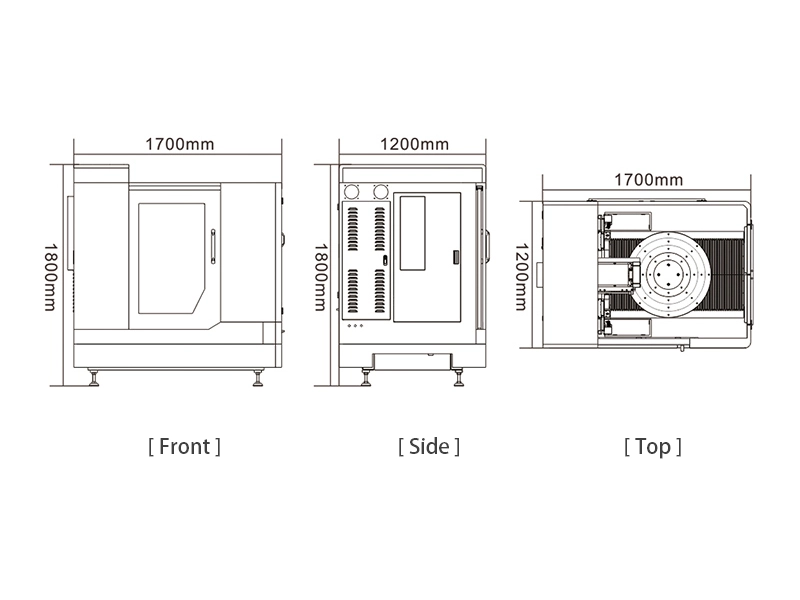
| External dimensions | 1500*1100*1860mm |
| Total weight of machine | ≈970kg |
| Total power | 2KW |
| Rated voltage | AC220V 50-60HZ |
| Power failure protection | have |
| control system | X80 – Touchscreen |
Application
FAQ
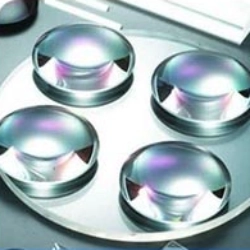
A ceramic, crystal, and sapphire cutting machine is a specialized industrial system designed for precision slicing of hard, brittle materials. These machines typically utilize diamond wire or diamond-impregnated blades to cut materials with Mohs hardness exceeding that of standard metals . They feature rigid machine structures, precision guidance systems, and programmable controls to achieve tight tolerances (±0.05mm) while minimizing material loss, chipping, and subsurface damage. Such equipment is essential in manufacturing optical components, semiconductor wafers, technical ceramics, and LED substrates where clean, stress-free cuts are critical.
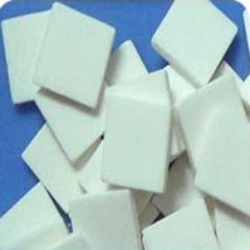
Porcelain is generally harder to cut than standard ceramic because it is denser and fired at higher temperatures. While both are “hard and brittle materials,” porcelain’s vitrified structure makes it more prone to micro-cracking. Specialized tools like diamond wire saws are preferred because they provide a non-stress cold cutting process, ensuring smooth, burr-free edges without shattering the material.
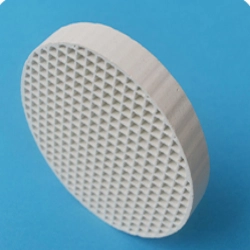
In the ceramics industry, a diamond wire saw is used for precision slicing of technical ceramics like alumina and zirconia. It is essential for sectioning large blocks or DPF filters where maintaining structural integrity is critical. The tool’s thin 0.38mm wire minimizes kerf loss and eliminates thermal stress, which prevents the internal micro-cracking common in conventional grinding methods.
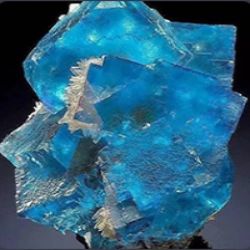
Industrial crystals are typically cut using CNC diamond wire saw machines or specialized dicing saws. For large-scale crystals like sapphire or silicon carbide, a horizontal diamond wire saw is ideal. It uses a diamond-impregnated wire to abrade the material at high speeds. This method is preferred for its “cold cutting” ability, which protects the crystal’s delicate lattice structure from heat damage.
According to experienced lapidaries, some of the most difficult gem materials to cut include cerussite, apophyllite, and kunzite. Cerussite is notoriously challenging due to its extreme temperature sensitivity—it can fracture from the heat of your hand during cutting . Apophyllite has a deceptive cleavage that causes it to shatter into flakes when touched to the lap . Other difficult gems include calcite, which tends to cleave unpredictably, and kunzite, which has perfect cleavage in two directions and can be frustrating to work with successfully .
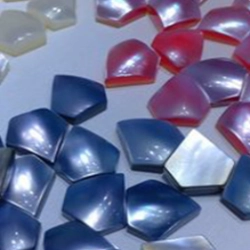
Gemstone cutting tools range from simple trim saws to sophisticated faceting machines. For initial shaping, lapidarists use diamond saws to slab rough material into workable thicknesses . Cabochon cutting employs grinding wheels (diamond or silicon carbide), expanding drums with sanding belts, and polishing disks . For faceted gems, a faceting machine is used, featuring a motor-driven lap plate, angle readout, index gear, and dop stick to hold the stone at precise angles while grinding and polishing each facet .