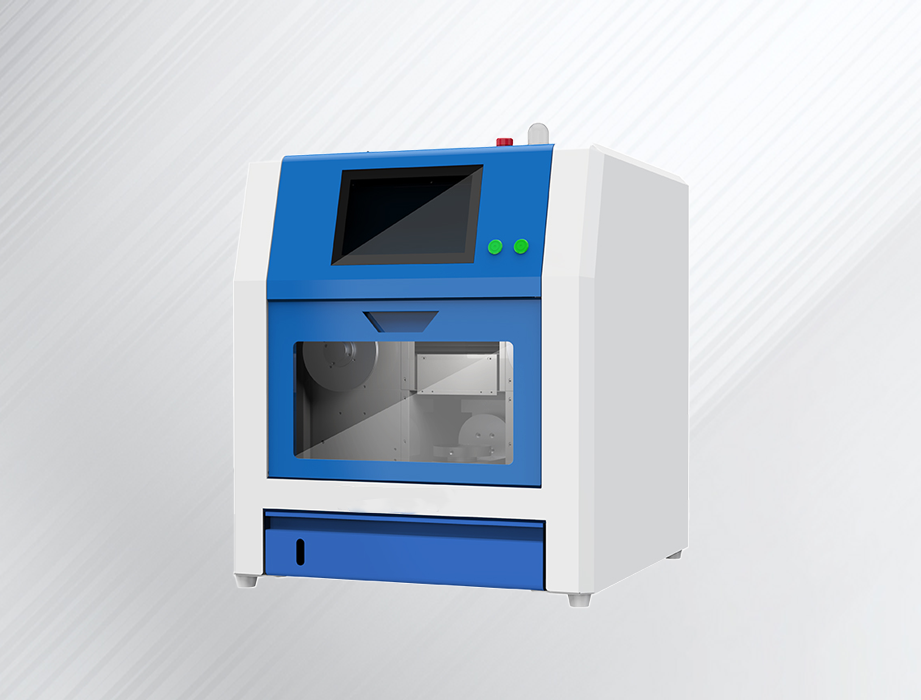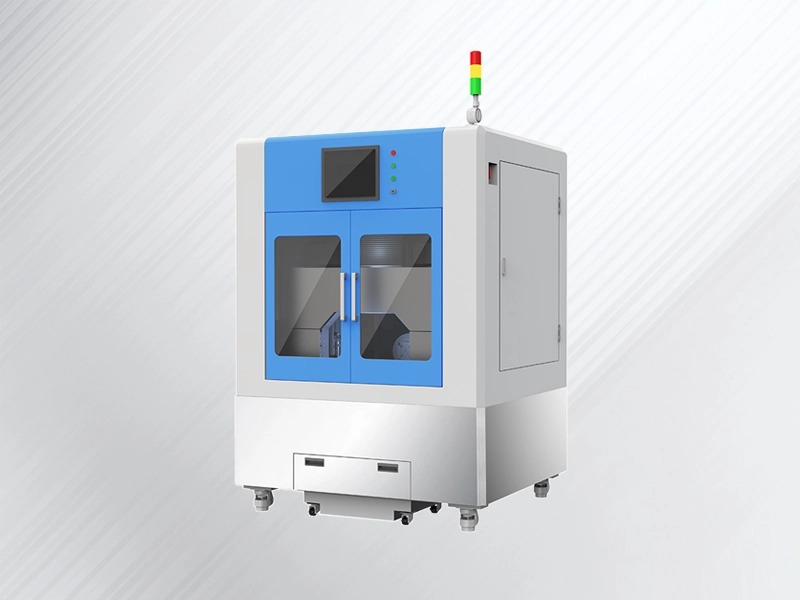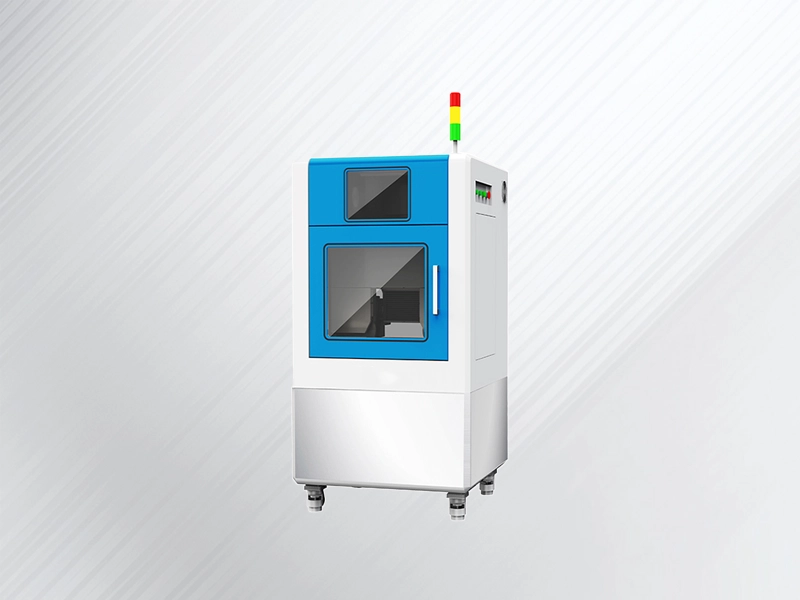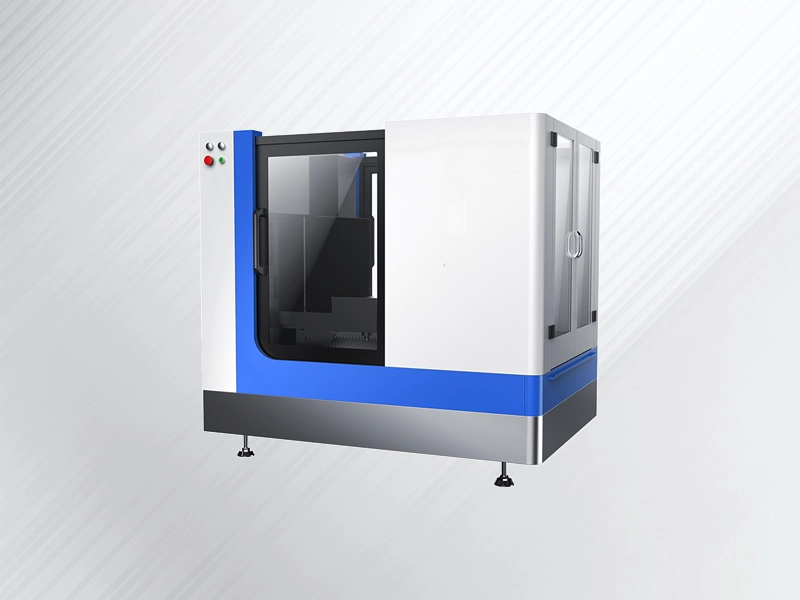
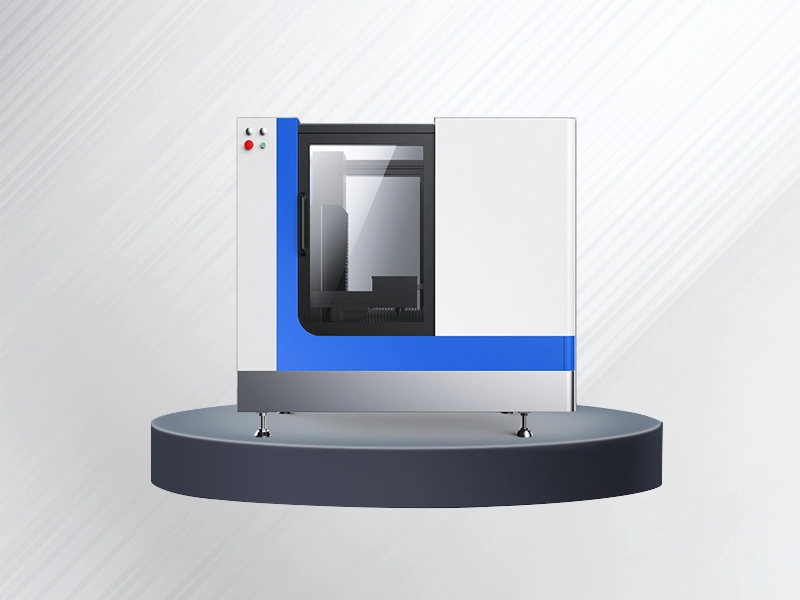
Description
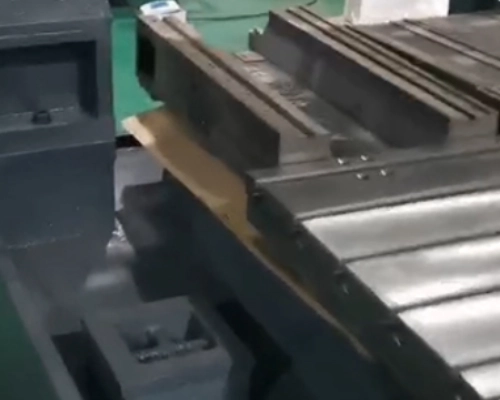
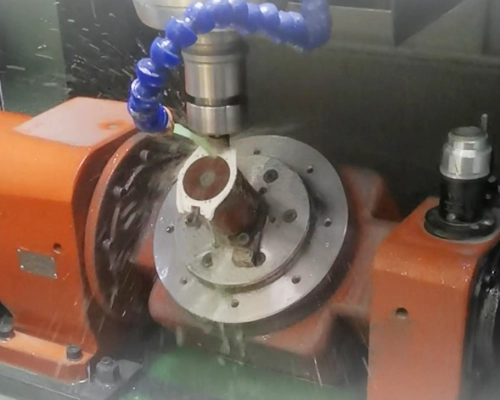
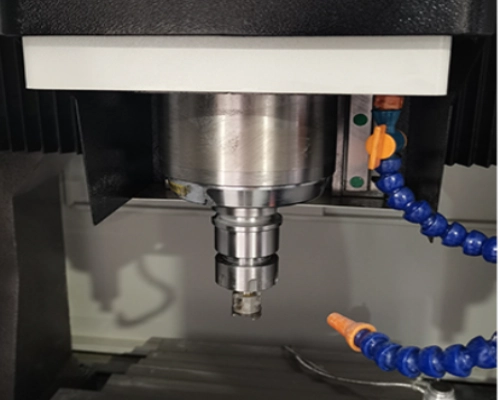
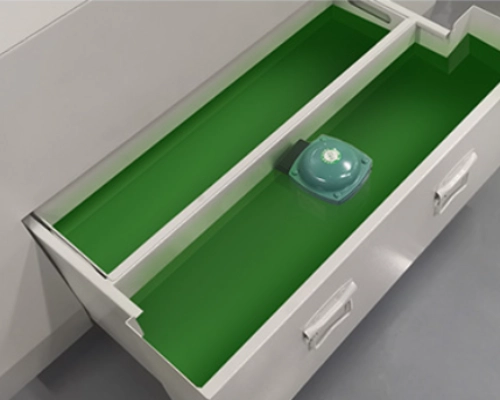
Advantages &Features
Parameter
Product Parameter
| Parameter | Specification |
| Machine tool sheet metal enclosure type | Full-coverage waterproof and dustproof |
| X, Y, Z travel (mm) | 510×420×260 |
| Maximum machining diameter of four axes (mm) | 240 (Customizable, larger size available) |
| Worktable dimensions (mm) | 500×430 |
| Gantry width (mm) | 600 |
| Spindle collet dimensions (mm) | 100/110/Other |
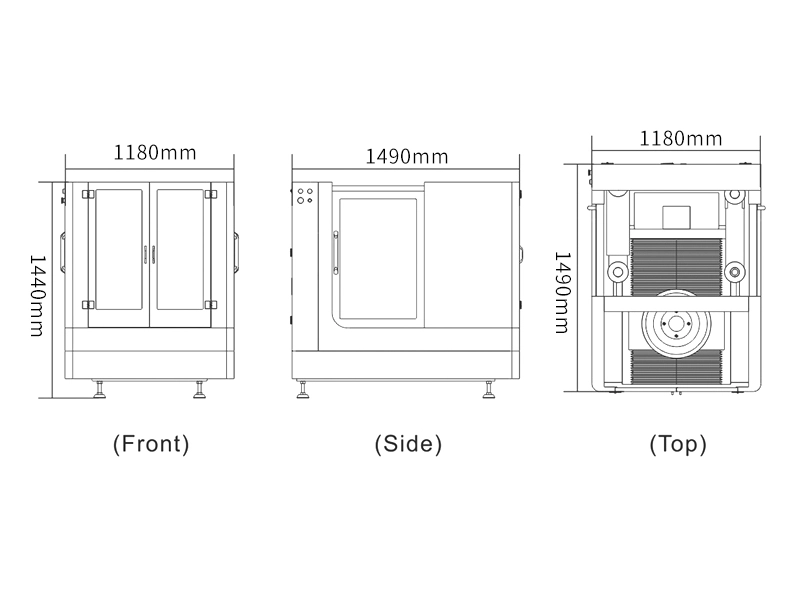
| Machine tool dimensions (length, width, height) (mm) | 1200×1380×2130 |
| linear guide | H-class guide rails from HIWIN Taiwan and Yintai Taiwan |
| Drive screw | C5 grade Taiwan TBI ground lead screw |
| Three-axis guide rail dimensions (mm) | 25, 25, 25 |
| Three-axis lead screw (mm) | 25, 25, 25 |
| Screw pitch | 10 |
| X, Y, Z axis positioning accuracy (mm) | ±0.005 |
| Fourth axis positioning accuracy (mm) | ±0.005 |
| X, Y, Z axis repeatability (mm) | ±0.003 |
| Fourth axis repeatability (mm) | ±0.003 |
| Three-axis lead screw bearing | German IBC |
| Four-axis motor power (W) | 750 |
| Power supply voltage (V) | 380/220 |
| Spindle power (kW) | 2.5/3.5 (5.5 optional) |
| spindle | ER20 manual tool changer electric spindle |
| spindle speed | 24000 (36000 optional) |
| Spindle cooling method | Water cooling (oil cooling optional) |
| Spindle nose to worktable (mm) | 300 |
| Spindle nose tip to center of fourth axis (mm) | 125 |
| Machine bed material | All cast iron (HT300) |
| coupling | Liyan |
| Internal protection | Saint-Jean Organ Protector (Steel Protector Optional) |
| Aircraft weight (kg) | 1250 |
| Optional configuration | |
| linear guide | Taiwan HIWIN and Taiwan Yintai P-class guide rails |
| Drive screw | C3 grade Taiwan TBI grinding screw |
| Screw pitch | 5 |
| spindle | Automatic tool changer electric spindle |
| Tool magazine | 8-knife disc magazine |
| Handle type | BT30/ISO20/ISO25 |
| operating system | Weihong/Baoyuan/Huazhong/Xindai, etc. |
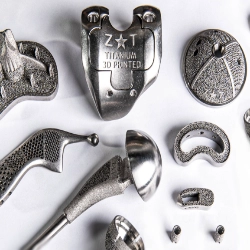
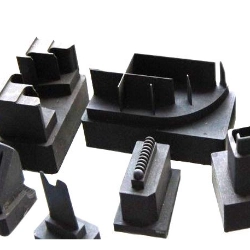
Application
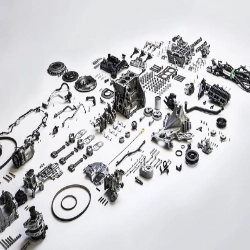
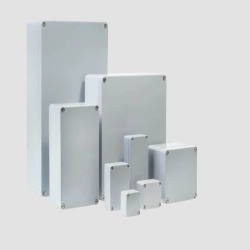
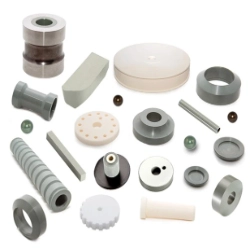
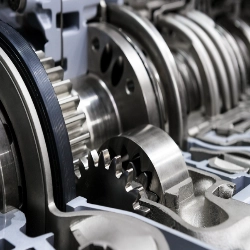
FAQ
Yes, any CNC milling machine can perform engraving operations using specialized tools like V-bits, ballnose end mills, or drag engravers . Engraving adds part numbers, logos, or decorative designs to surfaces. For best results, machines with high-speed spindles (24,000 rpm+) are preferred since engraving tools are typically small diameter and require higher rotational speeds . Our 4-axis machine with 24,000 rpm spindle and automatic tool changer handles both engraving and heavy milling in one setup.
CNC engraving and milling machines range widely based on capability. Entry-level machines start around $2,400-$10,000, suitable for small businesses and hobbyists . Mid-range professional models cost $10,000-$50,000, offering better precision and automation . Industrial-grade machines with 4/5-axis capability, automatic tool changers, and high rigidity range from $50,000 to $260,000+ . The global average selling price is approximately $48,500 per unit .
CNC engraving and milling machines combine fine engraving detail with powerful milling capability in one platform . Key advantages include micron-level accuracy (±0.003-0.005mm), ability to process diverse materials from wood to hardened metals, and multi-axis capability for complex geometries . They reduce setups by machining multiple faces in one clamping, eliminate manual errors, and enable unattended operation with automatic tool changers . These machines bridge the gap between simple engravers and heavy-duty mills.
Yes, for businesses machining complex parts requiring multiple operations, the ROI is compelling. A single CNC can replace 3-5 manual operators, saving $250,000+ in labor over five years . Material optimization reduces waste by 15-30% . For precision molds, medical devices, and automotive components, the ability to complete parts in one setup reduces production time by up to 60% and eliminates scrap from repositioning errors. Most shops recover investment within 12-24 months.
Profitability depends on utilization and market focus. Successful shops achieve 20-35% higher margins on CNC-produced parts versus manual methods . At 1,600-2,000 annual operating hours, a mid-range machine can generate $80,000-$150,000 in annual revenue at typical shop rates ($50-$150/hour) . High-value sectors like medical and aerospace command premium rates. The breakeven point for bringing outsourced work in-house typically occurs at $400,000-$500,000 annual spend on a single machine platform.
A CNC engraving and milling machine is a precision CNC machine tool that combines the fine detail capabilities of engraving machines with the powerful cutting characteristics of milling machines . Using high-rigidity mechanical structures (typically HT300 cast iron) and high-speed electric spindle technology (24,000 rpm+), it achieves micron-level accuracy while handling both light engraving and heavy milling . These machines fill the gap between simple engravers (limited to soft materials) and heavy-duty mills (optimized for large stock removal) .
Analyze your typical parts: required work envelope, number of faces to machine, materials, and tolerances . Calculate realistic annual operating hours (new users often overestimate by 30-50%). Consider future needs—4-axis capability adds multi-sided machining without full 5-axis cost . Evaluate spindle power for your materials, tool changer capacity, control system compatibility, and local technical support availability. Budget 7-9% of machine value annually for maintenance, plus initial tooling and installation .
Aluminum (especially 6061) is the easiest metal—excellent machinability, good surface finish, and moderate tool wear . Among steels, 12L14 free-machining steel offers a 190% machinability rating due to lead content that lubricates tools . 1018 mild steel (78% rating) machines well with sharp tools and light coolant . Brass is also exceptionally easy, producing excellent surface finishes with minimal tool wear. For engraving specifically, softer metals like aluminum and brass allow faster speeds and finer detail.