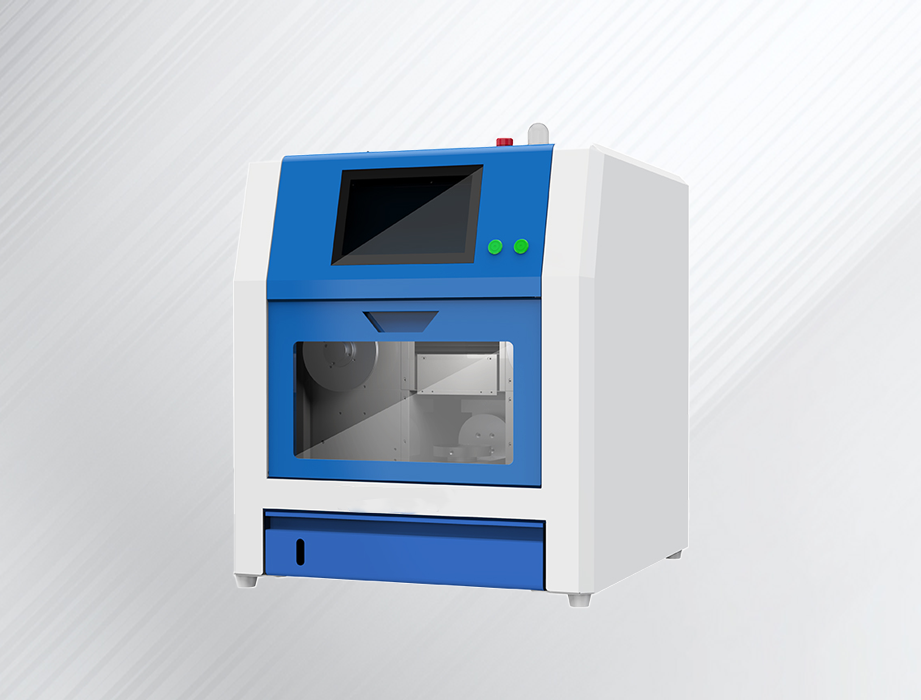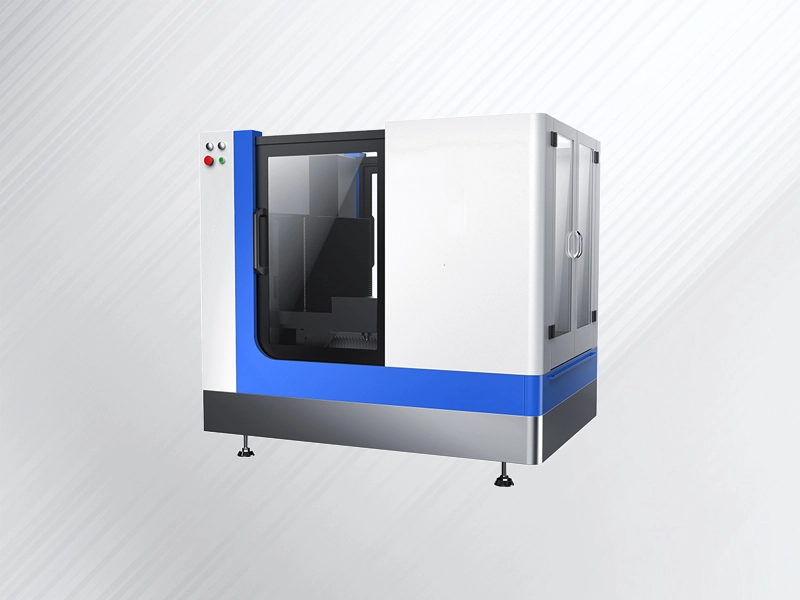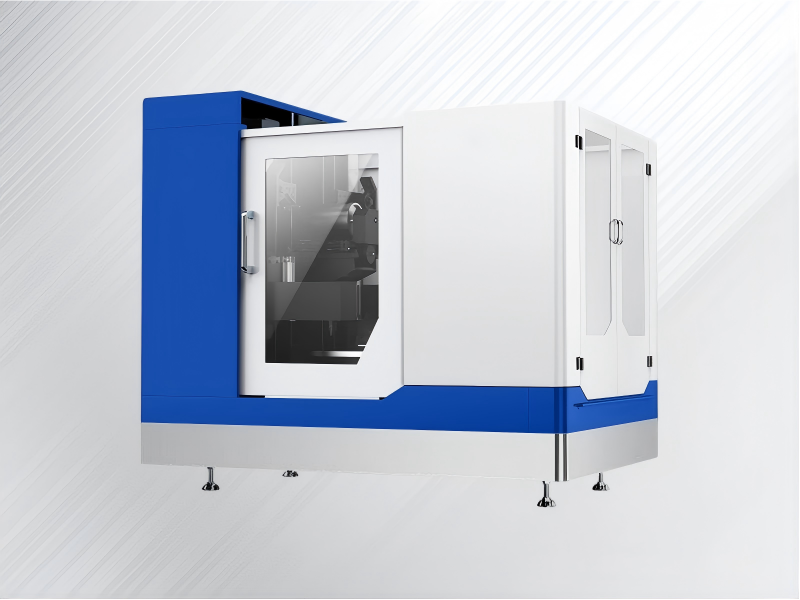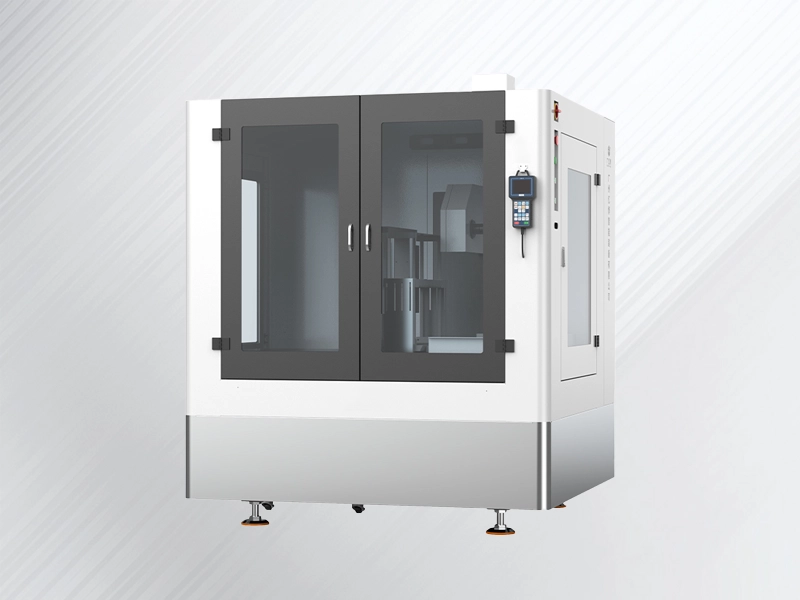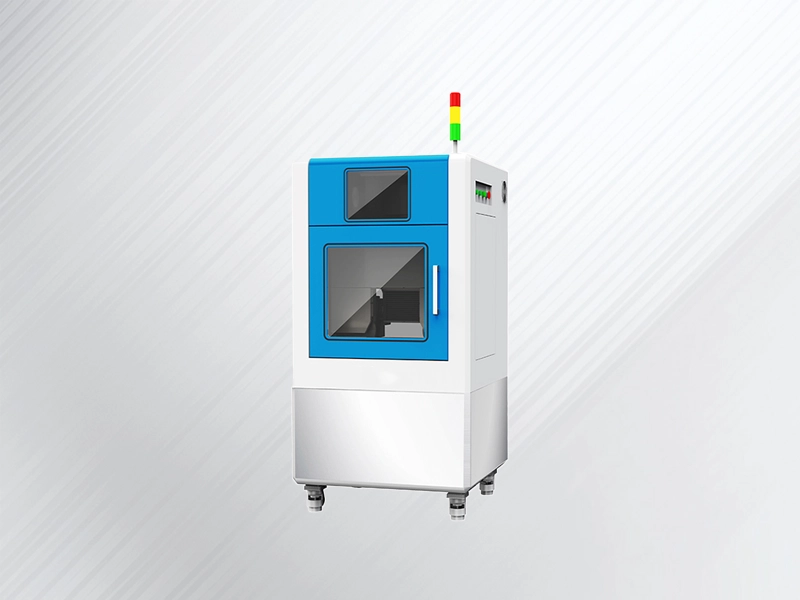
Description
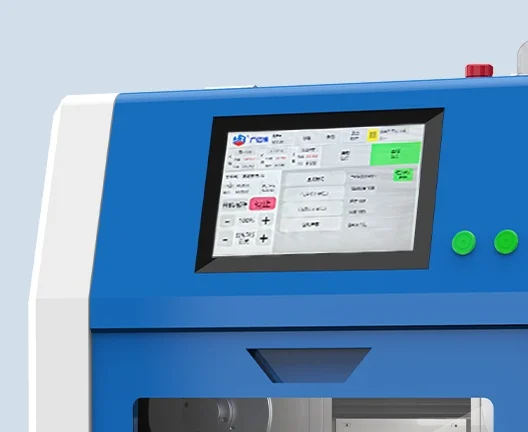
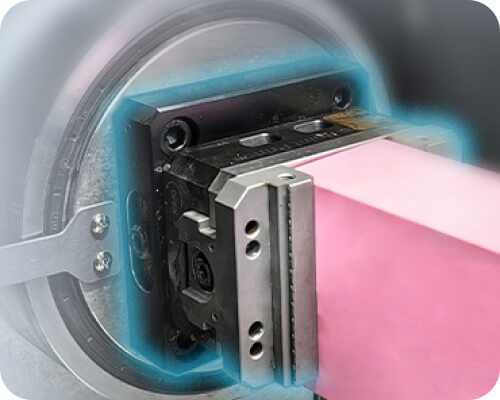
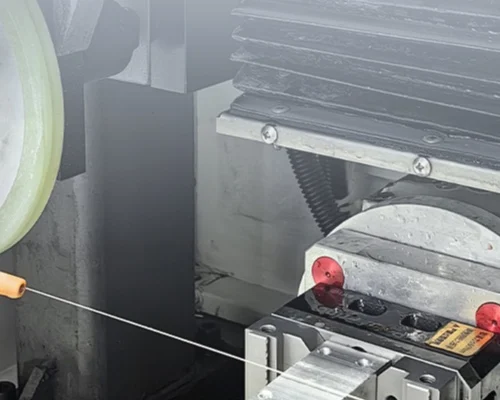
Advantages &Features
Parameter
Product Parameter
| Parameter | Specification |
| X/Y guide rail travel | 250*240mm |
| Cutting method | Vertical cutting + indexing plate cutting |
| Maximum cutting size | 240*200*200mm |
| Maximum cutting weight | 50kg |
| Maximum cutting efficiency | 1-150mm/min |
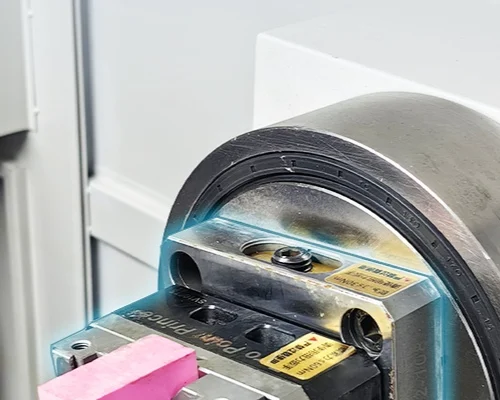
| Workpiece fastening method | Manual + Quick Switch Platform |
| Cutting surface roughness | ≤0.2mm |
| Cutting precision | ±0.05mm |
| Repeatability | ±0.01mm |
| Tightening method | counterweight |
| Diameter of diamond wire | 0.5-0.65mm |
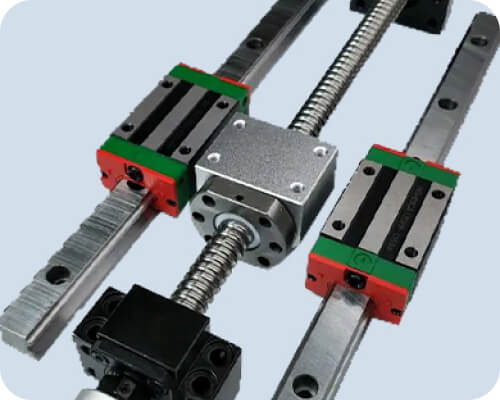
| Lead screw and guide rail | Precision ground lead screw + high precision linear guide |
| Threaded wheel bearing | import |
| driving method | Closed-loop stepper + servo |
| Wire Drive | asynchronous motor |
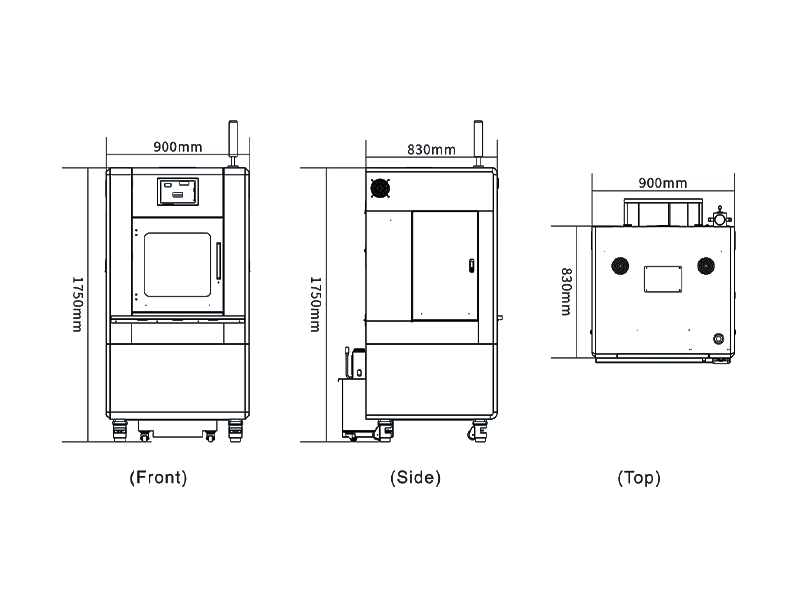
| External dimensions | 900*830*1750mm |
| Total weight of machine | ≈628kg |
| Total power | 2KW |
| Rated voltage | AC220V 50-60HZ |
| Power failure protection | have |
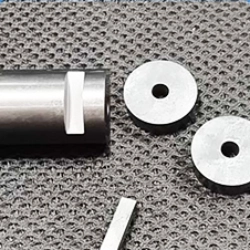
Application
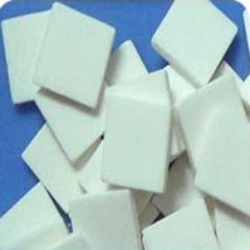
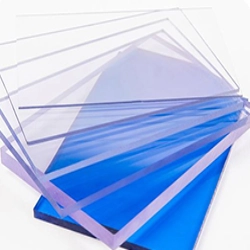

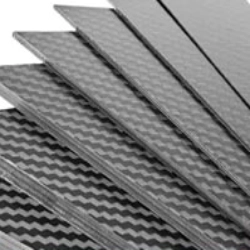
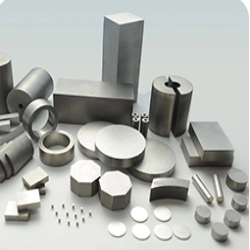
FAQ
Diamond wire saws cut hard, brittle materials including ceramics (alumina, zirconia), optical glass, quartz, sapphire, silicon, graphite, carbon composites, and rare-earth magnets . They also cut tungsten, steel, and aluminum . Since diamond is the hardest material, it cuts anything softer .
Diamond wire cutting uses a steel wire embedded with diamond abrasives that move at high speed across the workpiece . Each diamond grain performs micro-cutting, gradually removing material through abrasion . This “cold cutting” process generates no heat-affected zone, thermal stress, or micro-cracks . Cutting fluid removes debris and cools the wire .
Optimal speed depends on material hardness. Endless loop wires run continuously at high speeds up to 80 m/s (48-50 m/s typical) for efficient cutting . Feed rates range from 0.05-40 mm/min, with harder materials requiring slower feed . Research shows balancing wire speed and feed rate optimizes surface finish and throughput .
Two main types exist: reciprocating (open-ended) wire saws that reverse direction, and endless (closed-loop) wire saws that run continuously in one direction . Endless wire saws achieve higher speeds (up to 80 m/s), better surface finish with no wire marks, and reduced vibration . Wire types include rubber-bonded, ceramic-bonded, and metal-bonded for different materials .
Diamond wire uses industrial diamond particles (typically 30-50 μm) embedded in the wire surface . Each particle acts as a microscopic cutting tool . Diamond is hardness 10 on the Mohs scale, making it the sharpest available abrasive for cutting hard materials .
Yes, diamond wire saws cut metals including tungsten, steel, aluminum, and brass . They are particularly effective for hard metals and metal-matrix composites. However, for very ductile metals, proper cooling and lubrication are essential to prevent loading of the diamond abrasives .
An endless diamond wire loop saw uses a closed-loop wire that runs continuously in one direction at high speed (up to 80 m/s) . Unlike reciprocating saws, it eliminates reversal marks, reduces vibration, and achieves superior surface finish . It precision-cuts hard brittle materials including ceramics, sapphire, silicon, and magnets with ±0.05mm accuracy and minimal kerf loss .
Diamonds cannot effectively cut ferrous metals such as iron, steel, and stainless steel. At high cutting temperatures, diamond undergoes graphitization—a chemical reaction where carbon atoms dissolve into the iron, converting diamond into graphite and rapidly dulling the cutting edge. This chemical incompatibility makes diamond tools unsuitable for ferrous materials. For these metals, alternatives like cubic boron nitride or conventional abrasives are recommended.