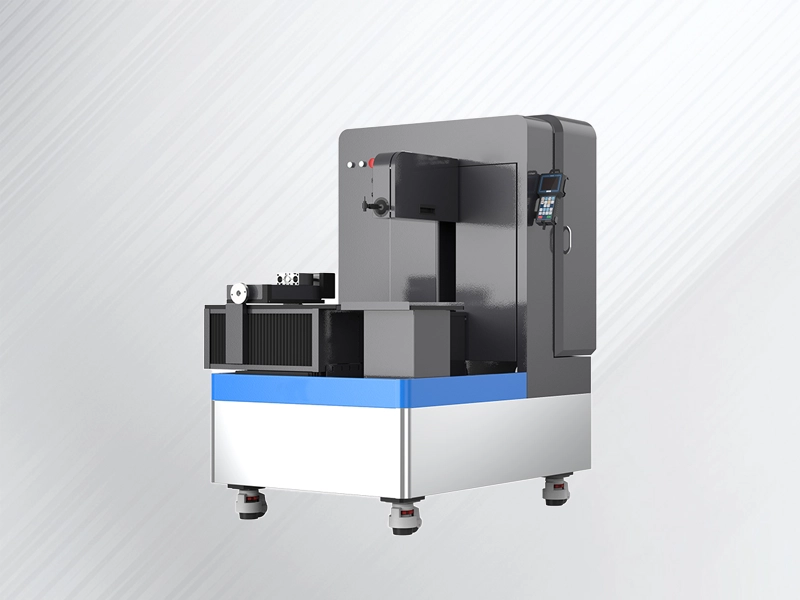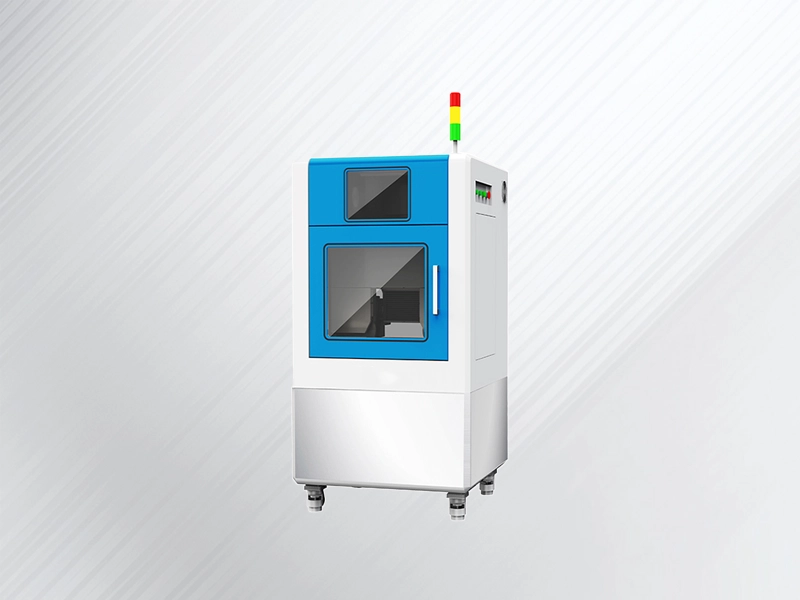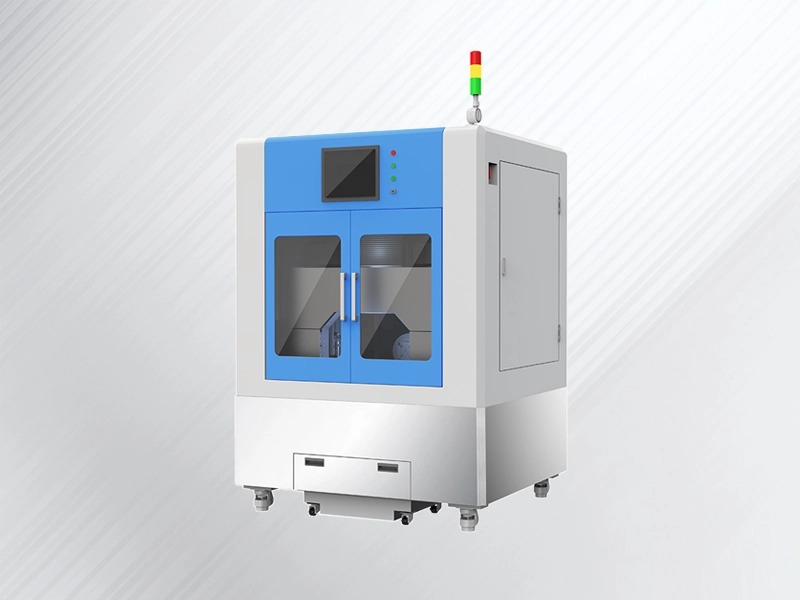
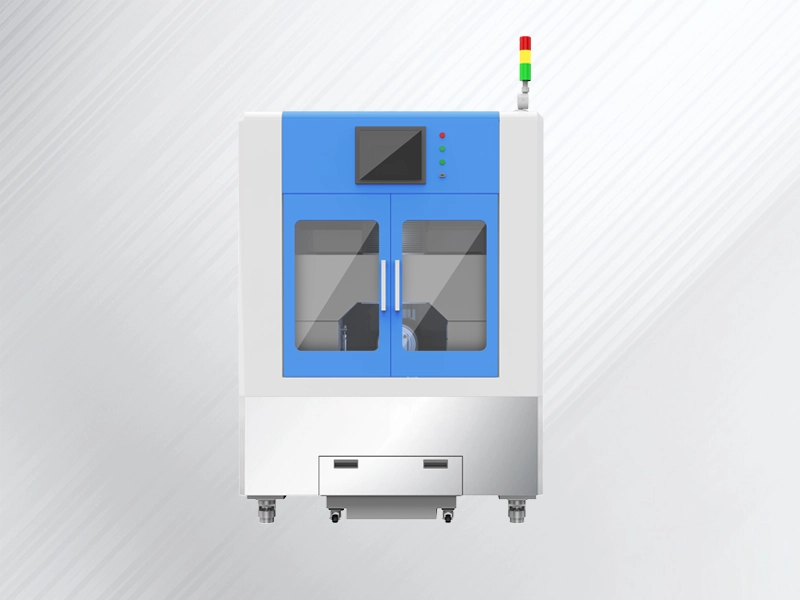
Description
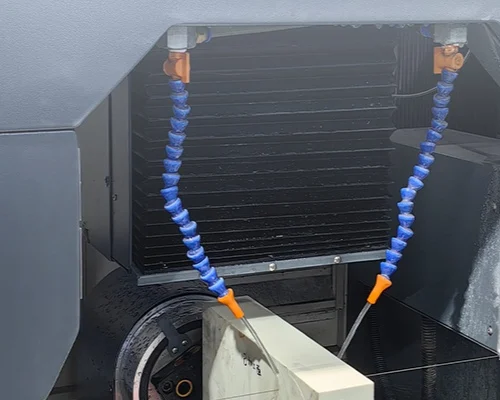
Advantages &Features
Parameter
Product Parameter
| Parameter | Specification |
| Planar cutting dimensions | 450*350*350mm |
| Turntable cutting dimensions | 350*350*350mm |
| Cutting method | Vertical cutting + indexing plate cutting |
| Maximum cutting weight | 50kg |
| Maximum cutting efficiency | 1-150mm/min |
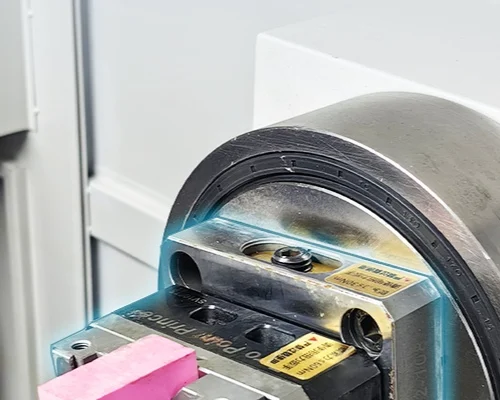
| Workpiece fastening method | Manual + Quick Switch Platform |
| Cutting surface roughness | ≤0.2mm |
| Cutting precision | ±0.05mm |
| Repeatability | ±0.01mm |
| Tightening method | counterweight |
| Diameter of diamond wire | 0.5-0.65mm |
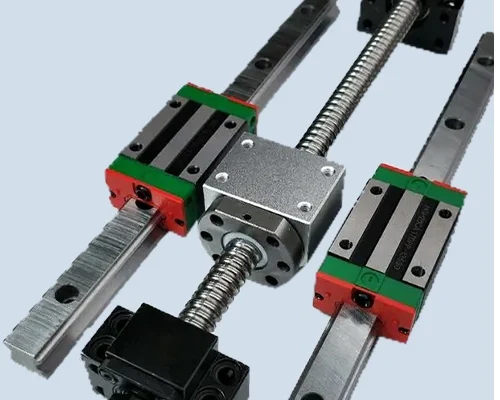
| Lead screw and guide rail | Precision ground lead screw + high precision linear guide |
| Threaded wheel bearing | import |
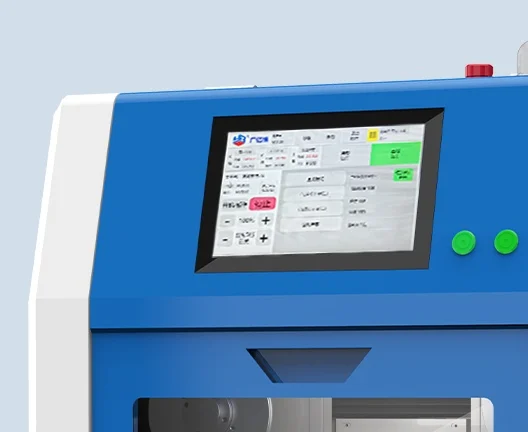
| driving method | Closed-loop stepper + servo |
| Wire Drive | asynchronous motor |
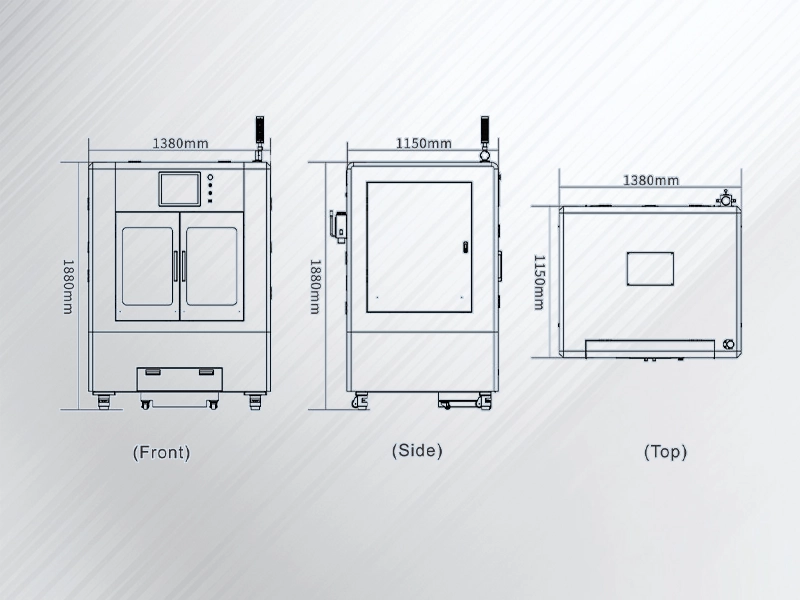
| External dimensions | 1150*1380*1880mm |
| Total weight of machine | ≈800kg |
| Total power | 3KW |
| Rated voltage | AC220V 50-60HZ |
| Power failure protection | have |
Application

FAQ
The operational lifespan of a diamond wire saw machine typically ranges from 10 to 15 years, depending on maintenance and workload. While the machine’s structural frame is highly durable, consumable parts like pulleys, bearings, and the tensioning system require periodic replacement. Regular calibration and proper cleaning of sludge significantly extend the precision and service life of the internal components.
Yes, diamond wire is highly effective at cutting steel and various ferrous metals. For these applications, the wire is often impregnated with industrial diamonds specifically graded for metallic hardness. It is frequently used in industrial decommissioning and construction to cut through reinforced concrete and heavy steel beams, offering a cold-cutting solution that minimizes heat distortion compared to traditional torches.
Diamond wire is manufactured by fixing industrial diamond crystals onto a high-strength steel cable. This is typically done through electroplating or vacuum brazing methods. In the bead-type process, diamond beads are threaded onto the wire with spacers and springs, then encased in a protective layer of rubber or plastic to protect the core cable from abrasion and chemical corrosion during use.
Medium-sized diamond wire saw machines are versatile enough to cut through various metals, including aluminum, copper, and carbon steel. Their robust motors provide the necessary torque, while the adjustable feed rates allow the operator to manage the resistance of the metal. These machines are ideal for laboratory sampling, metallurgical analysis, and precision parts manufacturing where high-quality surface finishes are required.
To operate a medium-sized machine, first secure the workpiece on the platform using appropriate clamps. Thread the diamond wire through the pulley system and apply the correct tension. Set the desired feed rate and wire speed based on the material’s hardness. Finally, activate the cooling system—usually water or oil—and start the cut, monitoring the process to ensure the wire remains stable.
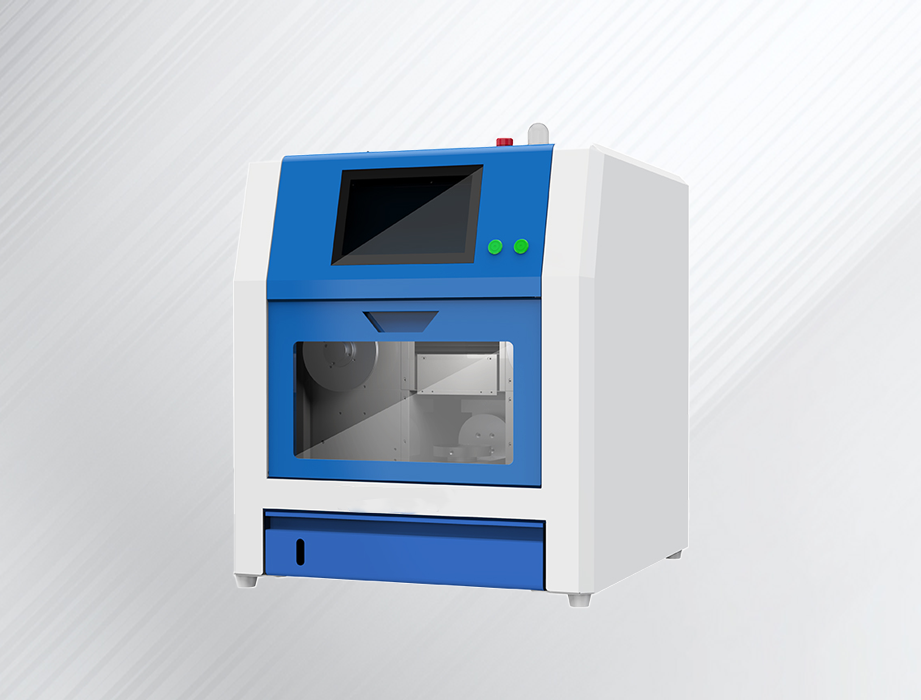
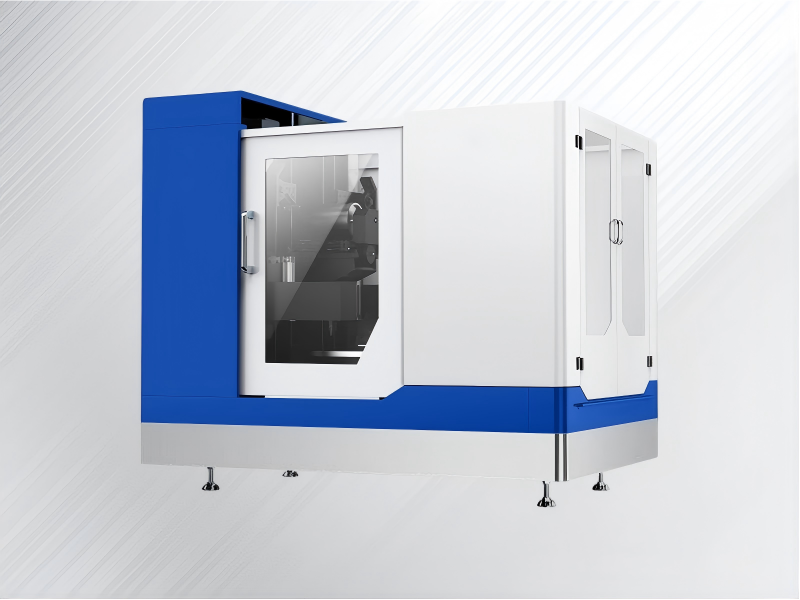
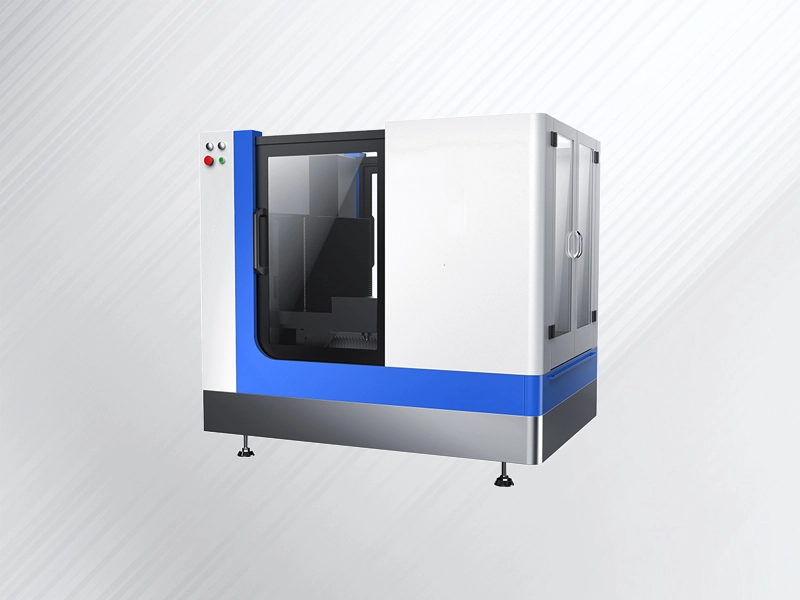
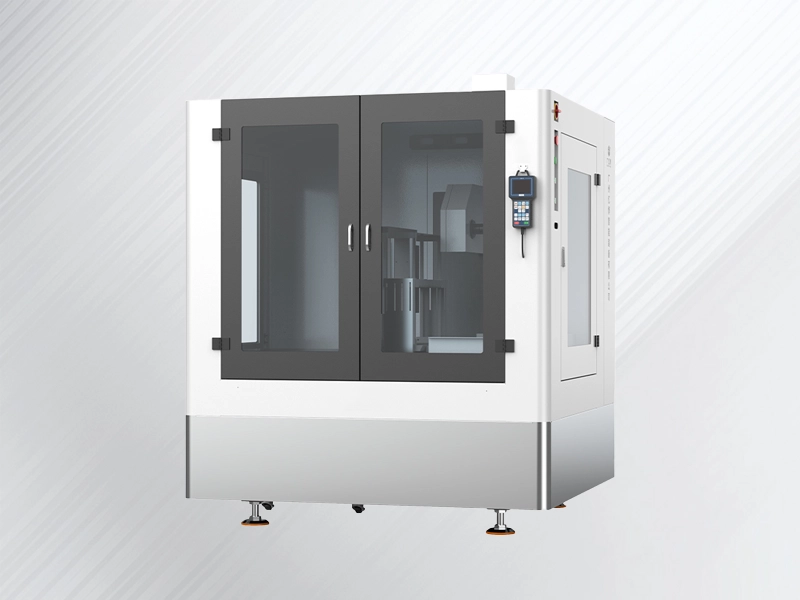
A medium-sized diamond wire saw machine is a precision cutting toool designed for workpieces that are too large for benchtop models but don’t require heavy industrial scale. These machines usually feature a working area around 300 x 300 mm to500 x 500 mm. They
provide a balance between space-saving design and powerful cutting capabilities, ofter
featuring multi-axis control for complex shapes.
“Overcharged” diamond wire refers to wire with a higher density of diamond grit. To use it effectively, you must increase the cooling flow to prevent overheating due to higher friction. Because the wire is more aggressive, you can often utilize a higher feed rate; however, you must monitor tension closely, as the increased grit density can cause more drag against the material during the cutting process.
The cost of a medium-sized diamond wire saw machine typically ranges from $8,000 to $25,000, depending on the level of automation and precision. Entry-level manual models are more affordable, while high-end versions with CNC programmable controls, 360-degree rotation, and advanced tensioning systems sit at the top of the price range. Specialist features like vacuum stages or custom enclosures will also increase the final price.