Description
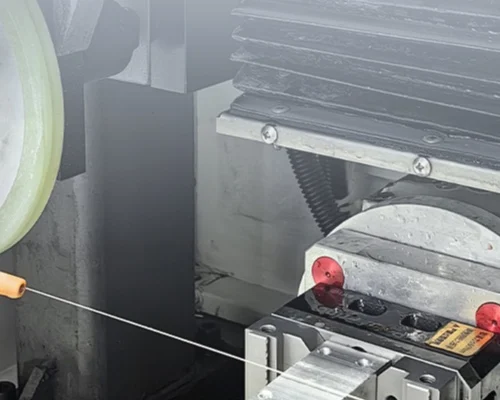
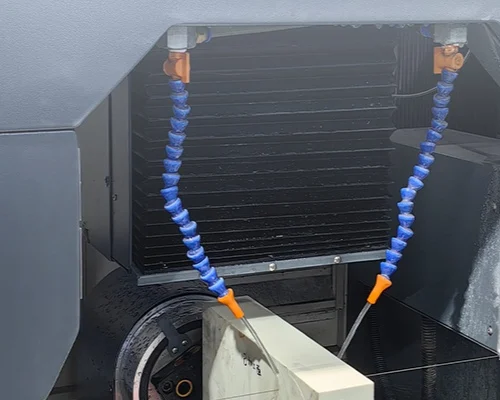
Advantages &Features
Parameter
Product Parameter
| Parameter | Specification |
| Cutting method | Horizontal cutting |
| Maximum cutting size | φ580mm |
| Maximum cutting thickness | 300mm |
| Maximum cutting weight | 300kg |
| Cutting surface roughness | ≤0.1mm |
| Cutting precision | ±0.1mm |
| Tightening method | counterweight |
| Diameter of diamond wire | 0.5-0.65mm |
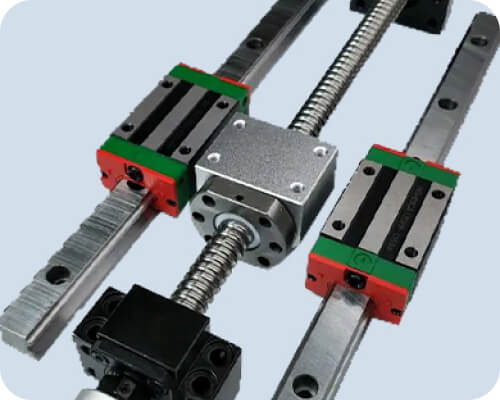
| Lead screw and guide rail | Precision ground lead screw + high precision linear guide |
| Threaded wheel bearing | import |
| driving method | Stepper motor |
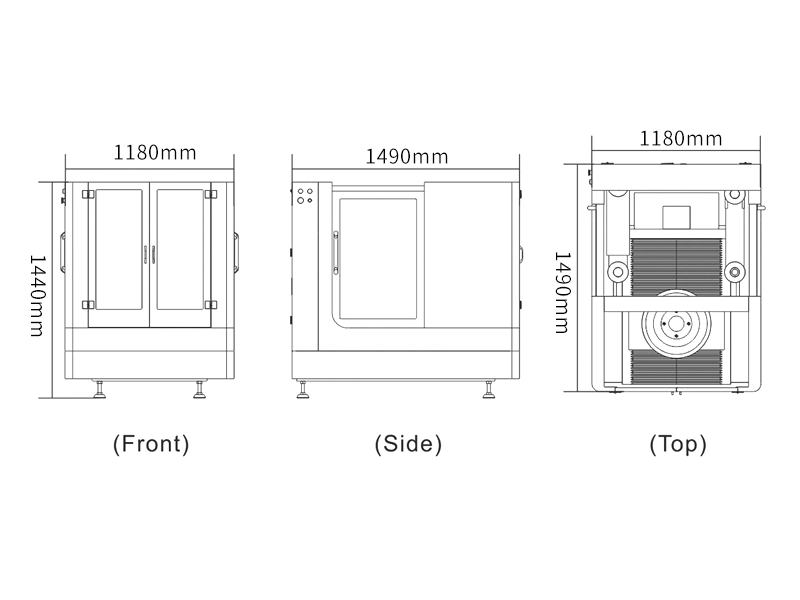
| External dimensions | 1490*1180*1440mm |
| Total weight of machine | ≈900kg |
| Total power | 1.8KW |
| Rated voltage | AC220V 50-60HZ |
| Power failure protection | have |
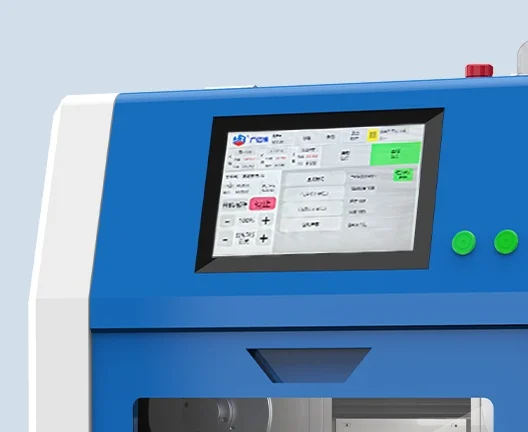
| control system | X80-Controller |
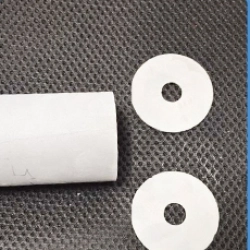
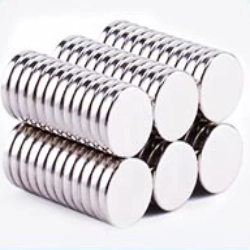
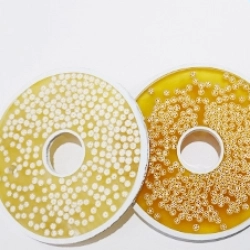
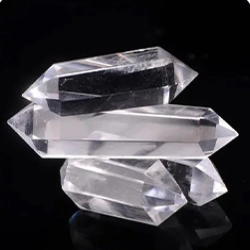
Application
FAQ
Industrial glass cutting can be performed by waterjet cutters, laser systems, or specialized diamond wire saws. For high-value materials like quartz or sapphire, an endless diamond wire cutting machine is preferred because it utilizes a “cold cutting” process to ensure smooth, burr-free edges without inducing thermal stress or internal micro-cracks.
Yes, a diamond wire saw is ideal for cutting glass, particularly optical and quartz varieties. The machine uses a wire impregnated with diamond particles to abrade the material precisely. This method minimizes kerf loss and prevents the shattering or chipping often associated with traditional blade-based mechanical cutting methods.
Common mistakes include using incorrect wire tension, which leads to breakage, and insufficient cooling that causes thermal damage. Neglecting proper workpiece stabilization on the horizontal table can cause vibration, resulting in uneven surfaces. Additionally, failing to adjust the cutting speed for material hardness often results in premature wire wear.
Diamond is the hardest substance used for cutting glass. In endless wire saws, industrial-grade diamond particles are bonded to a high-strength wire loop. This allows the machine to easily abrade hard-brittle materials like quartz and sapphire, which have high Mohs hardness ratings that would quickly dull standard steel or abrasive blades.
An endless diamond wire saw can achieve high linear speeds, often reaching up to 80m/s. This unidirectional motion is significantly faster than traditional reciprocating saws, allowing for rapid slicing of large blocks. Actual cutting rates vary depending on the specific material hardness, such as quartz versus technical ceramics.
The price for an industrial-scale machine typically ranges from $15,000 to $45,000. The final cost depends on customization requirements, table size, and automation features. While the initial investment is significant, the long-term ROI is driven by reduced material waste, lower labor costs, and the elimination of secondary polishing.
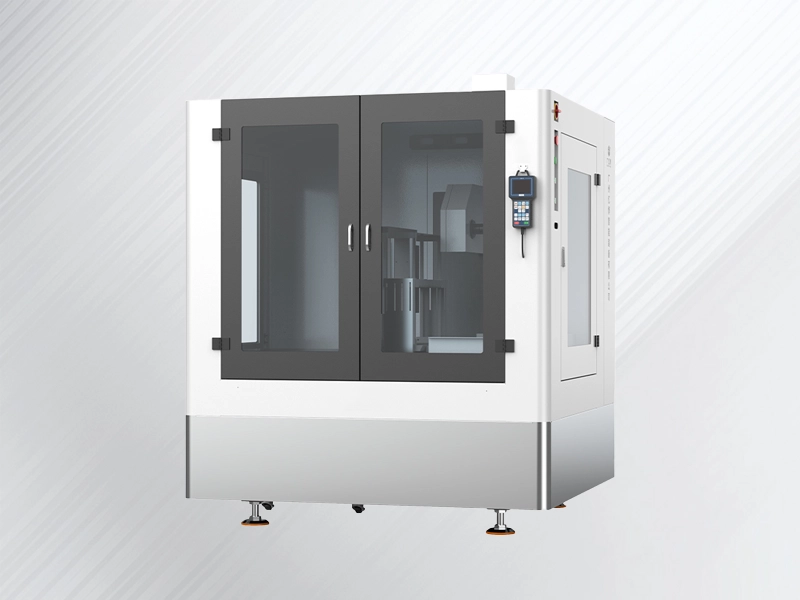
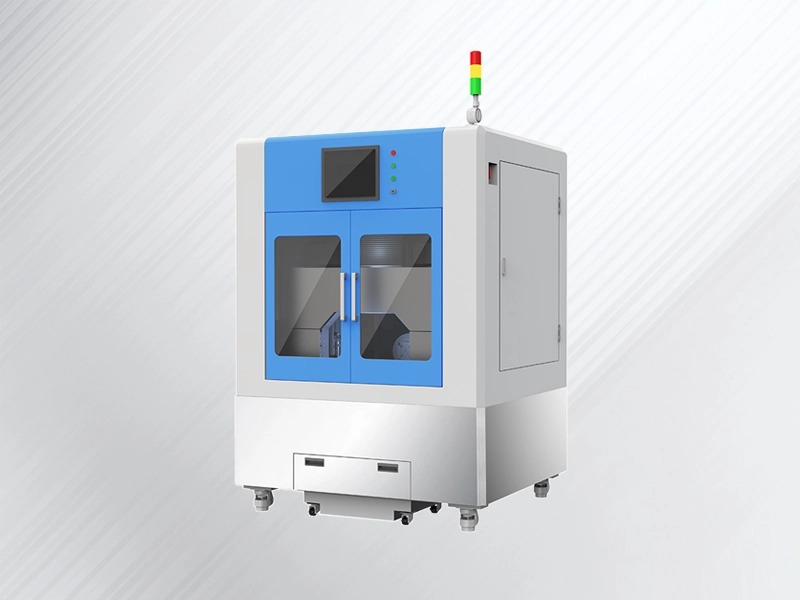
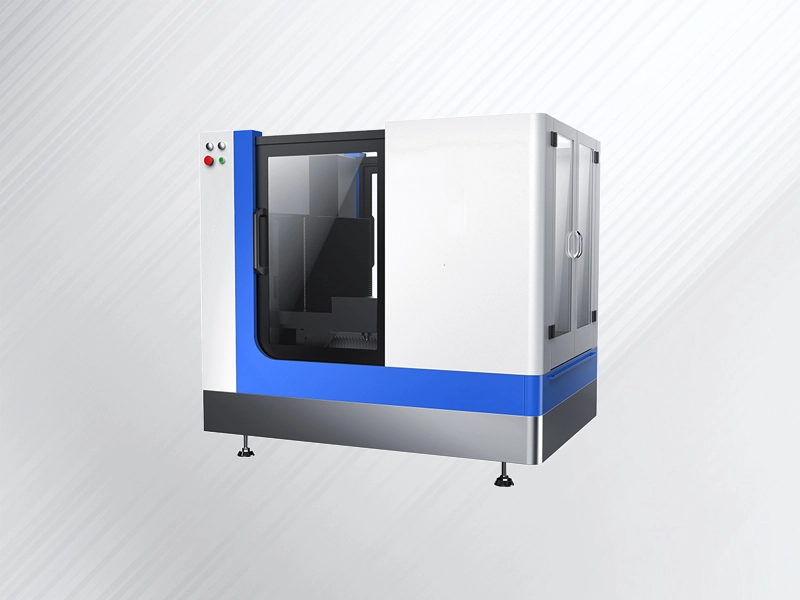
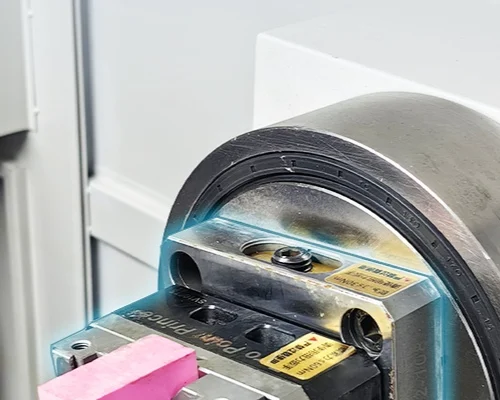
This is a precision industrial instrument designed for slicing large, hard-brittle materials using a diamond-impregnated loop. It features a heavy cast iron base for stability and a horizontal rotary table for workpieces up to 580mm. It is essential for high-yield production of silicon, quartz, and technical ceramics.
First, secure the workpiece onto the horizontal table using specialized fixtures or adhesive. Use the X80 handle controller to set the desired slicing thickness and parameters. Activate the recirculating coolant system, then initiate the automatic cutting sequence. The machine executes continuous slicing with minimal manual intervention.