Description
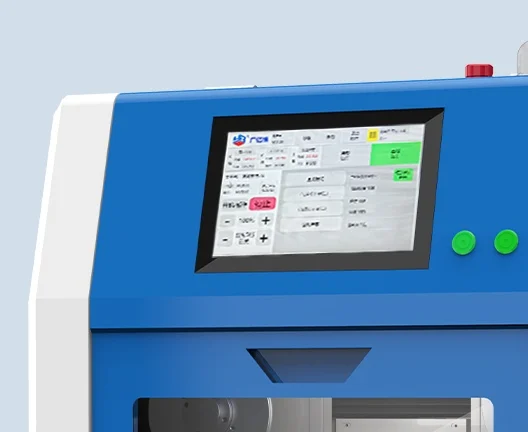
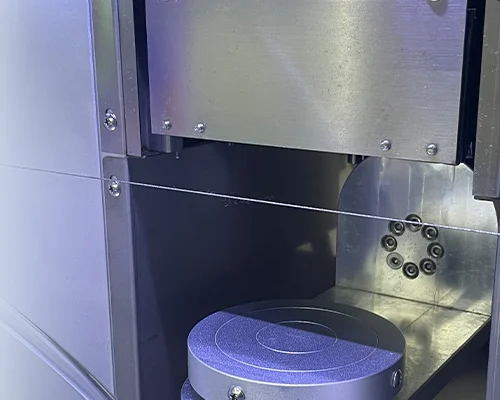
Advantages &Features
Parameter
Product Parameter
| Parameter | Specification |
| Z/Y guide rail travel | 140*218mm |
| Cutting method | vertical cut |
| Maximum cutting size | 140*180mm |
| Maximum cutting thickness | 90mm |
| Maximum cutting weight | 10kg |
| Maximum cutting efficiency | 0.1-100mm/min |
| Cutting surface roughness | ≤0.2mm |
| Cutting precision | ±0.05mm |
| Repeatability | ±0.01mm |
| Tightening method | spring |
| Diameter of diamond wire | 0.35-0.65mm |
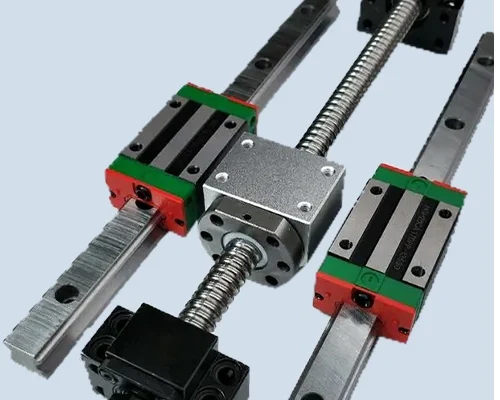
| Lead screw and guide rail | Precision ground lead screw + high precision linear guide |
| Threaded wheel bearing | import |
| driving method | Stepper motor |
| Wire Drive | Servo motor |
| External dimensions | 620*642*672mm |
| Total weight of machine | ≈200kg |
| Total power | 1.3KW |
| Rated voltage | AC220V 50-60HZ |
| Power failure protection | have |
Application


FAQ
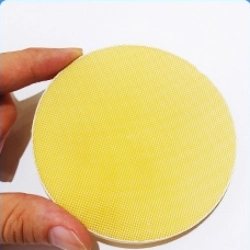
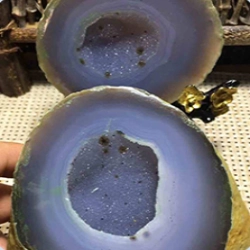
A diamond wire saw is primarily utilized for the high-precision, stress-free slicing of hard and brittle materials such as semiconductors, crystals, and ceramics. It is an essential tool for cutting expensive materials because its fine wire minimizes kerf loss. This ensures high material utilization while producing smooth, burr-free edges and preventing structural damage.
Yes, diamond wire saws are capable of cutting underwater and are frequently used in wet-cutting scenarios to achieve a mirror-like surface finish. In laboratory or industrial settings, specialized coolants or water are used to lubricate the wire during the process. This cooling method effectively dissipates heat, flushes out debris, and helps maintain the integrity of the material.
Diamond cutting tools generally cannot effectively cut low-melting-point plastics, highly elastic rubbers, or soft ductile metals. These soft materials tend to smear or gum up the diamond grit, potentially wrapping around the drive wheels and stalling the machine. Additionally, certain ferrous alloys may cause rapid chemical wear on the diamond crystals at high temperatures during the cutting process.
The cutting speed of a diamond wire saw is highly variable, typically offering an efficiency range between 0.1 and 100mm/min depending on material hardness. By utilizing an endless loop design, these saws maintain high linear speeds that significantly outperform traditional reciprocating models. Operators can optimize the feed rate via touch-screen controls to balance processing speed with the desired surface quality.
Choosing the right saw requires evaluating your specific sample dimensions, material hardness, and the required precision for your project. For laboratory environments, a compact desktop model is ideal due to its high accuracy of ±0.05mm and repetitive positioning of ±0.01mm. Consider machines that offer versatile modes, such as vertical slicing, 360-degree horizontal angle adjustment, and irregular shape profiling.
An endless diamond wire is exceptionally durable, often lasting 3 to 5 times longer than traditional reciprocating wires and providing over 200 hours of continuous work. This extended lifespan is due to the unidirectional loop design, which eliminates the mechanical stress caused by constant back-and-forth movement. Durability is further enhanced by precision servo-driven motors and specialized spring tensioning systems.
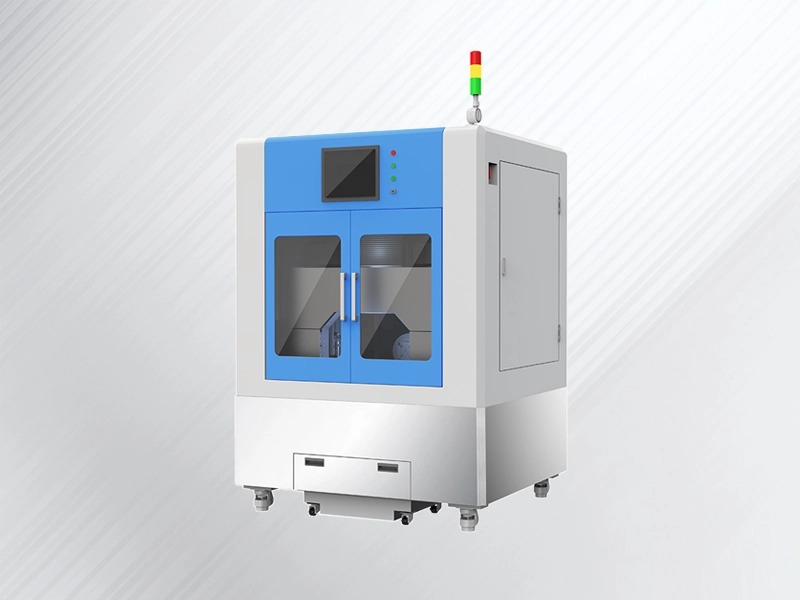
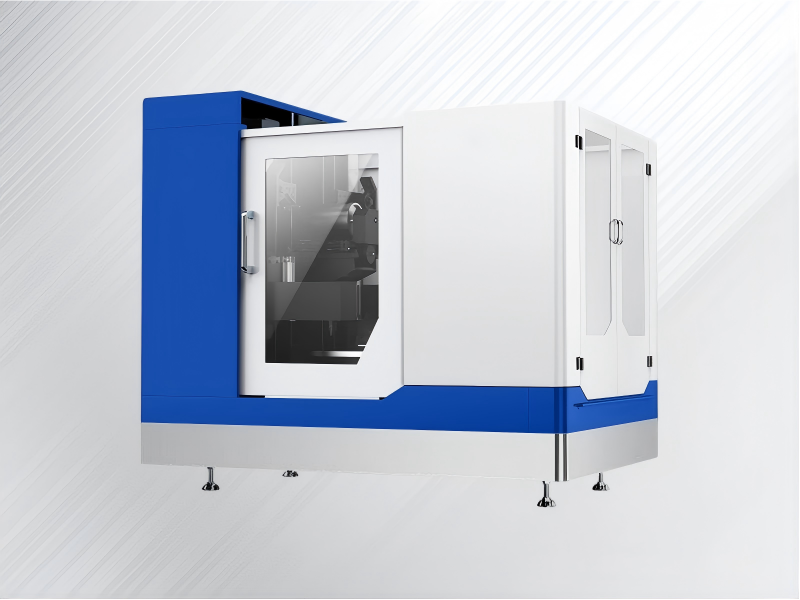
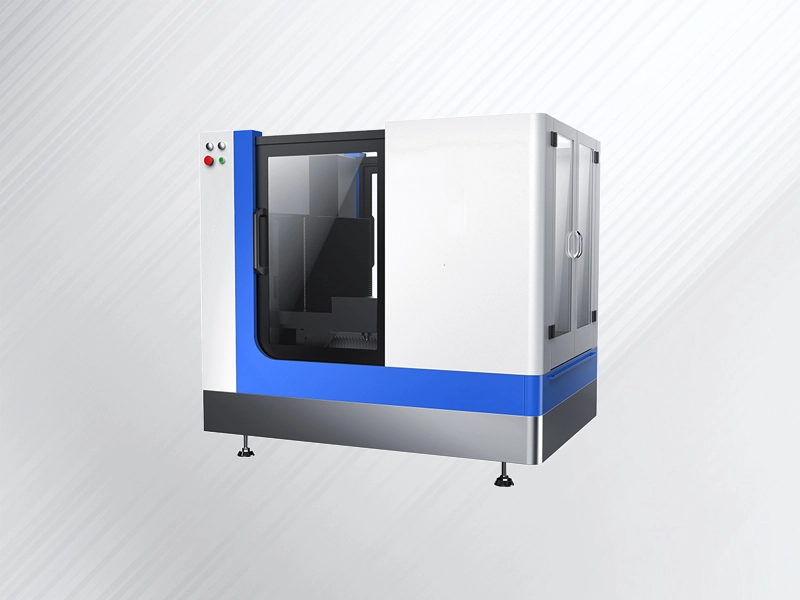
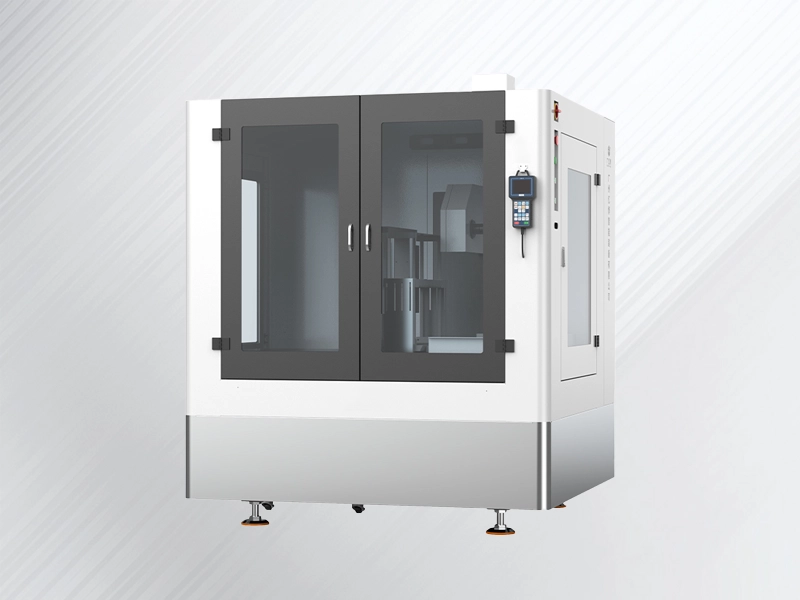
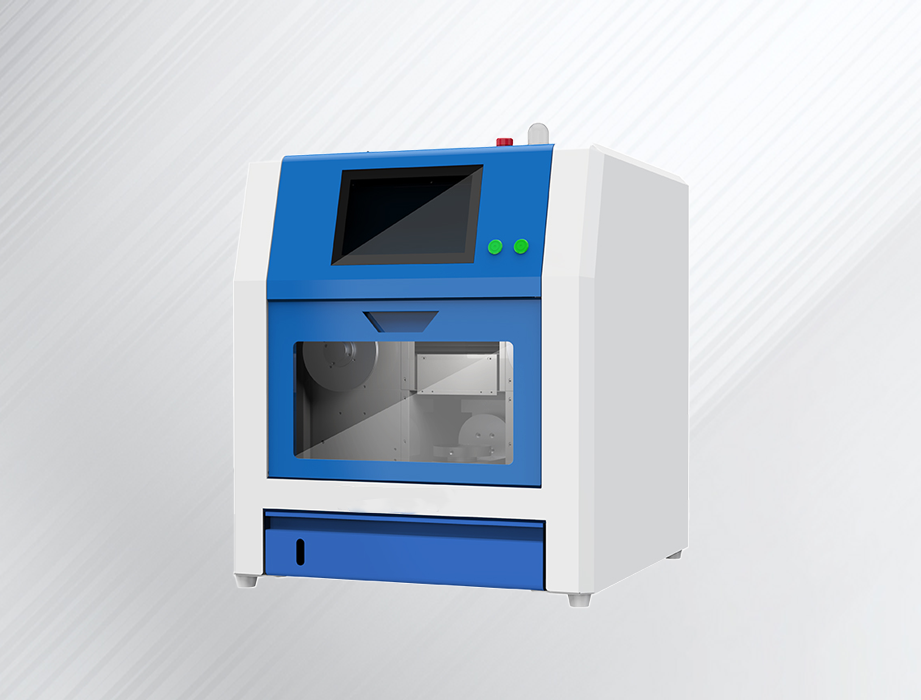
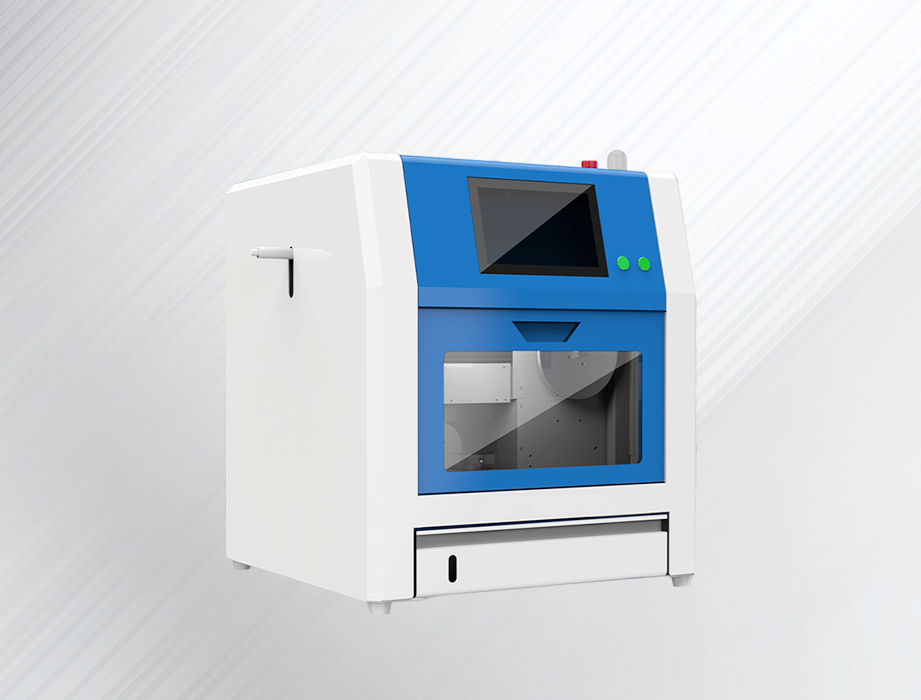
A Small Desktop Diamond Wire Saw Cutting Machine is a compact, high-precision laboratory system designed for the efficient slicing of hard, brittle materials. It uses a continuous loop of fine diamond wire, typically 0.35–0.65mm in diameter, to provide dust-free and burr-free cuts. Featuring an intuitive touch-screen interface, it supports various complex operations like vertical slicing and multi-angle shaping in a space-saving frame.
The maximum thickness a diamond wire saw can cut is primarily determined by the machine’s vertical travel and the sample holder’s capacity. Standard desktop models typically handle materials up to 90mm thick, while larger industrial systems can process much greater depths. Selecting the correct wire tension and feed rate is crucial for maintaining a vertical, precise cut when navigating through thicker, high-density workpieces.