What Is Precision Cutting?
Precision cutting is a machining process that consistently holds dimensional tolerances in the micron range—often within ±0.01 mm—while achieving superior surface finishes. In practical terms, it is the ability to cut a workpiece exactly where intended, with minimal variation, and without introducing damage that could compromise function or quality.
The difference from conventional cutting methods comes down to control and outcome. Traditional sawing or abrasive cutting prioritizes material removal speed, often leaving visible burrs, rough edges, or heat-affected zones. Precision cutting, by contrast, focuses on accuracy, surface integrity, and material conservation. Key indicators include positional tolerances down to ±0.01 mm, surface finishes as low as Ra ≤ 0.2 μm, and kerf widths as narrow as 0.2–0.5 mm—all with little to no thermal impact on the workpiece. When these metrics matter, standard cutting equipment no longer suffices, and dedicated precision technology becomes essential.
Why Precision Cutting Matters in Modern Manufacturing
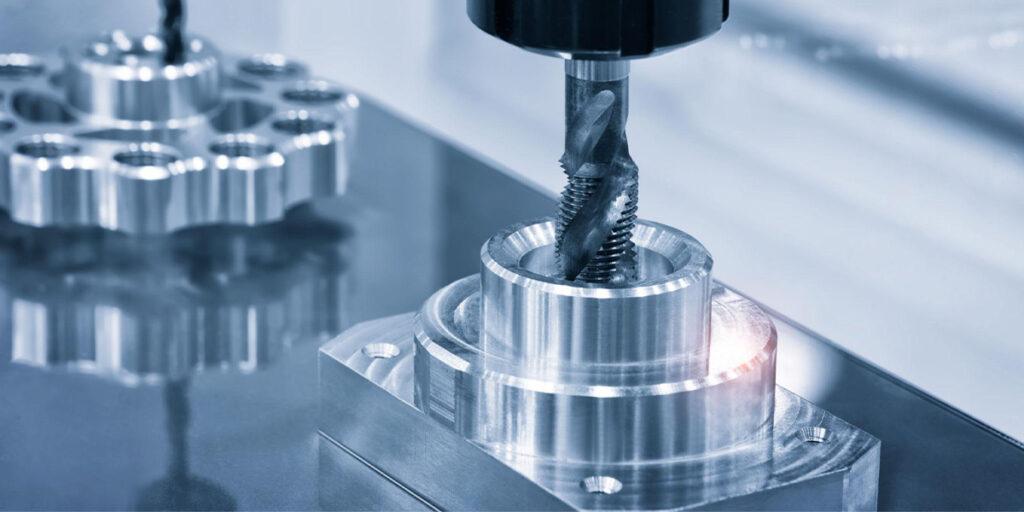
In modern manufacturing, the difference between profit and loss often comes down to material utilization. High-value materials like silicon carbide, sapphire, and advanced ceramics can cost hundreds or even thousands of dollars per workpiece. Conventional cutting methods—such as laser or band sawing—typically generate wide kerfs, heat damage, and micro-cracks, turning expensive raw stock into scrap.
Precision cutting directly addresses these pain points:
- Tight Tolerances – Achieves positional accuracy within ±0.01 mm, making it suitable for components where fit and function cannot tolerate deviation.
- Minimal Material Loss – Narrow kerf widths (0.2–0.5 mm) reduce waste, which is critical when processing expensive materials like silicon carbide or sapphire.
- Excellent Surface Quality – Produces finishes as low as Ra ≤ 0.2 μm, often eliminating the need for secondary polishing or grinding.
- No Thermal Damage – Generates little to no heat, avoiding micro-cracks, recast layers, or metallurgical changes that compromise part integrity.
- Consistent Results – CNC-controlled processes deliver repeatable outcomes across production runs, reducing variability and scrap.
The practical outcome is straightforward: cleaner cuts mean less finishing work. Many precision-cut parts require minimal post-processing or polishing, reducing downstream labor and tooling costs. When consistency improves and waste decreases, manufacturers gain tighter control over both production costs and final product quality.
However, precision cutting also has its limitations:
- Higher Equipment Cost – Precision cutting machines typically require a larger upfront investment compared to conventional saws or manual equipment.
- Slower Material Removal – The process prioritizes accuracy over speed, which may not suit applications where throughput is the primary concern.
- Material Restrictions – Some precision cutting methods, such as diamond wire cutting, work best on hard, brittle, or conductive materials, while others like EDM require electrical conductivity.
- Consumable Wear – Cutting tools (diamond wire, blades, or electrodes) degrade over time and must be replaced, adding ongoing operational costs.
- Setup Complexity – Achieving micron-level accuracy demands careful fixturing, calibration, and operator skill, which can extend changeover time between jobs.
Common Precision Cutting Methods
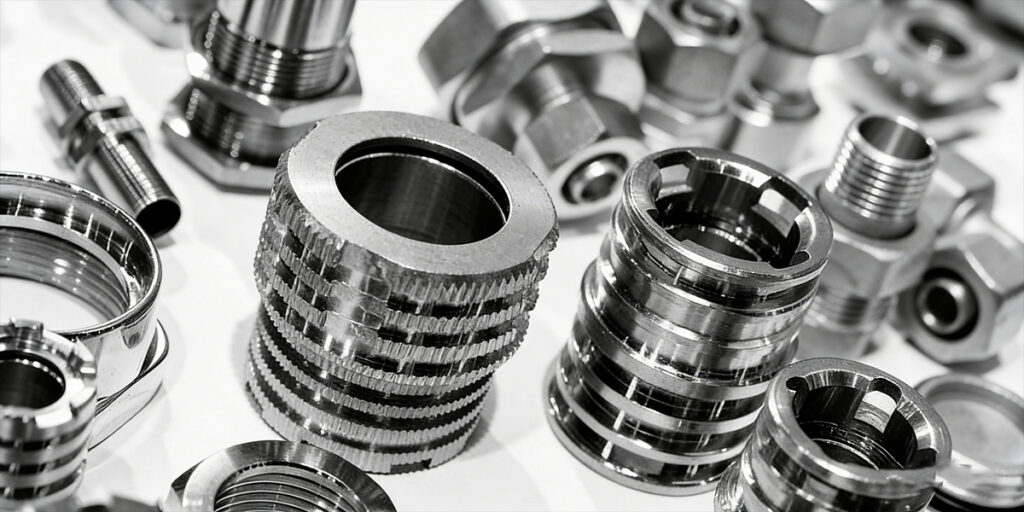
Different precision cutting methods exist because no single technology handles every material, thickness, or production requirement well. The right choice depends on what you are cutting, how accurate the cut needs to be, and what level of heat or mechanical stress the workpiece can tolerate. Below are four widely used approaches.
Laser Cutting
Laser cutting uses a focused high-power beam to melt, burn, or vaporize material along a programmed path. A gas jet often blows away molten residue to create a clean edge.
Advantages – Fast cutting speeds, non-contact process, narrow kerf width, and excellent automation capability. Ideal for high-volume production runs.
Disadvantages – Generates a heat-affected zone (HAZ) that can alter material properties, cause micro-cracking, or leave a recast layer on the edge. Less effective on highly reflective or thick materials.
Typical Materials – Steel, stainless steel, aluminum, brass, and some plastics.
Waterjet Cutting
Waterjet cutting combines high-pressure water—often mixed with abrasive garnet—to erode material. Because there is no heat involved, the workpiece remains unaffected by thermal stress.
Advantages – True cold cutting process with no heat-affected zone. Can cut thick materials and maintains material integrity. Does not require electrical conductivity.
Disadvantages – Slower than laser on thin materials. Precision is generally limited to approximately ±0.05–0.1 mm. Abrasive consumption adds operational cost, and edge quality can show minor striations.
Typical Materials – Metals, stone, composites, thick plastics, and rubber.
Diamond Wire Cutting
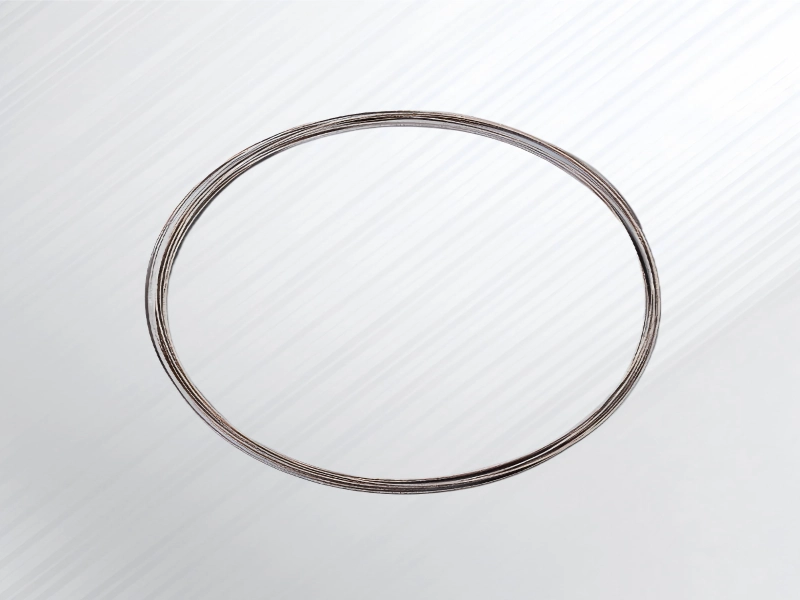
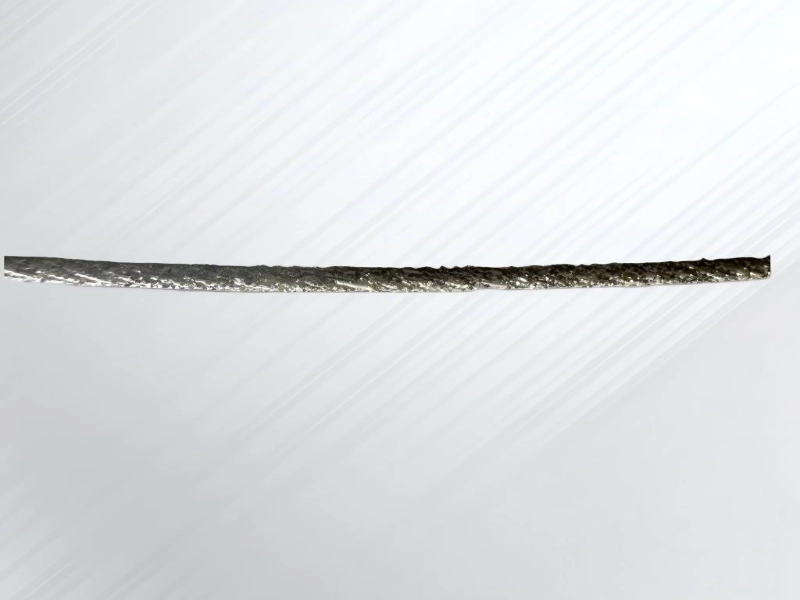
Diamond wire cutting employs a thin steel wire embedded with diamond particles that moves in a reciprocating or continuous loop. The diamonds abrade the workpiece gradually, generating minimal mechanical stress and virtually no heat.
Advantages – True cold cutting with no thermal damage. Achieves tight tolerances (±0.01 mm) and surface finishes as low as Ra ≤ 0.2 μm. Kerf width is extremely narrow (0.2–0.5 mm), significantly reducing material waste—a critical factor when processing high-cost materials. The process maintains structural integrity without introducing micro-cracks.
Disadvantages – Cutting speed is generally slower than laser or abrasive sawing. The diamond wire is a consumable that requires periodic replacement.
Typical Materials – Hard, brittle materials such as silicon carbide (SiC), sapphire, technical ceramics, and glass. Also effective on metals including stainless steel and alloys where thermal damage must be avoided.
CNC Machining (Milling & Routing)
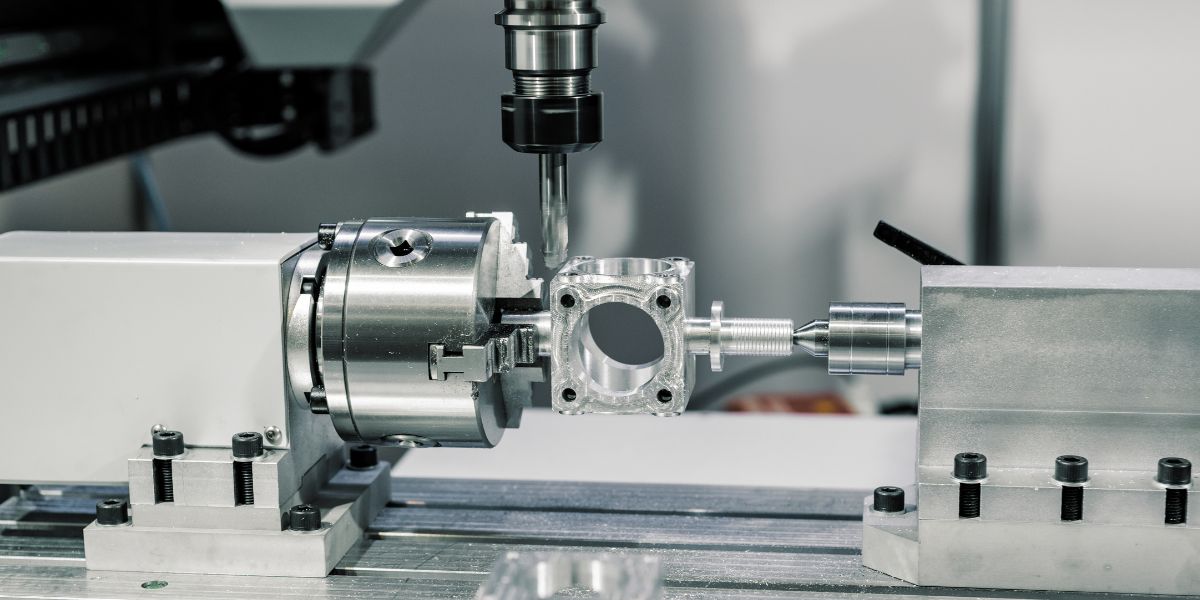
CNC machining removes material through rotating cutting tools that physically shear away chips. Modern CNC equipment can achieve high precision across complex geometries.
Advantages – Extremely versatile for complex shapes, pockets, and 3D contours. High precision and repeatability with proper tooling. Works with a wide range of materials.
Disadvantages – Generates mechanical stress and heat at the cutting interface, which can cause edge chipping or micro-cracks in brittle materials. Tool wear is significant, and fixturing becomes more challenging with thin or delicate workpieces.
Typical Materials – Metals, plastics, composites, and wood. Hard, brittle materials require specialized tooling and careful process control.
Precision Cutting Methods Compared
Choosing the right cutting method comes down to balancing precision, material waste, heat impact, and what you are actually cutting. No single method does everything well. The table below compares the most common precision cutting technologies side by side.
| Method | Precision (Typical Tolerance) | Material Loss (Kerf Width) | Heat Impact | Best For |
| Diamond Wire Cutting | ±0.01 – 0.05 mm | Very narrow (0.2 – 0.5 mm) | None (cold cutting) | Hard, brittle materials (SiC, sapphire, ceramics); heat-sensitive components; high-value materials where waste reduction matters |
| Laser Cutting | ±0.05 – 0.1 mm | Narrow (0.1 – 0.3 mm) | Significant (heat-affected zone, recast layer) | Thin to medium metals; high-speed production; complex profiles where thermal distortion is acceptable |
| Waterjet Cutting | ±0.05 – 0.13 mm | Moderate (0.8 – 1.5 mm) | None (cold cutting) | Thick materials; composites; materials sensitive to heat; applications where moderate precision is sufficient |
| EDM (Wire EDM) | ±0.002 – 0.01 mm | Very narrow (wire diameter) | Minimal (localized heat, but no mechanical stress) | Conductive materials; hardened steels; intricate shapes; applications requiring the highest precision |
| CNC Machining (Milling/Routing) | ±0.01 – 0.05 mm | Wide (tool diameter dependent) | Moderate to significant (mechanical friction, tool contact) | Complex 3D geometries; metals and plastics; applications requiring versatility over minimal waste |
| Band Sawing | ±0.5 – 2 mm | Wide (1.5 – 3 mm) | Moderate (friction-generated heat) | Rough cutting; large stock removal; applications where precision is not the primary requirement |
Applications of Precision Cutting
Different materials present unique cutting challenges. The table below explains why each material is difficult to cut and why precision cutting is necessary.
Ceramic Cutting
Why It’s Difficult – Technical ceramics are extremely hard and brittle. Conventional machining often causes edge chipping, cracking, or even complete fracture. Their high hardness also leads to rapid tool wear with traditional cutting methods.
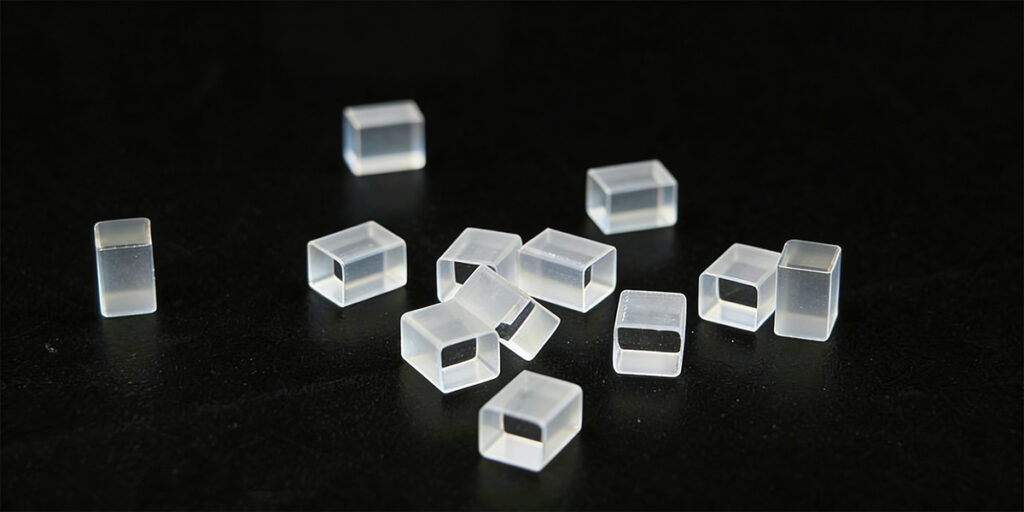
Why Precision Cutting Is Required – Precision cutting delivers clean, chip-free edges without introducing internal stress. Diamond wire cutting is particularly effective because the abrasive action gently removes material without mechanical shock. This is critical for ceramic components used in electronics, medical devices, and aerospace applications where even minor edge damage can lead to failure under load.
Semiconductor (Silicon Wafer)
Why It’s Difficult – Silicon wafers and silicon carbide (SiC) substrates are not only hard and brittle but also extremely expensive—often hundreds or thousands of dollars per wafer. Any micro-crack or thermal damage during cutting can render the entire wafer unusable, directly impacting production yields.
Why Precision Cutting Is Required – Precision cutting minimizes material loss through narrow kerf widths and eliminates thermal damage through cold cutting processes. This preserves wafer integrity and maximizes the number of usable dies per wafer. For semiconductor manufacturers, even a 1–2% improvement in yield translates to significant cost savings. Diamond wire cutting has become the standard for processing these high-value materials.
Composite Materials
Why It’s Difficult – Composite materials, such as carbon fiber reinforced polymers (CFRP) and fiberglass, consist of layered structures with different material properties. Traditional cutting methods often cause delamination, fiber pullout, fraying, or heat damage that compromises structural strength.
Why Precision Cutting Is Required – Precision cutting maintains clean, smooth edges without separating layers or generating excessive heat. This preserves the structural integrity and appearance of composite parts used in aerospace, automotive, and sporting goods. Cold cutting processes are especially valuable here because heat can weaken the resin matrix that binds the fibers together.
Precision Cutting Across Industries
Beyond these specific materials, precision cutting serves critical roles across manufacturing sectors:
- Semiconductor Manufacturing – Silicon wafer slicing, SiC ingot cutting, and die separation (low damage, high yield)
- Photovoltaics – Silicon block squaring and wafer slicing for solar cells
- Optics & Electronics – Sapphire substrates, optical glass, ceramic substrates, and LED component separation
- Aerospace – High-temperature alloys and composite structural components
- Medical & Biomedical – Implants, precision instruments, and surgical tools
- Research & Laboratories – Material sample preparation and prototype development
Each application demands consistent accuracy, minimal waste, and damage-free results. Precision cutting delivers these requirements while enabling manufacturers to work with increasingly challenging materials and tighter specifications.
Challenges in Precision Cutting
Achieving a perfect cut looks effortless on a high-end CNC machine, but any operator knows that maintaining that level of precision across a full production shift is a constant battle. Precision cutting isn’t just about the machine’s capabilities; it is about managing a variety of external variables that can compromise the final result.
One of the most persistent issues is thermal displacement. High-speed cutting generates significant heat. If not managed with the right cooling strategy, this heat causes the cutting tool or the workpiece itself to expand minutely. In a world where we measure success in microns, even a tiny expansion can lead to dimensional errors that result in costly scrap.
Then, there is the challenge of vibration and tool chatter. Whether you are slicing through tough alloys or delicate sapphire substrates, any lack of rigidity in the setup leads to micro-vibrations. This doesn’t just ruin the surface finish; it significantly accelerates tool wear, forcing frequent stops for tool changes and throwing off your production schedule.
Furthermore, material inconsistency remains a major hurdle. Even within the same grade of steel or industrial ceramic, slight variations in hardness or internal stress can change how the material reacts to the blade or wire. Operators must be skilled enough to “read” these changes and adjust feed speeds or tension in real-time.
Lastly, as parts become more complex and tolerances tighter, the limitations of traditional measurement become apparent. It is one thing to cut a high-precision part; it is another to accurately verify that precision without slowing down the entire workflow. Balancing speed with extreme accuracy is the ultimate “tightrope walk” for modern manufacturers.
Key Metrics for Evaluating Precision Cutting Quality
When assessing the effectiveness of precision cutting, several technical metrics are essential for ensuring high-quality results and consistent performance. Understanding these indicators helps manufacturers select the right cutting method and optimize processes.
- Kerf Width
Kerf width refers to the amount of material removed by the cutting tool. Narrower kerf means less waste—a critical factor when processing expensive materials like silicon carbide or sapphire. Precision cutting methods typically achieve kerf widths of 0.2–0.5 mm, compared to 1–3 mm for conventional sawing. - Surface Roughness (Ra / Rz)
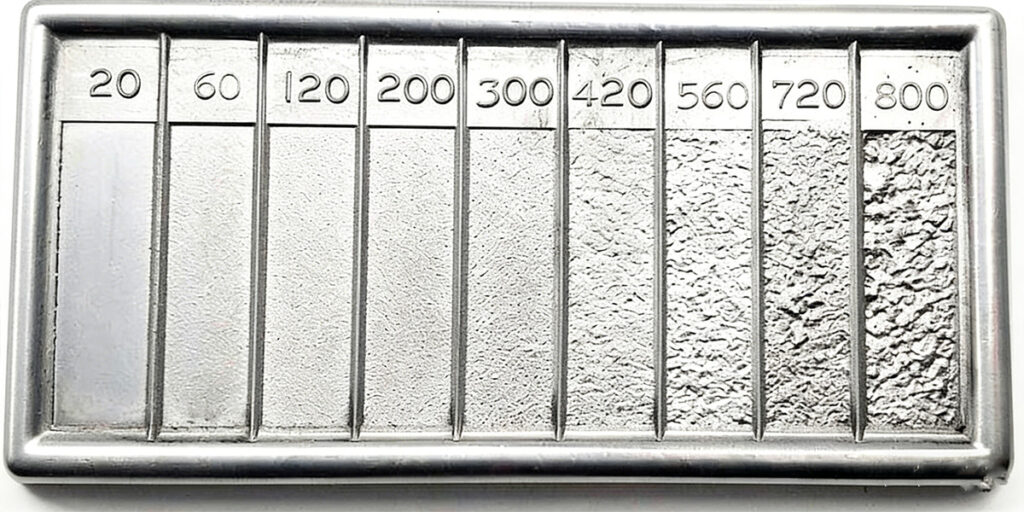
Surface roughness measures the microscopic texture of the cut surface. Ra (average roughness) and Rz (peak-to-valley height) quantify how smooth or irregular the surface is. Lower values indicate better surface quality. Precision cutting can achieve Ra ≤ 0.2 μm, often eliminating the need for subsequent grinding or polishing. - Total Thickness Variation (TTV)
TTV measures the difference between the thickest and thinnest points across a workpiece. In applications like semiconductor wafer production, high TTV creates uneven surfaces that complicate downstream processing. Precision cutting maintains consistent thickness across the entire part, ensuring uniformity. - Edge Integrity
Edge integrity refers to the absence of chipping, micro-cracks, or thermal damage along the cut line. Even microscopic defects can cause parts to fail under load or during subsequent processing. Cold cutting methods preserve edge integrity by eliminating heat and minimizing mechanical stress.
Other considerations include micro-crack formation, and thermal effects, which can all influence the final product quality. Advanced precision cutting methods, such as diamond wire cutting, offer significant advantages by controlling these metrics—producing narrow kerfs, smooth surfaces, and minimal thickness variation, while avoiding thermal damage.
By monitoring and optimizing these key parameters, manufacturers can improve material yield, reduce post-processing costs, and ensure high reliability in critical applications, making precision cutting an indispensable tool in modern manufacturing.
How to Choose the Right Precision Cutting Machine
Material
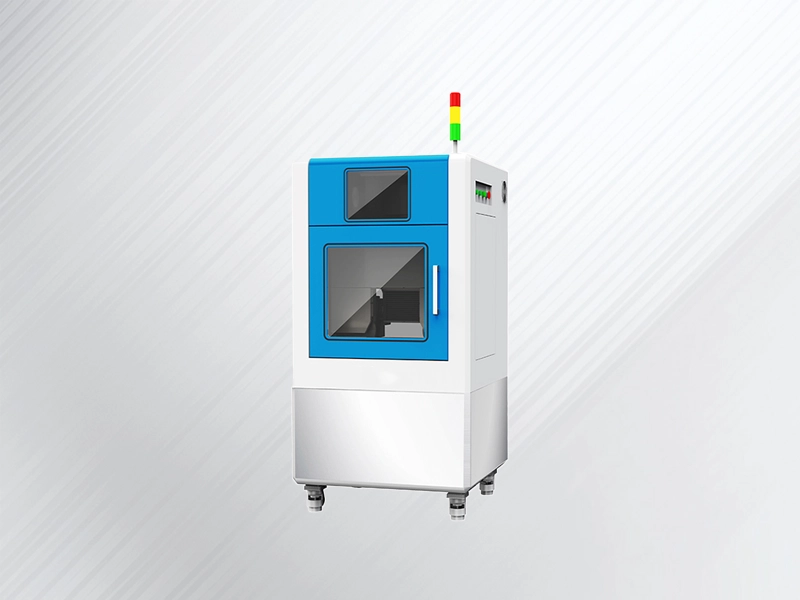
The type of material you plan to cut is the first consideration. Hard and brittle materials like glass, ceramics, silicon wafers, and sapphire require cutting methods that minimize chipping, micro-cracks, and thermal damage. Metals and composite materials may allow for faster cutting processes but still demand controlled tolerances. Choosing a machine compatible with the material ensures both cutting accuracy and surface integrity. For lab-scale or small-sample work, a Lab Wire Saw is ideal, while industrial or large workpieces benefit from an Industrial Machine or Multi Wire Saw.
Precision
Determine the required tolerance, surface finish, and total thickness variation (TTV). Applications in semiconductors, optics, and advanced ceramics often require micron-level precision. Machines like Lab Wire Saws can achieve extremely tight tolerances for prototypes or research, whereas Industrial Machines and Multi Wire Saws are designed for consistent high-precision cutting in large-scale production.
Production Volume
Evaluate the scale of your operation. Single-piece prototypes or laboratory samples may only need a Lab Wire Saw, which offers flexibility and precise control. For batch production or larger parts (up to 900 mm or more), Industrial Machines and Multi Wire Saws provide higher throughput while maintaining quality. Multi-wire systems can simultaneously cut multiple slices, greatly improving efficiency for high-volume operations.
Budget
Budget is always a key factor. Entry-level lab machines are cost-effective for low-volume, high-precision applications. Industrial-grade systems and multi-wire setups require higher upfront investment but deliver better productivity, lower material loss, and reduced post-processing costs. Consider the total cost of ownership, including maintenance, consumables, and potential material savings.
Additional Considerations
- Workpiece Size: Small lab samples vs. large industrial blocks
- Customization Needs: Special fixtures, unique cutting angles, or custom solutions
- Support & Service: Access to technical support and maintenance options
By carefully analyzing these four dimensions, manufacturers can choose the precision cutting machine that best fits their material type, accuracy requirements, production scale, and budget—whether it’s a Lab Wire Saw, Industrial Machine, or Multi Wire Saw—while ensuring consistent, high-quality results. For specialized requirements, explore customized solutions or check our product FAQ for detailed guidance.
Advantages of Diamond Wire Cutting
Diamond wire cutting offers several unique advantages that make it the preferred choice for high-precision manufacturing, especially when working with brittle or high-value materials.
- Ultra-thin Kerf: The narrow cutting width minimizes material loss, which is particularly important for expensive substrates like silicon, sapphire, or advanced ceramics. Less waste means significant cost savings over large-scale production.
- No Thermal Damage: Diamond wire cutting is a cold process. Material is removed by diamond abrasives grinding, not by heat, preventing micro-cracks, warping, or surface hardening.
- High Precision: This method delivers exceptional accuracy, with positioning tolerances as tight as ±0.01 mm and surface roughness of Ra ≤ 0.2 μm, ensuring components meet stringent specifications.
- Ideal for Brittle Materials: Materials such as glass, ceramics, and silicon wafers are prone to cracking under conventional cutting methods. Diamond wire cutting handles them gently, preserving structural integrity and surface quality.
- Multi-Material Versatility: Beyond brittle materials, it can cut metals like stainless steel and composite materials, providing a flexible solution for diverse industrial applications.
Overall, diamond wire cutting combines precision, efficiency, and material savings, making it an indispensable tool for modern manufacturing where quality and cost-effectiveness are critical.
Precision cutting is essential for modern manufacturing, delivering higher accuracy, better surface quality, and reduced material waste. Choosing a reliable equipment supplier—with strong technical expertise, proven quality, and responsive support—makes a real difference in long-term performance.
Contact our team for a custom solution
FAQ
While “precision” depends on the material, Diamond Wire Sawing and Laser Cutting are the industry leaders. Diamond wire is often superior for thick, ultra-hard, or brittle materials because it generates minimal heat and maintains a consistent kerf. For thin metals or complex 2D shapes, high-end fiber lasers offer exceptional speed and micron-level accuracy.
Cutting brittle materials like glass, sapphire, or ceramics requires low-stress techniques. Using a diamond wire saw with a controlled tension system is highly effective because it uses a “grinding” rather than a “shearing” action. Proper coolant flow is also critical to wash away debris and prevent thermal shock, which is the leading cause of micro-fractures.
Regular maintenance includes checking tool wear, ensuring proper alignment, monitoring cutting parameters, and maintaining cooling or lubrication systems. Preventive maintenance helps maintain accuracy, reduce downtime, and extend machine life, ensuring consistent performance in high-precision applications.
Precision cutting typically involves higher upfront equipment costs, but it delivers strong long-term ROI. Reduced material waste, less post-processing, and higher product yield can significantly lower overall production costs. For high-value or hard-to-machine materials, the efficiency and consistency gained often outweigh the initial investment.