Aluminium fabrication refers to the process of transforming raw aluminium materials or profiles into finished products through a series of machining and assembly steps. A typical aluminium fabrication process includes cutting, drilling, milling, and joining, depending on the final application. Because aluminium is lightweight, corrosion-resistant, and easy to machine, it is widely used in industries such as construction, window and door manufacturing, transportation, and industrial equipment.
In practical terms, aluminium fabrication is not a single operation but a complete workflow. For example, aluminium profiles are first cut to size, then processed through machining operations to create holes, slots, or connection features, and finally assembled into frames or structures. This makes aluminium fabrication essential for producing high-quality components with precise dimensions and consistent performance.
Understanding aluminium fabrication helps businesses choose the right processes and equipment, improve production efficiency, and control costs. Whether you are a manufacturer, engineer, or buyer, having a clear view of the aluminium fabrication process is the first step toward building reliable and scalable production.
Advantages of Aluminium Fabrication
Aluminium has become one of the most widely used metals in manufacturing for good reason. Its unique combination of properties makes it a practical choice across industries, from construction and automotive to consumer goods and industrial equipment.
Lightweight Yet Strong
Aluminium offers an excellent strength-to-weight ratio. At roughly one-third the density of steel, it allows for structures and components that are easy to handle, transport, and install. This weight advantage translates to lower shipping costs, simpler on-site assembly, and reduced structural support requirements.
Exceptional Corrosion Resistance
When exposed to air, aluminium naturally forms a protective oxide layer that prevents further oxidation. This inherent corrosion resistance makes it ideal for outdoor applications, marine environments, and architectural elements like windows, doors, and facades. Unlike steel, it does not require painting or coating for basic protection, though finishing options remain available for added durability or aesthetics.
Excellent Workability
Aluminium is highly formable and machinable. It can be easily cut, bent, welded, and extruded into complex shapes without sacrificing structural integrity. This versatility allows fabricators to produce intricate profiles—such as window frames, heat sinks, and structural sections—with tight tolerances and clean finishes.
Fully Recyclable
Sustainability is a growing priority, and aluminium delivers. It is 100% recyclable with no loss of properties, and recycling requires only about 5% of the energy needed to produce primary aluminium. This makes it an environmentally responsible choice that aligns with green building standards and circular economy principles.
Whether you prioritise durability, ease of fabrication, or environmental impact, aluminium offers a balanced combination of advantages that few other materials can match.
Aluminium Fabrication Process
Aluminium fabrication is the art and science of transforming raw aluminium material—typically sheets, plates, extrusions, or castings—into finished components or structures. Unlike working with steel, aluminium requires a unique approach due to its specific properties: it is lightweight, highly conductive, and has a softer surface that can be easily marred if not handled correctly. Understanding the distinct stages of the fabrication process is essential for achieving precision, structural integrity, and a high-quality finish.
The process generally follows a linear workflow, though it often involves looping back for fitting and adjustments depending on the complexity of the project. Here is a breakdown of the core stages.
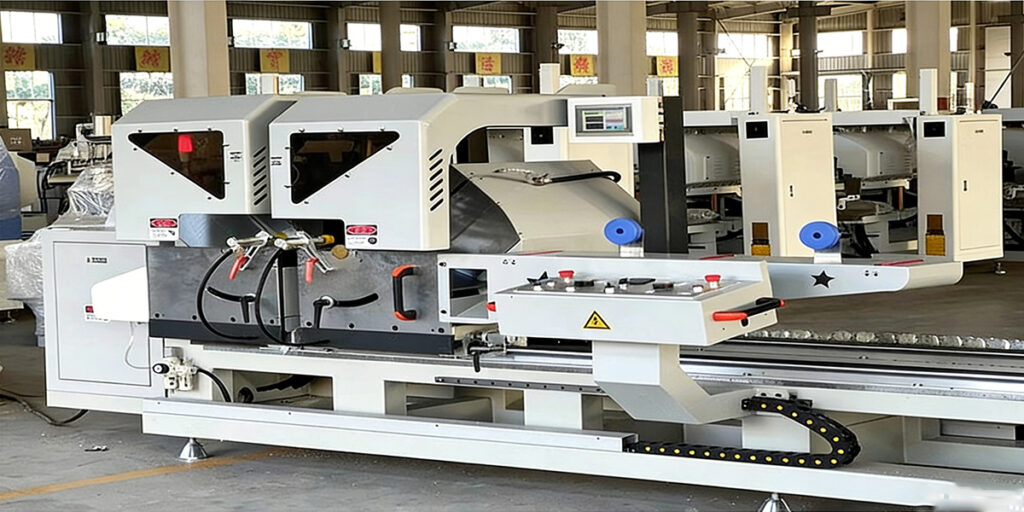
1. Cutting and Sawing
The first step in any fabrication project is breaking down raw stock into manageable sizes. Because aluminium is softer than steel, cutting methods must balance speed with the prevention of material “galling” (where material sticks to the cutting tool).
- Sawing: For extrusions and bars, precision cold saws or miter saws fitted with carbide-tipped blades are the standard. These provide clean, burr-free cuts essential for tight-tolerance assemblies.
- Laser Cutting: For sheet metal, fiber lasers are highly effective. They offer high speed and precision, leaving a clean edge that often requires no secondary finishing.
- Waterjet Cutting: When heat distortion is a concern—such as in thin sheets or near finished surfaces—abrasive waterjet cutting is preferred. It cuts with high pressure and garnet, generating no heat-affected zone (HAZ), which preserves the material’s temper.
2. Forming and Bending
Once cut, the aluminium must be shaped. Aluminium has excellent ductility, but it is prone to “springback” (trying to return to its original shape) and cracking if bent against the grain.
- Press Brake Forming: This is the most common method for sheet and plate. Operators use CNC press brakes with tooling specifically designed for aluminium to create precise V-bends, U-bends, and offsets.
- Roll Bending: For curved components like cylindrical tanks or architectural arches, three-roll bending machines are used to gradually curve the material without kinking.
- Stamping: For high-volume production, stamping presses use dies to punch, emboss, or cut aluminium parts rapidly. This is cost-effective for large orders but requires significant upfront tooling investment.
3. Machining
Machining is often required to add holes, threads, pockets, or complex geometries that forming cannot achieve.
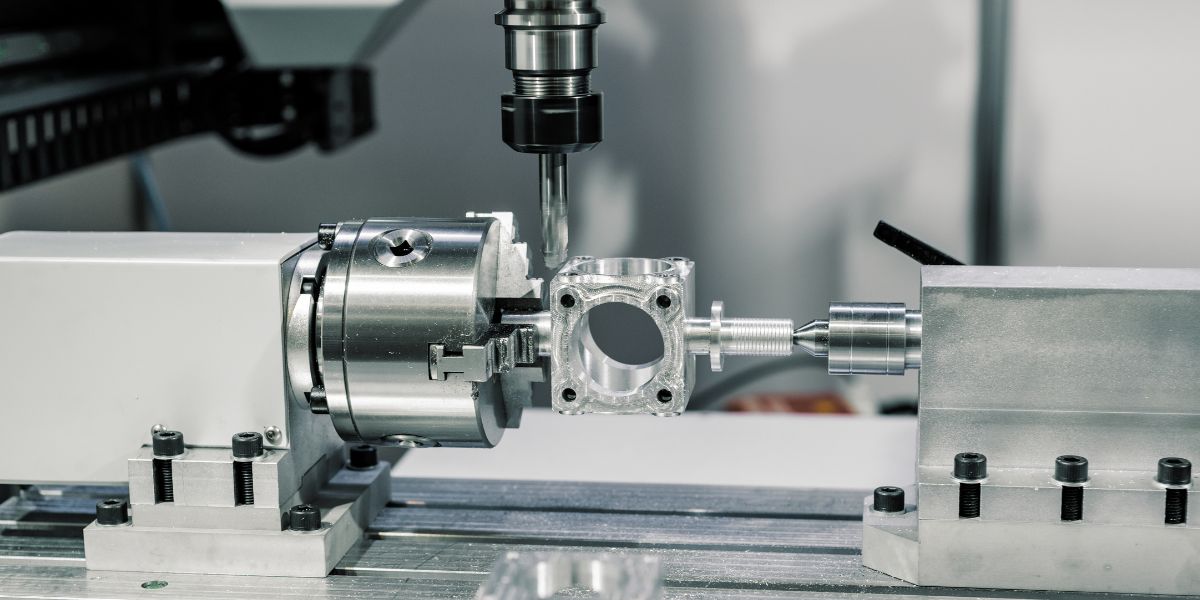
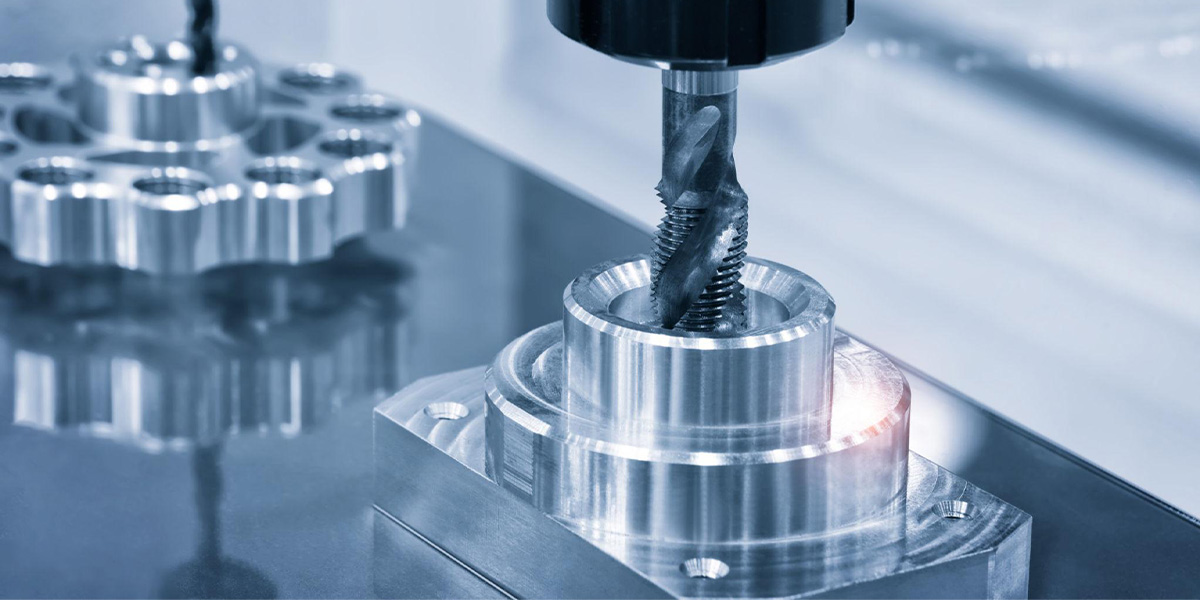
- CNC Milling and Routing: Aluminium is one of the most machinable metals. CNC routers (often used for larger sheets) and milling machines (for smaller, complex parts) can remove material at high speeds. The key to successful machining is maintaining proper chip load and using lubricants to prevent the chips from welding to the cutter.
- CNC Turning: For cylindrical parts like spindles, rollers, or bushings, lathes spin the aluminium while a stationary cutting tool shapes the exterior and interior diameters.
4. Welding and Joining
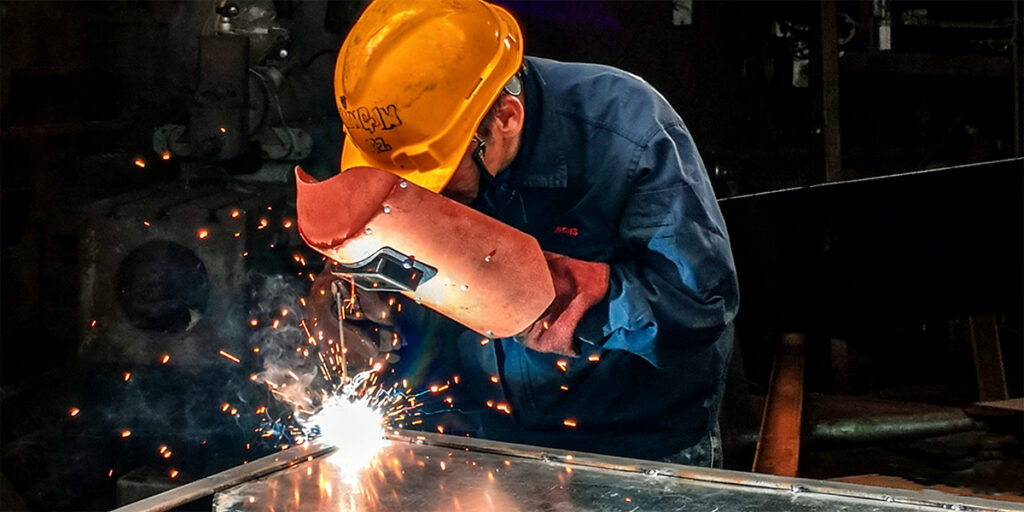
Joining aluminium is often considered the most skill-intensive part of fabrication. Unlike steel, aluminium forms a tough oxide layer (aluminum oxide) that melts at a much higher temperature than the base metal. This oxide must be cleaned off immediately before welding.
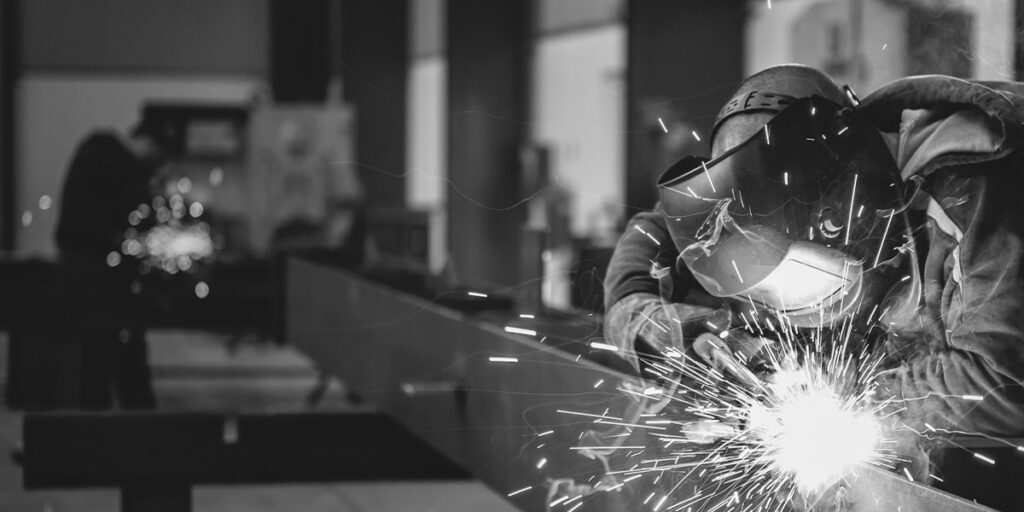
- TIG Welding (GTAW): This is the gold standard for precision and aesthetics. It allows the welder to control the heat input with a foot pedal, making it ideal for thin-walled extrusions and visible architectural joints.
- MIG Welding (GMAW): For thicker plates and structural components, MIG welding is faster. Modern pulsed MIG welders help control heat input, reducing distortion and spatter.
- Mechanical Fastening: In applications where heat distortion must be avoided or disassembly is required, mechanical fastening is used. This includes stainless steel rivets, self-tapping screws, and threaded inserts (Rivnuts) that allow bolts to be used with thin-walled tubing.
5. Surface Finishing
Raw aluminium is reactive. Without a protective layer, it will oxidize naturally, but this natural oxidation is often uneven and dull. Finishing serves two purposes: corrosion resistance and aesthetics.
- Mechanical Finishing: This includes sanding, brushing, and polishing to remove scratches or create a uniform grain pattern (such as a #4 brushed finish).
- Anodizing: This is an electrochemical process that thickens the natural oxide layer. Anodizing is durable, does not chip or peel, and allows for colored finishes (clear, bronze, black). It is the preferred finish for architectural and consumer goods.
- Powder Coating: For color variety and high durability, powder coating is applied electrostatically and cured in an oven. It provides a thick, impact-resistant layer that is excellent for outdoor furniture and industrial equipment.
6. Quality Control and Assembly
The final stage involves fitting components together and verifying tolerances. Because aluminium expands and contracts with temperature more than steel, fabricators must account for thermal movement in large assemblies. Quality control typically involves checking weld integrity (often via non-destructive testing), verifying hole alignment with jigs, and ensuring that all mechanical fasteners are torqued correctly to prevent galvanic corrosion when dissimilar metals are used.
By mastering these processes, manufacturers can leverage aluminium’s unique properties—strength, lightness, and corrosion resistance—to create products that range from heavy-duty industrial machinery to intricate architectural facades.
Aluminium Fabrication Equipment
Choosing the right equipment is just as critical as selecting the right alloy. Aluminium’s unique characteristics—high thermal conductivity, softness, and a tendency to gall—demand machinery that is either purpose-built or carefully configured for the material. Below is an overview of the essential equipment categories used in a typical aluminium fabrication shop, from cutting and forming to joining and finishing.
Key Equipment at a Glance
| Equipment Category | Common Types | Key Features for Aluminium | Typical Applications |
| Cutting | Cold saws, fibre lasers, abrasive waterjets | High RPM, carbide or diamond tooling; waterjets avoid heat-affected zone (HAZ) | Cutting sheet, plate, extrusions to size; intricate profiles |
| Forming & Bending | CNC press brakes, roll benders, stamping presses | Precision tooling with polished surfaces to prevent galling; programmable backgauges | Bending panels, creating curved sections, high-volume stamped parts |
| Machining | CNC routers, vertical machining centres (VMCs), lathes | High spindle speeds (8,000–24,000 RPM), through-spindle coolant, chip evacuation systems | Drilling, milling, threading, complex 3D contours |
| Welding & Joining | TIG welders, pulsed MIG welders, riveting systems | AC balance for TIG to break oxide layer; pulse control for MIG to reduce heat input | Structural seams, cosmetic welds, mechanical fastening for assemblies |
| Surface Finishing | Linishing/belt sanders, anodising lines, powder coating booths | Variable speed sanders, chemical etching tanks, electrostatic spray guns | Grain finishing, corrosion protection, colour coating |
Detailed Considerations
- Cutting Equipment
For extrusions and bar stock, automatic cold saws with carbide-tipped blades deliver clean, square cuts with minimal burrs. When working with sheet metal, fibre laser cutters are the industry standard for speed and edge quality. Where heat input must be avoided—such as on finished architectural panels—abrasive waterjet cutters are preferred because they cut with garnet and high pressure, leaving the material’s temper unchanged. - Forming Equipment
CNC press brakes dominate sheet and plate bending. Tooling for aluminium must be free of nicks and often coated (e.g., with titanium nitride) to prevent material pickup. For cylindrical components like tanks or curved handrails, 3-roll plate bending machines gradually shape the material without kinking. - Machining Centres
Aluminium is ideal for high-speed machining. CNC routers with vacuum tables are common for large sheet goods, while vertical machining centres offer higher rigidity for precision parts. Effective coolant delivery is essential to clear chips and prevent recutting, which can cause surface blemishes. - Welding Equipment
AC TIG welders are the go-to for thin sections and cosmetic welds because they provide precise heat control and naturally clean the oxide layer. For longer seams and thicker materials, pulsed MIG (GMAW-P) machines allow higher deposition rates with less distortion, making them popular in structural and heavy-fabrication settings. - Finishing Equipment
Mechanical finishing relies on belt sanders and orbital sanders with progressively finer grits to achieve a consistent grain. For anodising, shops use electrolytic tanks with strict temperature and chemical controls. Powder coating systems include spray booths, electrostatic guns, and curing ovens to apply durable, weather-resistant finishes.
Selecting equipment that matches the scale, complexity, and tolerance requirements of your projects ensures consistent results and efficient workflow—whether you are producing one-off prototypes or running high-volume production runs.
Applications of Aluminium Fabrication
Aluminium fabrication touches nearly every part of modern life. From the buildings we live and work in to the vehicles we drive and the machinery that powers industry, fabricated aluminium components are everywhere. Below are some of the most common applications.
Windows and Doors
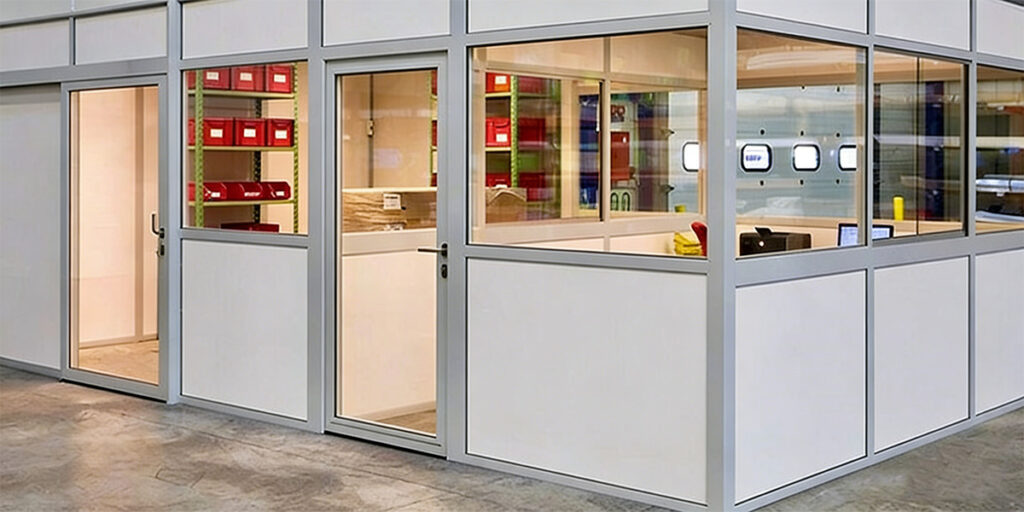
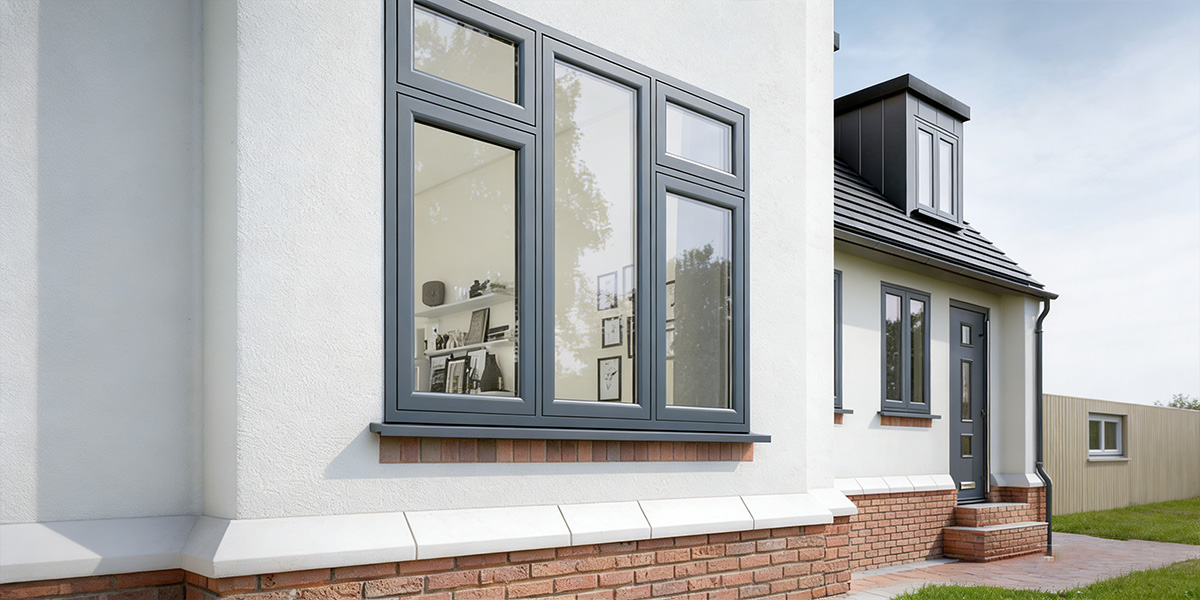
This is one of the largest and most familiar applications of aluminium fabrication. Window frames, door frames, sliding doors, and patio doors are all produced through cutting, machining, and assembly processes. Aluminium is prized for its strength, slim profile possibilities, and resistance to corrosion. Whether it is standard residential windows or high-end commercial systems, fabrication equipment turns raw profiles into finished, ready-to-install products.
Curtain Walls
Curtain walls are non-structural outer coverings used in commercial buildings. They consist of aluminium frames that hold glass panels. Fabrication for curtain walls requires high precision because these structures span multiple floors and must align perfectly. CNC machining centers are often used to drill and mill the complex connection points, while cutting saws handle the long profile lengths.
Industrial Structures
Aluminium is widely used in industrial settings. Fabricated profiles become machine frames, workstations, conveyor systems, safety guards, and shelving units. The lightweight nature of aluminium makes these structures easy to move and reconfigure, while its strength ensures durability. Fabrication processes for industrial applications often include cutting, milling, and welding.
Automotive and Aerospace
In the automotive industry, aluminium fabrication supports lightweight vehicle construction. Components such as crash management systems, battery enclosures for electric vehicles, and structural parts are fabricated from aluminium profiles. Aerospace applications demand even higher precision, with fabricated parts used in aircraft interiors, seat frames, and structural elements. CNC machining plays a central role in meeting the tight tolerances these industries require.
Solar and Renewable Energy
Solar panel frames and mounting structures are often made from fabricated aluminium. The material’s corrosion resistance makes it suitable for outdoor exposure, while its light weight simplifies installation. Fabrication processes for solar applications typically involve cutting, drilling, and corner assembly.
Home and Decorative Applications
Beyond heavy industry, aluminium fabrication appears in home settings. Cabinet frames, room dividers, handrails, and furniture components are increasingly made from aluminium. These applications often combine machining for hardware mounting with clean cutting for a finished appearance.
From structural to decorative, aluminium fabrication supports a wide range of industries. Each application places different demands on the fabrication process, but all rely on accurate cutting, precise machining, and reliable assembly to deliver quality results.
Cost Factors in Aluminium Fabrication
The cost of aluminium fabrication depends on several practical factors. Understanding these can help buyers control budgets and choose the right production approach.
Material Cost
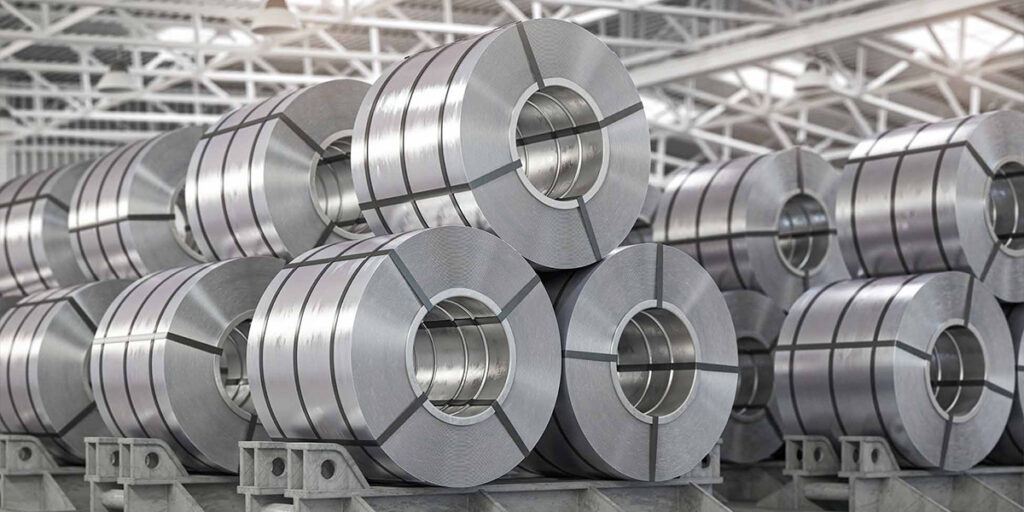
Aluminium itself is a major cost component. Prices vary depending on alloy type, thickness, and market fluctuations. High-grade alloys or customized profiles usually cost more, especially when strict strength or corrosion resistance requirements are involved. Material waste during cutting and machining can also affect overall cost.
Labor Cost
Labor cost depends on the level of manual work and operator skill required. Simple cutting and drilling jobs are relatively low-cost, while complex machining, assembly, or finishing processes require experienced technicians. In regions with higher wages, labor can become a significant part of the total cost, which is why many manufacturers invest in automation.
Equipment Cost
Equipment investment and usage directly impact pricing. Basic machines have lower upfront costs but may reduce efficiency. Advanced CNC machining centers and automated production lines require higher initial investment but improve precision, consistency, and long-term productivity. Maintenance, tooling, and energy consumption should also be considered.
In practice, the final cost is a balance between material selection, labor input, and equipment capability. Optimizing these factors can help achieve better cost performance without compromising quality.
How to Choose the Right Aluminium Fabrication Equipment
Selecting fabrication equipment is not about buying the biggest or most expensive machine—it is about matching the tool to your typical project scope, material types, and production volume. A well-equipped shop balances capability with cost-effectiveness.
1. Define Your Material and Thickness Range
Aluminium comes in many forms: sheet (0.5–6 mm), plate (6 mm and up), extrusions, and castings. If you primarily work with thin sheet metal, a fibre laser cutter and a CNC press brake will cover most needs. For heavy plate or structural sections, you will need a high-torque band saw or waterjet for cutting, and a larger-tonnage press brake (200 tons or more) to handle thicker material. If your work involves extruded profiles—common in windows, doors, and architectural systems—a double-head miter saw and profile machining centre become essential additions.
2. Match Equipment to Production Volume
- Prototyping / job shop: Versatility matters. A CNC router or machining centre that can handle both sheet and bar stock, paired with a TIG welder, offers flexibility without high overhead.
- High-volume production: Invest in automated saws, turret punches, and robotic welding cells. Automation reduces labour cost and ensures repeatability.
3. Prioritise Aluminium-Specific Features
Standard steel equipment often falls short. Look for:
- Cutting: Carbide-tipped blades or fibre lasers with aluminium cutting parameters.
- Forming: Polished or coated press brake tooling to prevent galling (aluminium sticking to the die).
- Machining: High spindle speeds (10,000+ RPM) and through-spindle coolant to evacuate chips effectively.
- Welding: AC capability for TIG or pulse functionality for MIG to control heat input and reduce distortion.
For window and door fabrication, also prioritise non-marring clamping systems to protect finished surfaces on delicate extrusions.
4. Consider Floor Space and Power Requirements
Large equipment like waterjets or anodising lines require significant space and utilities. If floor space is limited, a multifunction machine (e.g., a combination laser-punch) or outsourcing non-core processes may be more practical.
5. Account for Finishing Needs
If your customers demand anodised or powder-coated finishes, decide whether to insource or outsource. Anodising lines require chemical handling permits and strict process control; powder coating needs a spray booth and curing oven.
6. Budget for Tooling and Consumables
The initial machine cost is only part of the equation. Tooling, blades, nozzles, and coolant add ongoing expense. For press brakes, a library of precision-ground tooling often costs as much as the machine itself.
Ultimately, the right equipment is the set of tools that consistently delivers your required quality, fits your workflow, and aligns with your long-term business goals. Start with a clear understanding of the parts you make most often, then build your equipment list around those repeatable processes.
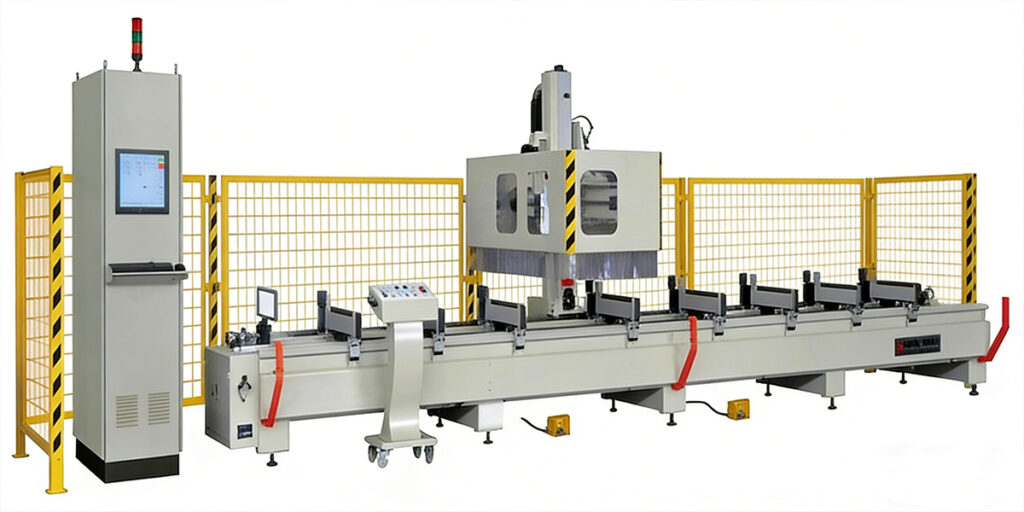
Aluminium fabrication is a precise process that starts with quality equipment. From cutting and machining to assembly, each step affects the final product. Whether you produce windows, curtain walls, or industrial structures, choosing the right machines makes all the difference.
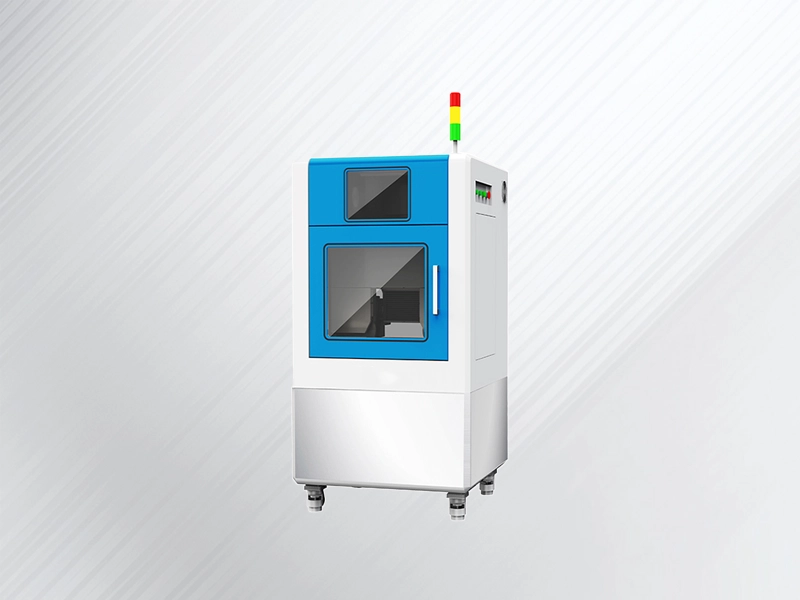
If you are looking for reliable aluminium fabrication equipment, explore our full range of cutting saws, machining centers, milling machines, and corner combining machines. Browse our products or contact us for a customized solution that fits your production needs.
Frequently Asked Questions
Key factors include the precision of cutting, machining, and assembly, the type of equipment used, and the skill of operators. Material quality also plays a role. Using modern, well-maintained machines and following standardized workflows helps maintain consistent tolerances and improves the overall durability and appearance of the final product.
For most industrial and architectural projects, 6061 and 6063 are the industry standards. 6061 offers excellent structural strength and weldability, making it ideal for heavy-duty frames. Meanwhile, 6063 is the go-to choice for aluminum window and door profiles due to its superior surface finish and excellent corrosion resistance, ensuring long-term durability in outdoor environments.
MOQs vary by supplier and die complexity, but they commonly range from 500 to 2,000 kilograms for custom profiles. Some manufacturers offer low-MOQ services for smaller projects by using shared tooling or simplified dies. It is advisable to confirm with your supplier early in the design phase.