Description
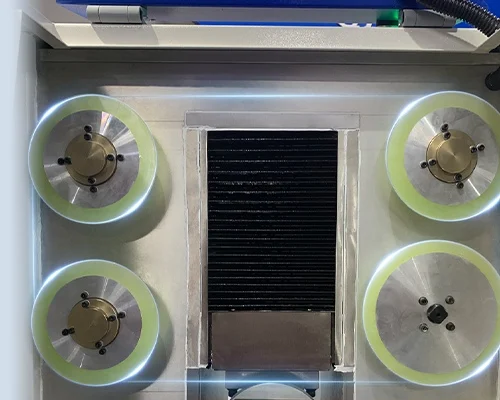
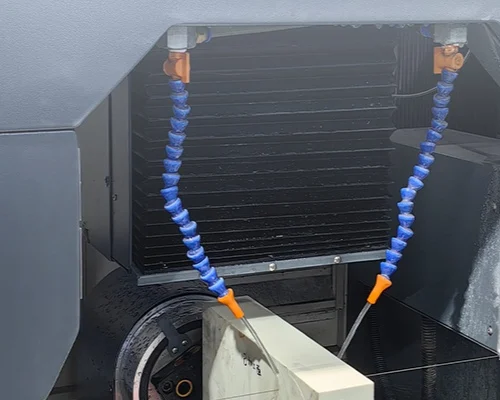
Advantages &Features
Parameter
Product Parameter
| Parameter | Specification |
| Cutting method | Horizontal cutting |
| Maximum cutting size | φ900mm |
| Maximum cutting thickness | 400mm |
| Maximum cutting weight | 400kg |
| Cutting surface roughness | ≤0.1mm |
| Cutting precision | ±0.05mm |
| Tightening method | pneumatic |
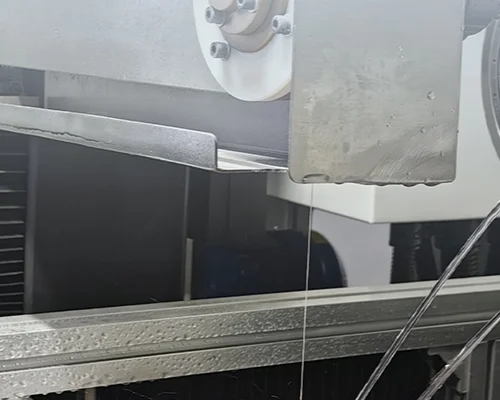
| Diameter of diamond wire | 0.38-0.45mm |
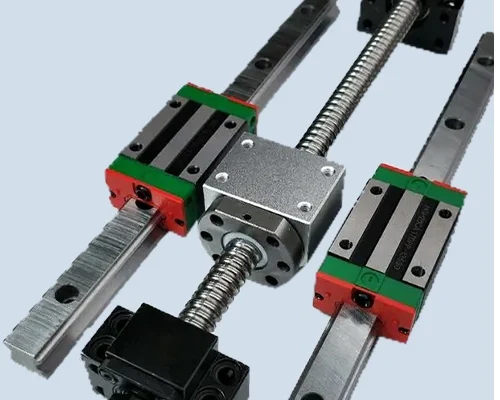
| Lead screw and guide rail | Precision ground lead screw + high precision linear guide |
| Threaded wheel bearing | import |
| driving method | Stepper motor |
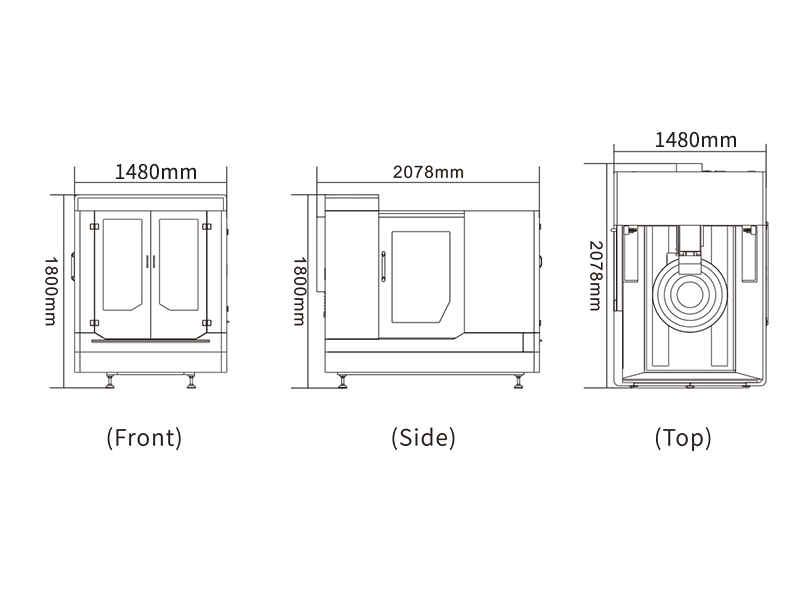
| External dimensions | 2078*1480*1800mm |
| Total weight of machine | ≈1300kg |
| Total power | 2KW |
| Rated voltage | AC220V 50-60HZ |
| Power failure protection | have |
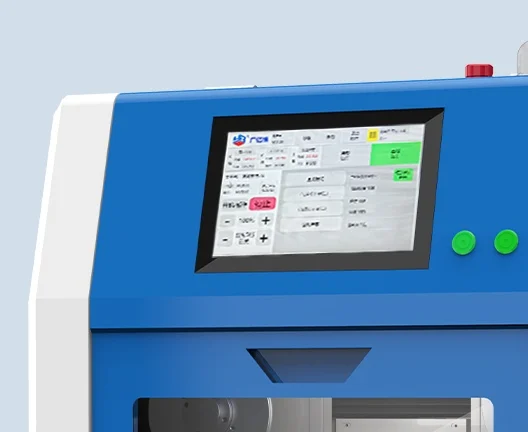
| control system | EBO X80-Controller |
Application

FAQ
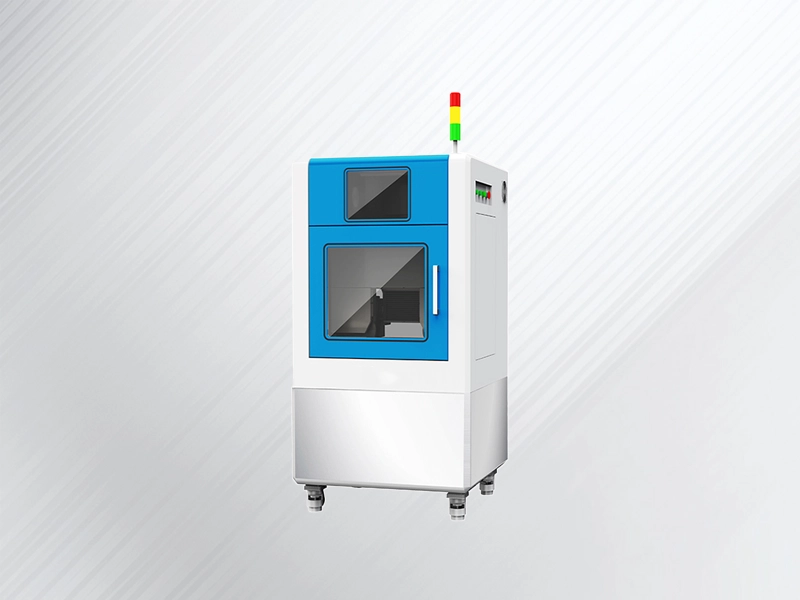
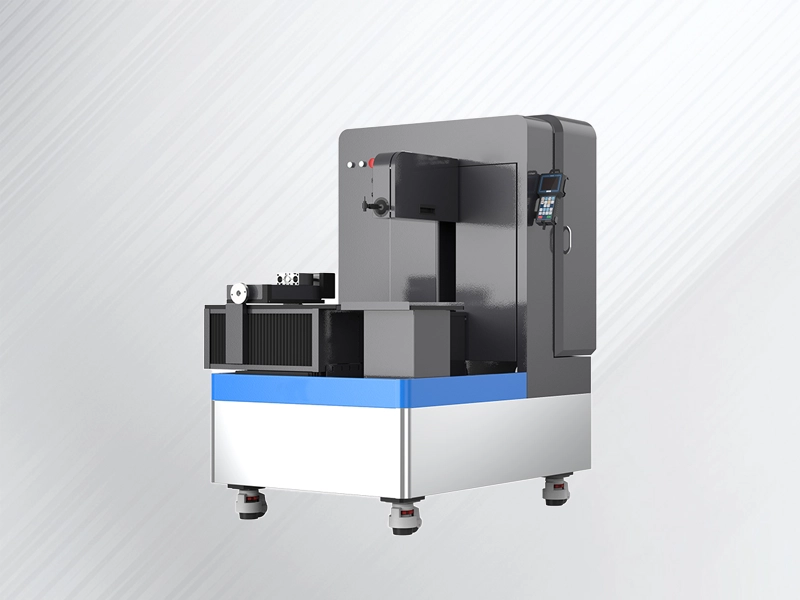
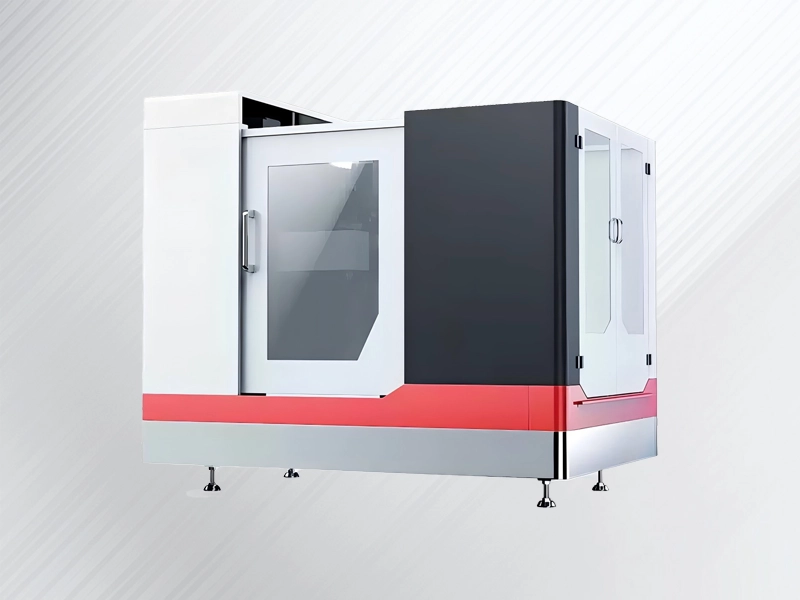
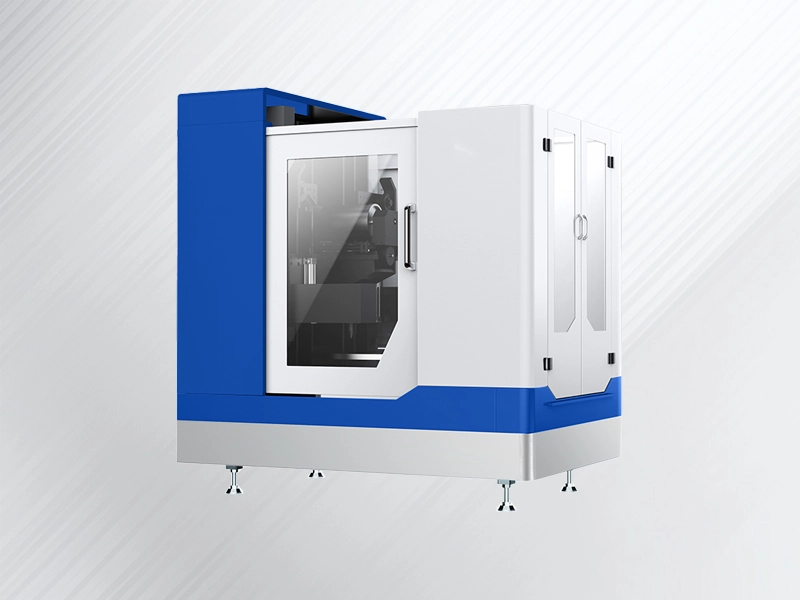
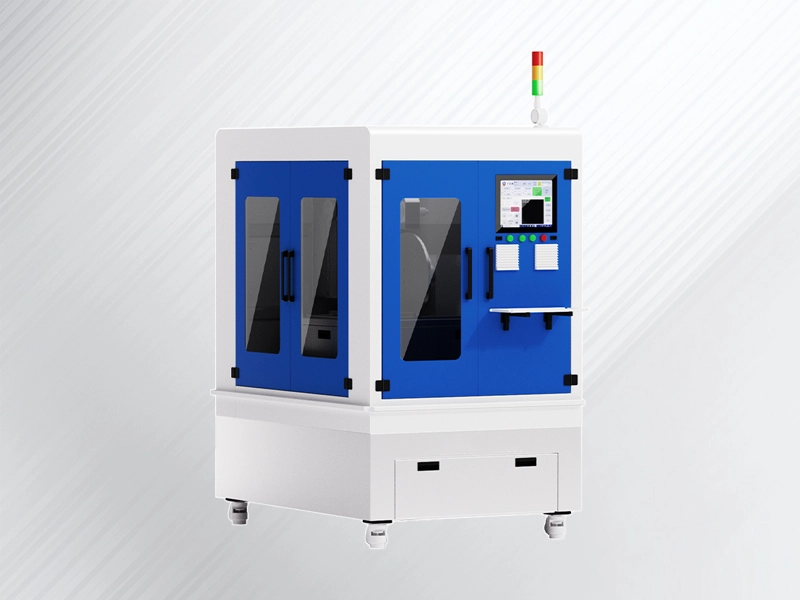
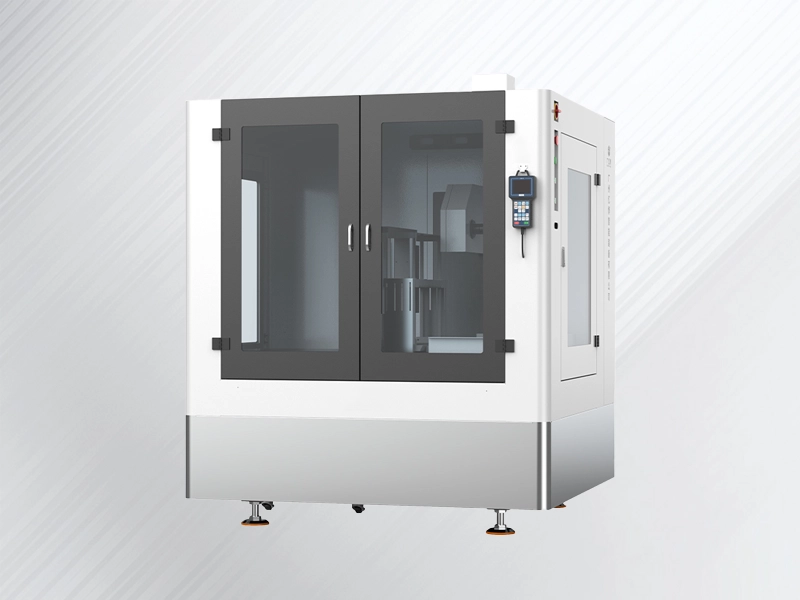
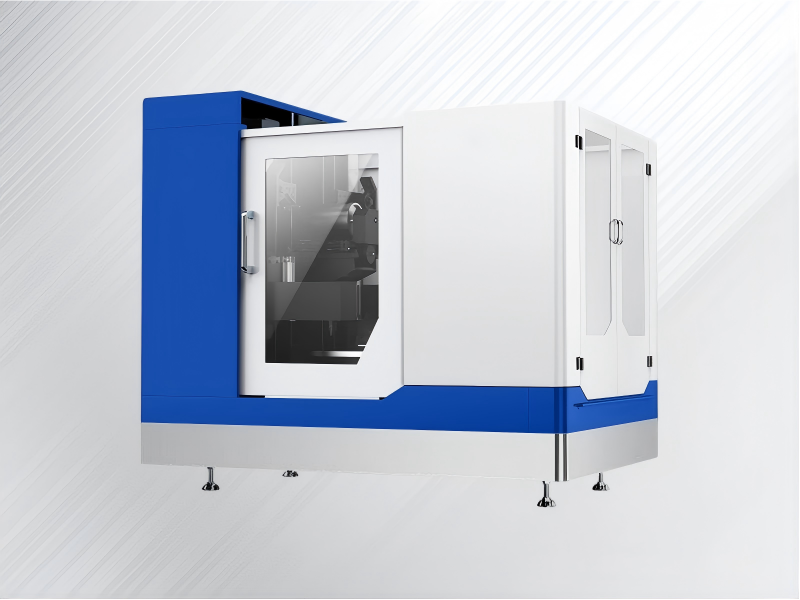
It is a precision industrial instrument designed to slice ultra-large, hard-brittle materials using a diamond-impregnated wire. Featuring a high-load horizontal worktable and a heavy cast iron base, it utilizes a “cold cutting” process to ensure smooth surfaces. It is essential for processing large-diameter ingots where maintaining low kerf loss and high structural integrity is critical for production.
Operation begins by securing the workpiece on the large horizontal table using specialized fixtures. After setting the desired slicing thickness on the control interface, the automatic wire-loading device feeds the diamond wire. Once the four-nozzle cooling system is activated to ensure dust-free processing, the machine executes the programmed continuous slicing sequence, requiring minimal manual intervention for high-volume industrial tasks.
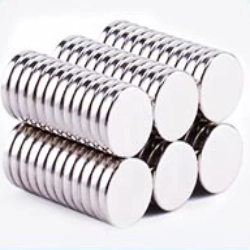
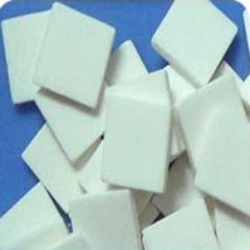
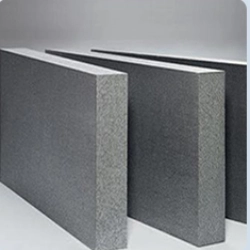
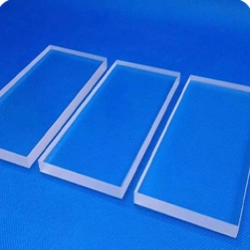
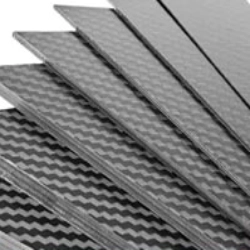
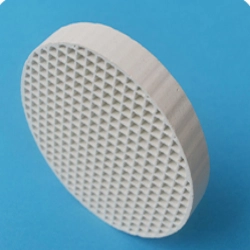
This machine is optimized for a wide range of hard and brittle materials. It effectively processes technical ceramics like alumina and silicon carbide, optical quartz glass, and semiconductor materials such as monocrystalline silicon. Additionally, it is ideal for cutting graphite, sapphire, magnetic ferrites, and carbon fiber composites, providing clean, burr-free edges without inducing thermal stress or internal micro-cracks.
The lifespan of the diamond wire depends on material hardness and cutting speed. Generally, a single wire can cut several square meters of surface area. For extremely hard ceramics or silicon, the wire may last for dozens of continuous hours. Using an integrated cooling system and maintaining proper pneumatic tension are vital factors that prevent premature wear and maximize wire longevity.
It is generally unsuitable for low-melting-point plastics and soft, gummy metals like pure copper or soft aluminum alloys, as these can melt and clog the diamond wire. Extremely flexible or fibrous organic materials may also wrap around the wire instead of being cleanly abraded, leading to wire breakage or a significant reduction in cutting efficiency and surface quality.
The price for an industrial-scale machine typically ranges from $15,000 to $45,000, depending on customization, table size, and automation features. While the initial investment is higher than manual saws, the long-term ROI is driven by significant savings in material waste, reduced labor costs through automatic slicing, and the elimination of expensive secondary grinding or polishing processes for the finished parts.
The operational lifespan typically exceeds 10 to 15 years with consistent maintenance. Built with a high-strength cast iron base and precision-ground components, the structural integrity remains stable under heavy loads. Regularly replacing wearable parts, such as guide wheels and cooling filters, and ensuring the ball screws are properly lubricated will significantly extend the machine’s reliable service life in demanding environments.
Selection depends on your maximum workpiece dimensions and material hardness. Ensure the machine’s stroke exceeds your largest ingot size, specifically looking for a 900mm capacity for large-scale projects. Prioritize models with a heavy cast iron base for stability, high-precision linear guides for accuracy, and an automated control system that matches your specific production volume and material yield requirements.