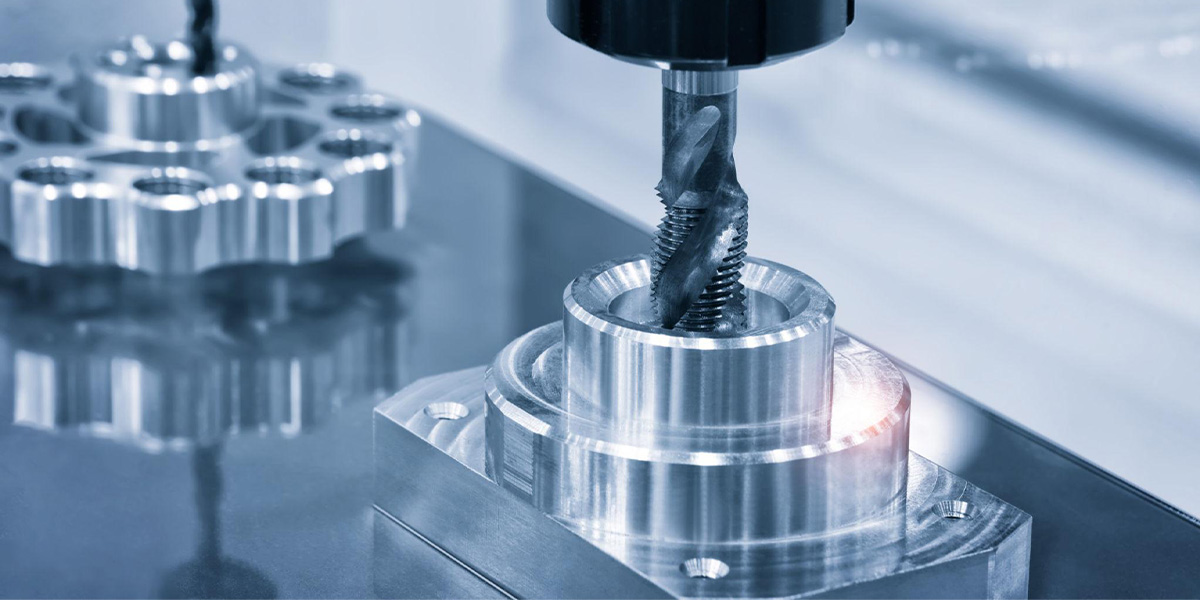
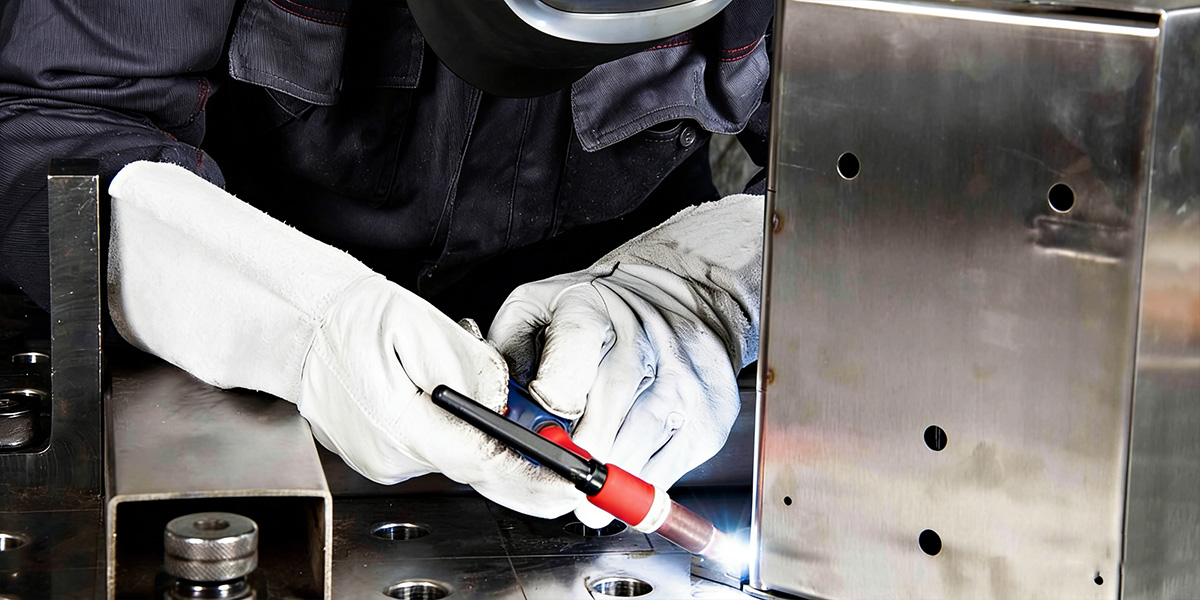
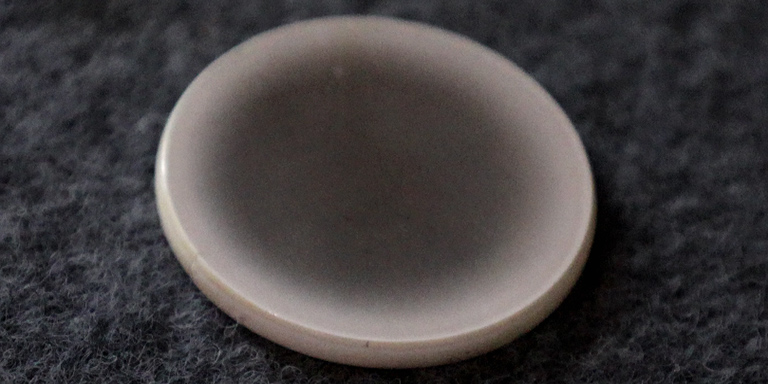
Sputtering targets are important materials in physical vapor deposition (PVD), where a target material is deposited onto a substrate to form a thin film. They are widely used in semiconductor manufacturing, displays, solar cells, optical coatings, electronics, and other advanced manufacturing processes.
Before a sputtering target reaches its final dimensions and surface condition, the target material may need to be cut, sliced, shaped, ground, polished, bonded, and inspected. Among these operations, target cutting is an important step because an unsuitable cutting process can lead to excessive material loss, edge chipping, dimensional errors, or surface damage.
The challenge becomes greater when the target material is hard, brittle, expensive, or sensitive to mechanical stress. Ceramic targets, silicon, sapphire, quartz, and other advanced materials require careful control of the cutting process. Even high-value metals can benefit from a low-kerf cutting method because every millimeter of unnecessary material loss can increase production costs.
This guide explains what target cutting is, the common types of sputtering target materials, the main cutting methods, key process parameters, common cutting problems, and how to select a suitable target cutting machine.
What Is Target Cutting?
Target cutting is the process of separating or slicing a target material into a required size, thickness, or shape before subsequent processing. Depending on the target design and manufacturing route, cutting may be performed on a target blank, billet, plate, rod, block, or other starting material.
In sputtering target manufacturing, cutting is usually not the final operation. A typical process may include material preparation, cutting, grinding, polishing, bonding, dimensional inspection, and final quality control.
The purpose of target cutting is therefore not simply to separate a workpiece. The cutting process should provide a suitable combination of:
- Dimensional accuracy
- Low material loss
- Good edge quality
- Controlled surface damage
- Stable cutting performance
- Suitable cutting speed
- Consistent results from part to part
The importance of each factor depends on the target material, target dimensions, required tolerance, and downstream finishing process.
Why Is Target Cutting Important?
| Cutting Factor | Why It Matters |
|---|---|
| Cutting accuracy | Determines whether the cut part meets the required dimensions |
| Kerf width | Affects the amount of material removed during cutting |
| Edge chipping | Can increase grinding and finishing requirements |
| Microcracks | May affect the integrity of brittle materials |
| Surface quality | Influences subsequent grinding and polishing |
| Cutting speed | Affects production efficiency |
| Material yield | Directly affects the utilization of valuable target material |
For high-value materials, material yield can be particularly important. A cutting method with a wider kerf may remove more material during every cut, while an unstable process can also create additional scrap.
What Are Sputtering Target Materials?
Sputtering targets are available in many material types. The material selected depends on the required thin-film properties and the deposition process.
From a cutting perspective, it is useful to classify target materials according to their mechanical and physical properties rather than only their chemical composition.
Metal Target Materials
Common metallic sputtering target materials include:
- Aluminum
- Copper
- Titanium
- Chromium
- Nickel
- Cobalt
- Silver
- Gold
- Platinum
- Molybdenum
- Tantalum
- Tungsten
Metals can behave very differently during cutting. Some are relatively ductile and machinable, while refractory metals such as tungsten and molybdenum can present greater cutting resistance. Precious metal targets also have a high material value, making kerf loss an important consideration.
For metallic targets, the cutting method must balance cutting efficiency, dimensional accuracy, surface condition, tool wear, and material recovery.
Alloy Targets
Alloy targets are produced by combining two or more elements to achieve specific deposition characteristics.
Examples include aluminum-based, copper-based, nickel-based, and other specialized alloys.
The cutting behavior of an alloy cannot always be predicted simply from the properties of its individual elements. Hardness, ductility, microstructure, residual stress, and manufacturing history can all affect the cutting process.
Ceramic and Compound Targets
Ceramic and compound targets are widely used in thin-film applications. Common examples include:
- ITO
- AZO
- Aluminum oxide
- Zirconium oxide
- Barium titanate
- Various oxide ceramics
- Nitride compounds
- Carbide compounds
- Silicide materials
These materials can be significantly more difficult to cut than conventional metals because of their hardness and brittleness.
A ceramic target may withstand high compressive loads but be sensitive to localized tensile stress. Excessive cutting force or unsuitable process parameters can therefore contribute to edge chipping or cracking.
Semiconductor and Advanced Materials
Advanced materials used in semiconductor and related applications include:
- Silicon
- Silicon carbide (SiC)
- Gallium nitride (GaN)
- Germanium
- Other high-purity semiconductor materials
These materials are often valued for their specific electrical, optical, or thermal properties. During cutting, maintaining dimensional control and minimizing damage can be important for subsequent processing.
For applications involving silicon wafers and ingots, specialized wire-saw technology is commonly used because it can provide controlled material removal with a relatively narrow cutting path.
Quartz, Glass, Crystal, and Sapphire
Other brittle materials that may be processed in advanced material applications include:
- Quartz
- Optical glass
- Sapphire
- Crystal materials
Their low tolerance for impact and localized stress makes cutting process control especially important.
Why Is Target Material Difficult to Cut?
Not all sputtering targets are difficult to cut. However, many target materials have properties that require more careful processing than ordinary industrial materials.
Hardness
Hard materials create higher resistance during cutting and can accelerate abrasive wear.
For example, ceramics and some refractory materials may require diamond-based cutting tools because conventional cutting tools can experience rapid wear.
Brittleness
Brittle materials tend to fracture rather than deform plastically when subjected to excessive stress.
During target cutting, this can result in:
- Edge chipping
- Surface cracks
- Microcracks
- Unexpected fracture
- Dimensional damage
The risk depends on material composition, microstructure, workpiece geometry, cutting force, support conditions, and cutting parameters.
High Material Value
Some sputtering target materials are expensive because of their purity, composition, or raw material cost.
This makes kerf loss an important consideration.
Kerf refers to the width of material removed by the cutting process. A wider cutting path means more material is converted into cutting debris rather than remaining in the finished workpiece.
For high-value materials, reducing unnecessary kerf can improve material utilization.
Tight Dimensional Requirements
Target blanks may require further grinding, polishing, bonding, or surface finishing after cutting.
If the initial cutting process produces large dimensional deviations or excessive surface damage, more material may need to be removed during later operations.
Good cutting therefore reduces the workload for downstream processes.
Microcracks and Internal Damage
Brittle materials can develop damage beneath or near the cutting surface. This is one reason why simply measuring the final dimensions is not always enough to evaluate a cutting process.
For sensitive applications, manufacturers may need to consider the depth of the damaged layer, edge condition, surface roughness, and subsequent finishing requirements.
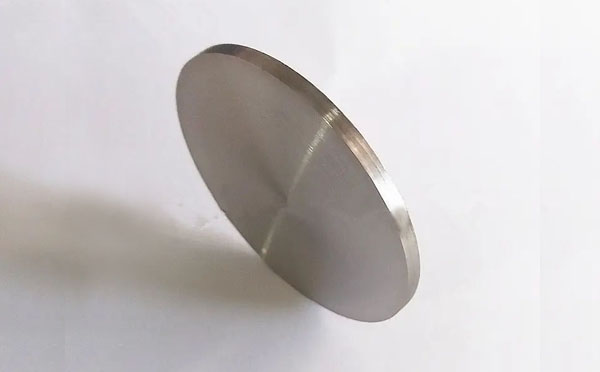
Target Cutting Methods: What Are the Options?
Different target materials require different cutting strategies. There is no single cutting method that is optimal for every material, geometry, and production requirement.
Common approaches include diamond blade cutting, diamond wire sawing, wire EDM, CNC machining, laser cutting, waterjet cutting, and grinding.
1. Diamond Blade Cutting
Diamond blade cutting uses a rotating blade containing or coated with diamond abrasive to remove material.
It is a well-established method for cutting many hard materials and can provide relatively fast cutting for suitable workpieces.
Advantages:
- Suitable for many hard materials
- Established industrial technology
- Good productivity for standard cuts
- Available in many blade specifications
Limitations:
- Kerf can be relatively large depending on the blade
- Cutting forces may be significant
- Brittle materials can be susceptible to chipping
- Blade wear must be managed
Diamond blade cutting can be a practical choice when material loss is not the primary concern and the workpiece geometry is suitable.
2. Diamond Wire Saw Cutting
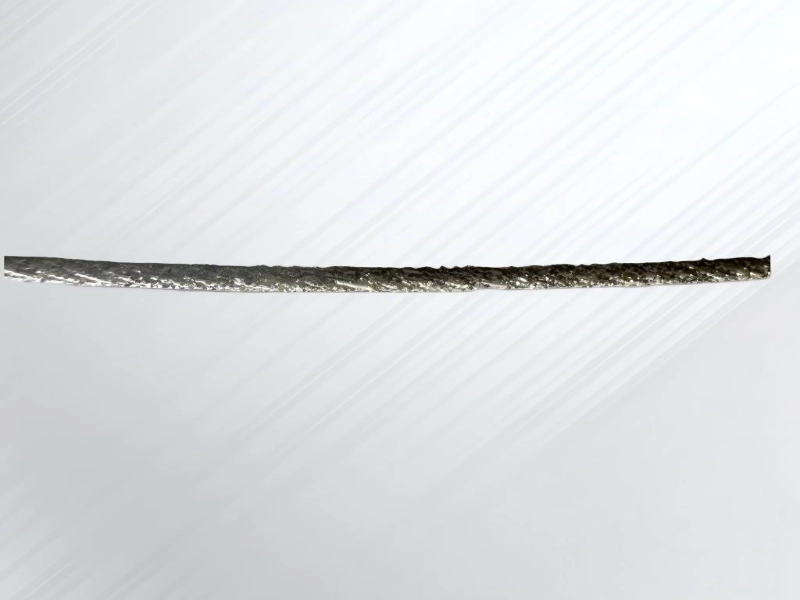
Diamond wire sawing uses a thin wire with diamond abrasive to progressively remove material.
The wire can be arranged in a reciprocating or continuous-loop configuration depending on the equipment.
One important advantage is the relatively narrow cutting path that can be achieved with an appropriately selected wire. This can help reduce kerf loss when processing expensive materials.
Diamond wire saws are particularly useful for many hard and brittle materials, including ceramics, silicon, sapphire, quartz, crystal, graphite, and other advanced materials, subject to the specific material and machine configuration.
3. Wire EDM
Wire electrical discharge machining uses electrical discharges to remove material from an electrically conductive workpiece.
Its strengths include good dimensional control and the ability to create complex profiles.
However, wire EDM requires an electrically conductive workpiece. This limits its application for non-conductive ceramics and other insulating materials.
It is therefore not a universal solution for sputtering target cutting.
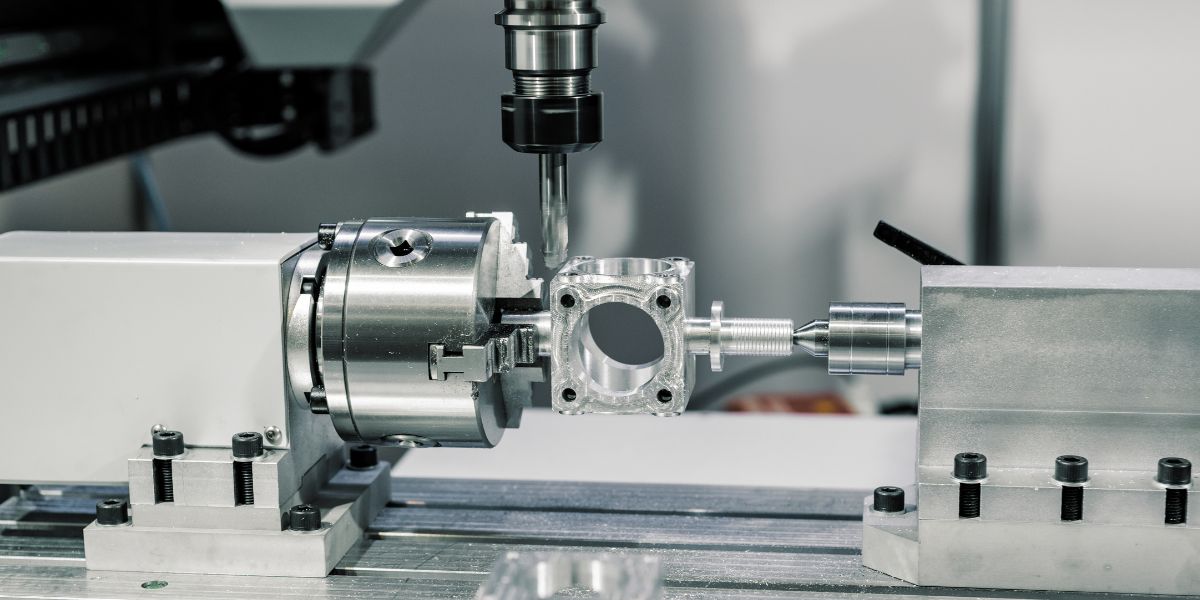
4. CNC Machining
CNC machining uses controlled cutting tools to produce specific dimensions and geometries.
It is useful when the workpiece requires:
- Grooves
- Holes
- Profiles
- Steps
- Complex shapes
However, cutting tools can experience significant wear when machining very hard materials. For brittle materials, excessive mechanical loading can also cause cracking or chipping.
5. Laser Cutting
Laser cutting removes material through concentrated thermal energy.
Its main advantage is high-speed, non-contact processing for suitable materials. However, the thermal nature of the process can create a heat-affected zone, thermal stress, or changes to the material near the cut.
For high-purity or heat-sensitive target materials, these effects need to be evaluated carefully.
6. Grinding
Grinding is often used for material removal, sizing, and surface finishing rather than primary sectioning of large workpieces.
It can provide good control over surface quality but is generally less efficient for removing large amounts of material.
Target Cutting Methods Comparison
The most suitable cutting technology depends on the target material, required accuracy, geometry, production volume, and material value.
| Cutting Method | Typical Strength | Main Limitation | Material Consideration |
|---|---|---|---|
| Diamond blade | Fast and established cutting | Wider kerf and cutting force | Suitable for many hard materials |
| Diamond wire saw | Narrow cutting path and controlled cutting | Parameters require optimization | Particularly useful for hard and brittle materials |
| Wire EDM | Precision and complex profiles | Requires conductive material | Not suitable for insulating ceramics |
| CNC machining | Flexible shapes and profiles | Tool wear on hard materials | Depends strongly on material hardness |
| Laser cutting | Non-contact, high-speed processing | Thermal effects | Requires control of heat-affected area |
| Grinding | Sizing and surface finishing | Relatively slow material removal | Commonly used after primary cutting |
Rather than selecting a method based only on cutting speed, manufacturers should consider the entire processing chain.
Diamond Wire Cutting for Sputtering Targets
Diamond wire cutting is based on abrasive material removal. A wire carrying diamond abrasive passes through the workpiece while controlled force and movement progressively separate the material.
Depending on the machine design, the wire may operate as a continuous endless loop or in another wire-saw configuration.
A simplified target cutting process is:
Target Blank → Workpiece Positioning → Wire Cutting → Separation → Dimensional Inspection → Grinding/Polishing
The exact sequence can vary depending on the target design.
For hard and brittle materials, the main benefit of diamond wire technology is that the cutting action can be distributed along a narrow wire rather than concentrated on a relatively thick blade.
This can help control kerf loss and cutting force when the machine and process parameters are properly matched to the material.
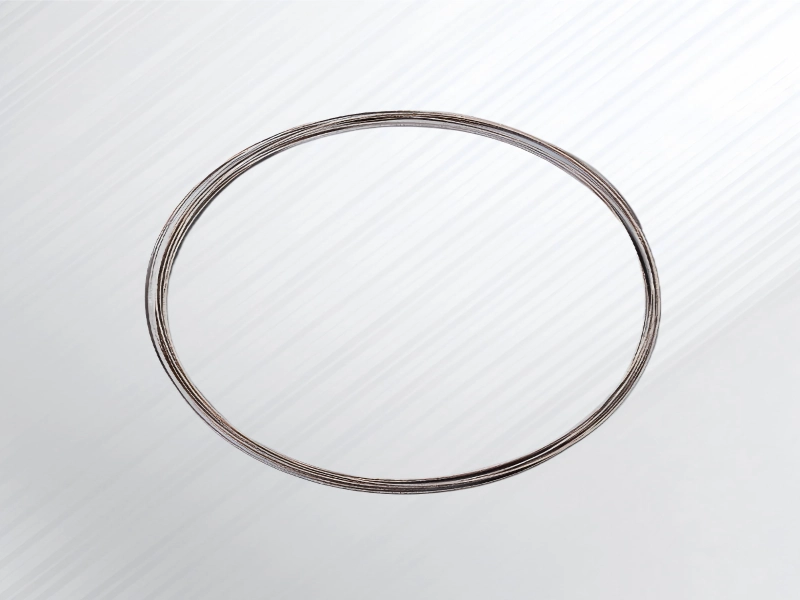
Why Use a Diamond Wire Loop?
An endless diamond wire loop continuously circulates through the cutting zone. Unlike a reciprocating wire system, the loop can maintain continuous movement in one direction.
The performance of the loop depends on factors such as:
- Wire diameter
- Diamond abrasive specification
- Diamond concentration
- Core material
- Joint quality
- Wire speed
- Workpiece material
- Cutting conditions
For different materials, the wire specification may need to be adjusted.
For example, a process developed for ceramic may not be directly transferable to a metallic target or a semiconductor material without parameter changes.
Advantages of Diamond Wire Cutting for Target Materials
Narrow Kerf and Material Savings
A relatively thin diamond wire can produce a narrow cutting path. This can be particularly valuable when processing expensive target materials.
The actual kerf depends on the wire diameter, abrasive layer, material removal behavior, and cutting conditions, so the expected material savings should be evaluated through process testing.
Controlled Cutting Force
Diamond wire cutting can provide a relatively distributed cutting action.
For brittle materials, controlling cutting force is important because excessive force can increase the risk of chipping and cracking.
Suitable for Hard and Brittle Materials
Diamond abrasives are widely used for processing hard materials.
Depending on the material and machine configuration, diamond wire cutting can be considered for:
- Ceramic
- Silicon
- Silicon carbide
- Sapphire
- Quartz
- Crystal
- Graphite
The suitability of the process should always be confirmed against the actual workpiece material and geometry.
Reduced Thermal Effects
Diamond wire cutting is primarily a mechanical abrasive process rather than a thermal cutting process.
When properly configured with suitable cutting conditions and cooling, it can avoid the large heat-affected zones associated with some thermal cutting methods.
This can be useful when thermal damage is a concern.
Flexible Workpiece Processing
Wire saw systems can accommodate different workpiece sizes and cutting arrangements.
For target processing, the machine should be selected according to the actual target dimensions rather than simply choosing the largest available machine.
Key Parameters in Target Cutting
Cutting quality is influenced by more than the machine itself. Wire specifications and process parameters can have a significant effect on the final result.
Wire Diameter
Wire diameter influences:
- Kerf width
- Material loss
- Cutting stability
- Wire strength
A thinner wire can potentially reduce kerf loss, but the appropriate wire must still provide sufficient strength and stability for the application.
Diamond Grit
Diamond grit affects how aggressively the wire removes material.
The suitable abrasive specification depends on material hardness, required surface condition, cutting speed, and other process variables.
Wire Speed
Wire speed affects cutting efficiency and the behavior of the abrasive wire.
A higher speed is not automatically better. The suitable operating range depends on the machine, wire construction, material, cooling conditions, and cutting strategy.
Feed Rate
Feed rate controls how quickly the workpiece enters the cutting zone.
If the feed rate is too aggressive, cutting force may increase and brittle materials may be more likely to chip or crack.
If it is too conservative, productivity may suffer.
Wire Tension
Stable wire tension is important for maintaining predictable wire movement.
Insufficient or unstable tension can affect cutting accuracy and surface consistency, while excessive tension may increase stress on the wire and machine components.
Cooling and Lubrication
Cooling can help control temperature and remove cutting debris.
The choice of cooling or lubrication should consider the material, purity requirements, machine design, and downstream process. For applications where contamination is a concern, the cutting environment should be carefully controlled.
Workpiece Size and Geometry
The diameter, thickness, length, shape, and mounting position of the target material all affect machine selection and process settings.
A small laboratory target and a large production target should not necessarily use the same machine configuration.
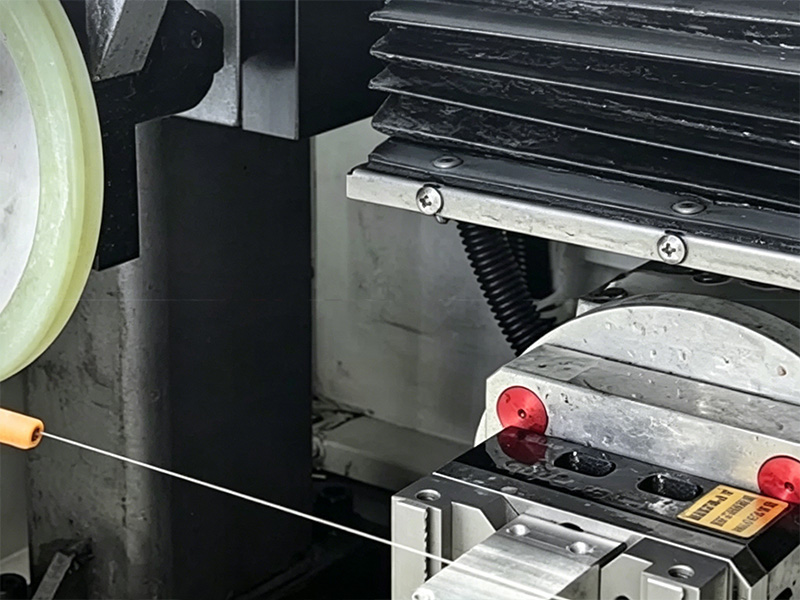
Target Cutting Process: From Target Blank to Finished Target
A typical target material processing route may include several stages.
Step 1: Material Selection
The target material is selected according to the required deposition properties, purity, composition, and application.
From a cutting perspective, hardness, brittleness, ductility, thermal behavior, and material value are also important.
Step 2: Target Blank Preparation
The raw material or target blank is inspected and prepared for cutting.
Dimensions, surface condition, internal defects, and mounting requirements may need to be considered.
Step 3: Cutting
The selected cutting method is used to divide the blank into the required dimensions.
For diamond wire cutting, wire diameter, abrasive specification, wire speed, tension, feed rate, and cooling conditions should be matched to the material.
Step 4: Dimensional Inspection
After cutting, the workpiece can be measured to verify:
- Thickness
- Length
- Width
- Diameter
- Flatness
- Parallelism
- Cutting tolerance
The inspection criteria depend on the final target specification.
Step 5: Grinding
Grinding can remove remaining cutting marks and bring the workpiece closer to the required dimensions.
Step 6: Polishing
Where required, polishing improves the surface condition and prepares the target for subsequent processing.
Step 7: Bonding
Some sputtering target assemblies use a backing plate or other bonding structure.
The cut and finished target may therefore undergo a bonding process before final assembly.
Step 8: Final Inspection
The finished target is inspected against dimensional, surface, material, and other application-specific requirements.
This complete workflow shows why cutting quality matters beyond the cutting operation itself. A poor first cut can increase material removal and processing time in every subsequent step.
How to Choose a Target Cutting Machine
Selecting a target cutting machine should start with the material and processing requirements rather than the machine model.
1. Identify the Target Material
Determine whether the workpiece is:
- Metal
- Alloy
- Ceramic
- Silicon
- Silicon carbide
- Sapphire
- Quartz
- Crystal
- Graphite
- Another advanced material
Different materials may require different wire specifications and cutting parameters.
2. Check Workpiece Dimensions
Important dimensions include:
- Diameter
- Thickness
- Length
- Width
- Overall shape
The maximum workpiece size should be checked against the machine’s actual cutting capacity.
3. Define the Required Accuracy
Consider the required:
- Dimensional tolerance
- Thickness tolerance
- Flatness
- Parallelism
- Surface condition
The cutting machine should be evaluated according to the final application rather than a single advertised accuracy figure.
4. Consider Material Yield
For expensive target materials, calculate how much material is removed by each cut.
A narrower kerf may provide a meaningful advantage when many cuts are required or when the raw material has a high unit value.
5. Select the Cutting Technology
Compare the suitability of:
- Diamond wire
- Diamond blade
- Wire EDM
- CNC machining
- Laser
- Waterjet
- Grinding
The best choice depends on the specific workpiece.
6. Consider Production Volume
A machine used for laboratory development may have very different requirements from a machine used for continuous production.
Consider:
- Number of cuts per day
- Automation requirements
- Wire replacement
- Loading and unloading
- Repeatability
- Operator requirements
Diamond Wire Saw vs Diamond Blade for Target Cutting
Diamond wire and diamond blades are both useful technologies, but they have different characteristics.
| Factor | Diamond Wire Saw | Diamond Blade |
|---|---|---|
| Cutting path | Generally narrow | Generally wider |
| Material loss | Lower potential with suitable wire | Can be higher depending on blade width |
| Cutting force | Relatively controlled | Can be higher |
| Brittle materials | Often well suited | Suitable with proper process control |
| Cutting flexibility | High | Good for standard cuts |
| Consumable | Diamond wire | Diamond blade |
| Process control | Sensitive to wire and machine parameters | Sensitive to blade condition and cutting parameters |
| Complex applications | Can be useful for different geometries | Often preferred for standard sectioning |
A diamond wire saw is not automatically the best option for every target. The correct choice depends on the material, workpiece geometry, required tolerance, production volume, and value of the material.
For high-value hard or brittle materials where kerf loss and controlled cutting are important, however, diamond wire technology is often worth evaluating.
Applications of Sputtering Target Materials
Sputtering target materials are used across a wide range of advanced manufacturing applications.
Semiconductor Manufacturing
Target materials are used to deposit thin films for semiconductor and electronic devices.
The material’s purity and deposition behavior are important, while target processing must maintain the required dimensional and surface specifications.
Thin-Film Deposition
Sputtering is widely used to deposit conductive, insulating, optical, and functional films.
The target material is selected according to the required film composition and properties.
Display Manufacturing
Sputtering targets are used in the manufacture of various display components and functional thin films.
Oxide and other compound targets can be particularly important in display-related applications.
Solar Cells
Target materials are used in some thin-film and coating processes associated with photovoltaic manufacturing.
Material selection depends on the specific cell technology and deposition process.
Optical Coatings
Metal and compound targets can be used to produce thin optical coatings with controlled optical properties.
Quartz, glass, sapphire, and other materials may also be encountered in related optical processing applications.
Electronics and Research
Sputtering targets are also used in electronics, sensors, laboratory research, and other thin-film development work.
Different applications can require very different target shapes, dimensions, purity levels, and surface conditions.
Common Target Cutting Problems and Solutions
Even with a suitable machine, process parameters need to be optimized for the specific material.
| Problem | Possible Cause | Possible Approach |
|---|---|---|
| Edge chipping | Excessive cutting force or unsuitable support | Reduce mechanical loading and optimize workpiece support |
| Microcracks | Excessive stress or unsuitable cutting conditions | Optimize feed rate, wire condition, and cutting parameters |
| Excessive kerf loss | Cutting wire or blade is too wide | Evaluate a smaller suitable cutting width |
| Poor dimensional accuracy | Wire movement or workpiece positioning is unstable | Improve tension, fixturing, and machine alignment |
| Rough cutting surface | Improper abrasive or cutting parameters | Adjust wire specification and process conditions |
| Slow cutting | Conservative or poorly matched parameters | Optimize wire speed and feed rate |
| Wire breakage | Excessive tension, cutting load, or unsuitable wire | Check wire specification and operating conditions |
| Contamination | Improper cooling or cutting environment | Control coolant, debris, cleaning, and handling |
These problems should be investigated systematically. Changing only one parameter at a time during process trials can make it easier to identify the main cause of a quality issue.
Why Process Testing Matters in Target Cutting
A machine specification alone cannot guarantee the same cutting result for every target material.
For example, two ceramic materials may have very different hardness, fracture behavior, density, or microstructure. Likewise, a thin target and a thick target may require different cutting conditions.
Before large-scale production, it is useful to evaluate:
- Target material
- Workpiece dimensions
- Wire diameter
- Diamond specification
- Wire speed
- Feed rate
- Wire tension
- Cooling conditions
- Cutting accuracy
- Kerf width
- Surface quality
- Edge condition
Small-scale cutting trials can help determine whether the selected machine and consumable are suitable before committing to a larger production setup.
Precision Target Cutting with Diamond Wire Technology
For applications where material utilization, controlled cutting, and processing of hard or brittle materials are important, diamond wire technology provides a practical alternative to conventional saw cutting.
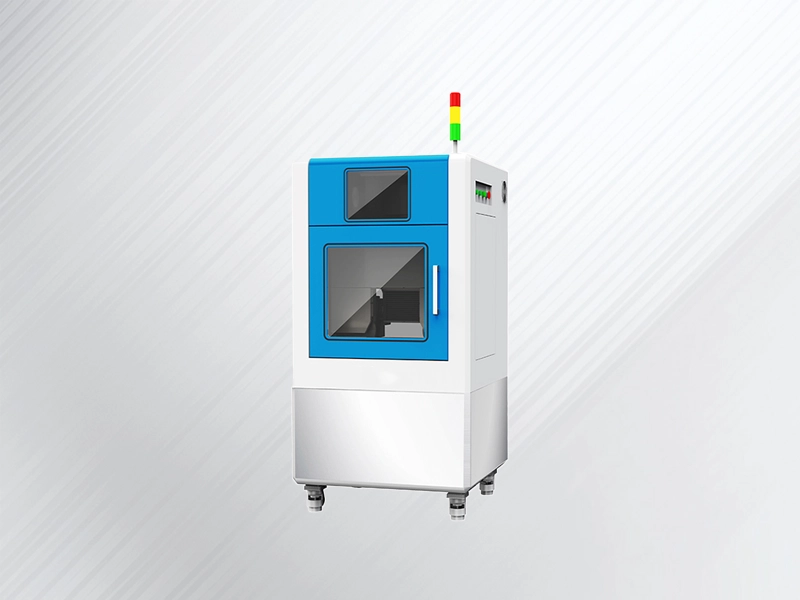
A precision diamond wire cutting machine can be configured around the actual workpiece requirements, including target size, material type, cutting thickness, required tolerance, and production volume.
The cutting wire is equally important. An appropriate diamond wire loop needs to match the machine and material. Wire diameter, diamond abrasive characteristics, core construction, joint quality, and operating speed all influence cutting behavior.
For example, Zelatec’s diamond wire cutting equipment covers different workpiece sizes and applications, while its diamond wire loop products are available in different specifications for different cutting requirements.
For target materials that require controlled kerf, stable wire movement, and accurate dimensional separation, a specialized diamond wire cutting system can be evaluated alongside conventional cutting technologies.
Precision Cutting Solutions for Target Materials
Target cutting is only one part of the target manufacturing process, but it can have a direct effect on material yield, downstream finishing, and overall processing efficiency.
For manufacturers processing hard, brittle, high-value, or advanced materials, the right cutting method should be selected according to the actual material and production requirements.
Zelatec provides diamond wire cutting equipment and related diamond wire products for processing a range of hard and brittle materials. Depending on the workpiece, available solutions include:
- Diamond Wire Cutting Machines
- Diamond Wire Saw Systems
- Endless Diamond Wire Loops
- Ceramic, Crystal and Sapphire Cutting Machines
- Silicon Wafer and Ingot Cutting Machines
- Graphite Wire Saw Cutting Machines
The appropriate configuration depends on the target material, workpiece dimensions, required cutting tolerance, surface requirements, and production volume.
If you are evaluating a target cutting process, providing the material type, workpiece size, target thickness, required tolerance, and expected production volume can help determine a suitable cutting approach.
Frequently Asked Questions About Target Cutting
What is target cutting?
Target cutting is the process of cutting or slicing a target material into specified dimensions or shapes before further operations such as grinding, polishing, bonding, and inspection. The cutting method can affect dimensional accuracy, kerf loss, edge quality, surface damage, and material yield.
What materials are used for sputtering targets?
Sputtering targets can be made from metals, alloys, ceramics, oxides, nitrides, carbides, semiconductors, and other advanced materials. Common examples include aluminum, copper, titanium, chromium, tungsten, molybdenum, ITO, AZO, alumina, silicon, silicon carbide, and sapphire-related materials.
What is the best method for cutting ceramic targets?
There is no single best method for every ceramic target. Diamond blade cutting and diamond wire sawing are commonly considered for hard ceramics. Diamond wire cutting can be particularly attractive when narrow kerf, controlled cutting force, and reduced material loss are important. The final choice should be confirmed through material-specific testing.
Can a diamond wire saw cut sputtering targets?
Yes, diamond wire saws can be used for certain sputtering target materials, particularly many hard and brittle materials. The actual suitability depends on the target’s composition, hardness, dimensions, required tolerance, and the diamond wire specification.
What is the difference between diamond wire and diamond blade cutting?
Both methods use diamond abrasive to remove hard materials, but the cutting geometry is different. A diamond wire is much thinner than most saw blades, which can allow a narrower cutting path and potentially lower material loss. A diamond blade can offer high productivity for standard cutting applications.
How can target cutting reduce material loss?
Material loss can be reduced by controlling the cutting width, selecting an appropriate wire or blade, maintaining stable cutting conditions, and minimizing unnecessary overcutting. For expensive target materials, a narrow-kerf diamond wire can be considered to improve material utilization.
How can cracking and chipping be reduced during target cutting?
Cracking and chipping can be reduced by controlling cutting force, feed rate, wire speed, wire tension, workpiece support, and cutting conditions. The cutting parameters should be adapted to the material’s hardness and fracture behavior rather than using one fixed setting for all targets.
What factors affect target cutting accuracy?
Important factors include machine rigidity, wire tension, workpiece positioning, wire diameter, feed rate, cutting speed, workpiece geometry, and material properties. Regular machine alignment and stable fixturing are also important for repeatable results.
How do I choose a target cutting machine?
Start with the target material and workpiece dimensions. Then define the required cutting thickness, tolerance, surface quality, material yield, and production volume. Compare suitable technologies and confirm the machine’s actual cutting capacity and process performance through material-specific testing.
Can diamond wire saws cut hard and brittle target materials?
Diamond wire saws are well suited to many hard and brittle materials because diamond abrasive can effectively remove hard materials while the relatively narrow wire provides a controlled cutting path. However, the appropriate wire specification and process parameters depend on the material and workpiece.
Can diamond wire saws cut non-conductive ceramic targets?
Yes. Unlike Wire EDM, which requires an electrically conductive workpiece, diamond wire sawing is a mechanical abrasive cutting process and does not depend on electrical conductivity. This makes diamond wire technology a potential option for non-conductive ceramic and other insulating materials, subject to the specific material and cutting requirements.
Conclusion
Target cutting plays an important role in the preparation of sputtering targets for semiconductor, display, solar, optical, electronic, and research applications. The challenge is not simply to separate the material, but to achieve the required dimensions while controlling kerf loss, cutting force, edge damage, surface condition, and material yield.
Different materials require different approaches. Diamond blades remain useful for many conventional applications, while wire EDM is valuable for suitable conductive materials and CNC machining can provide flexible geometries. For many hard and brittle materials, diamond wire cutting offers another practical option, particularly when narrow kerf and controlled material removal are important.
The right solution ultimately depends on the target material, workpiece geometry, required tolerance, production volume, and downstream processing requirements.
For manufacturers evaluating precision target cutting, a material-specific cutting trial is often the most reliable way to determine the appropriate machine, diamond wire, and process parameters.