Corrugated paper is widely used in packaging, shipping, retail, and industrial applications because it combines low weight with good stiffness, cushioning, and structural strength. From e-commerce shipping boxes to protective inserts and custom packaging, corrugated paper products are part of everyday logistics.
However, corrugated paper is not a single material with one standard structure. Different flute profiles, paper grades, layer constructions, thicknesses, and moisture conditions can produce very different performance. These differences also affect how the material should be cut, scored, slotted, or shaped.
This guide explains what corrugated paper is, how it is made, the main types and flute profiles, its physical properties and applications, and the most common corrugated paper cutting methods. It also looks at common cutting problems and how to choose a suitable cutting machine for different applications.
What Is Corrugated Paper?
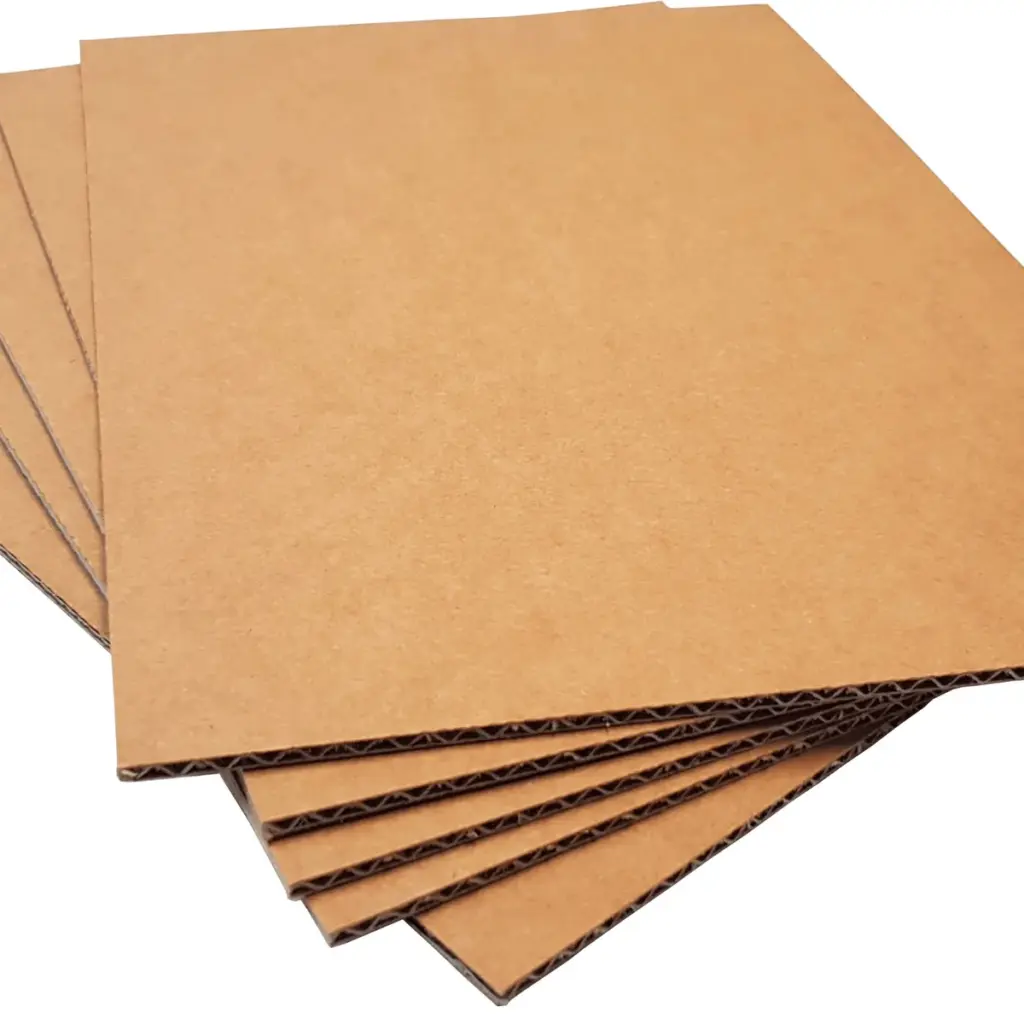
Corrugated paper is a paper-based material that uses a fluted or wave-shaped layer to create stiffness and cushioning. In the packaging industry, the fluted layer is normally combined with one or more flat linerboards to form corrugated board, also commonly called corrugated cardboard or corrugated fiberboard.
A typical single-wall corrugated board consists of three layers:
- One flat linerboard
- One fluted corrugated medium
- One flat linerboard
The fluted medium is shaped into a series of arches and then bonded to the linerboard with adhesive. The resulting structure creates small air spaces between the layers. These spaces help increase stiffness and provide cushioning while keeping the overall material relatively light.
This is one of the main reasons corrugated paper material can support considerably more load than a flat sheet of paper of similar weight.
The terms corrugated paper, corrugated board, and corrugated cardboard are sometimes used interchangeably in everyday communication. Technically, however, they can refer to different parts of the material system. Corrugated paper may refer to the fluted paper or paper-based corrugated material, while corrugated board or corrugated cardboard generally refers to the finished layered structure.
How Is Corrugated Paper Made?
The production process varies according to the type of corrugated material, but the basic process can be summarized as:
Paper Preparation → Corrugating → Heating and Conditioning → Gluing → Board Formation → Cutting and Converting
1. Paper Preparation
Paper rolls are selected according to the required strength, grammage, appearance, and application. Common paper types include kraft-based linerboard, testliner, and corrugating medium.
The paper properties have a direct effect on the final board. Higher-strength paper grades may be selected for heavy-duty shipping or industrial packaging, while lighter grades may be suitable for retail packaging.
2. Corrugating the Medium
The corrugating medium passes through heated corrugating rolls. The rolls form the paper into a regular flute profile.
Temperature, pressure, paper moisture, and machine settings need to be controlled carefully. Poor forming conditions can affect flute shape and ultimately reduce the strength and dimensional stability of the board.
3. Gluing the Fluted Medium to the Liner
Adhesive is applied to the flute tips. The fluted medium is then bonded to the linerboard.
Depending on the final construction, one or two liners can be attached to the fluted medium.
4. Forming Single-Wall or Multi-Wall Board
The manufacturing process can produce single-wall, double-wall, or triple-wall corrugated board.
Different combinations are selected according to required strength, cushioning, thickness, and application.
5. Cutting and Converting
After the board is formed, it can be cut, scored, slotted, printed, folded, and converted into the required packaging shape.
Cutting and converting conditions become particularly important when the material has multiple layers, thick construction, or complex geometries.
Types of Corrugated Paper and Corrugated Board
Corrugated materials can be classified in several ways, including flute profile, wall construction, and paper grade.
Single-Face Corrugated Board
Single-face board consists of one liner bonded to one fluted medium.
Because one side of the flute remains exposed, it is often used for protective wrapping, cushioning, and applications where flexibility is useful.
Single-Wall Corrugated Board
Single-wall corrugated board, also known as 3-ply board, consists of one fluted medium between two linerboards.
It is one of the most widely used corrugated constructions and provides a balance between weight, strength, cushioning, and cost.
Typical applications include shipping cartons, e-commerce boxes, retail packaging, and general-purpose packaging.
Double-Wall Corrugated Board
Double-wall board contains two fluted layers and three linerboards, creating a five-layer structure.
Different flute combinations, such as BC flute, can be used to achieve higher stiffness and compression resistance than single-wall board.
Double-wall corrugated board is commonly used for heavier products, long-distance shipping, industrial packaging, and applications where additional protection is required.
Triple-Wall Corrugated Board
Triple-wall corrugated board contains three fluted layers separated by linerboards.
It is significantly thicker and is designed for demanding applications requiring high structural strength. In some cases, triple-wall corrugated board can be used as an alternative to heavier packaging materials.
Corrugated Flute Types
Flute profile is one of the most important factors affecting corrugated board performance.
Common flute types include A, B, C, E, and F. Exact flute height and flute count can vary by manufacturer, standard, and production specification, so the values below should be treated as typical ranges rather than universal dimensions.
| Flute Type | Typical Characteristics | Common Applications |
|---|---|---|
| A Flute | Thick, strong cushioning and good compression performance | Heavy-duty packaging, fragile products |
| B Flute | Relatively thin with good crush and puncture resistance | Die-cut boxes, retail packaging, displays |
| C Flute | Balanced strength, cushioning, and material efficiency | Shipping cartons, e-commerce packaging |
| E Flute | Thin structure and relatively smooth surface | Retail boxes, printed packaging |
| F Flute | Very fine micro-flute structure | Small cartons, premium and specialty packaging |
A Flute
A flute is one of the larger flute profiles. Its relatively high flute provides good cushioning and compression performance.
It is often considered when protection against impact is important, particularly for fragile products.
B Flute
B flute is thinner than A flute and provides good resistance to crushing and puncture. Its relatively flat surface can also be useful for printing and die-cut packaging.
C Flute
C flute provides a practical balance between cushioning, stiffness, and material consumption. It is widely used for general shipping and transport packaging.
E and F Flutes
E and F flutes are much finer than A, B, or C flute. Their thinner construction provides a relatively smooth surface and good folding characteristics, making them useful for retail packaging, printed cartons, and smaller products.
When selecting a flute type, it is important to consider the complete packaging design rather than choosing a flute only by thickness.
Properties of Corrugated Paper
The performance of corrugated paper depends on more than paper thickness. Flute profile, liner grade, grammage, moisture content, adhesive quality, board construction, and processing conditions can all affect its behavior.
Lightweight Construction
One of the main advantages of corrugated material is its relatively low weight compared with its structural performance.
The fluted structure creates stiffness without requiring a completely solid sheet of paper. This helps reduce packaging weight and transportation costs.
High Strength-to-Weight Ratio
The combination of flat liners and fluted medium provides good resistance to compression and bending.
This makes corrugated board suitable for stacking and shipping applications where both strength and low weight are important.
Cushioning Performance
The air spaces created by the flutes can help absorb and distribute impact forces.
The cushioning effect depends on flute profile, board construction, paper properties, and the design of the finished package.
Compression Resistance
Compression strength is particularly important for shipping cartons because boxes may be stacked during storage and transportation.
Tests such as the Edge Crush Test (ECT) are commonly used to evaluate the ability of corrugated board to resist edge compression.
Bursting Strength
Mullen or bursting strength measures the resistance of paperboard to bursting under pressure.
ECT and bursting strength measure different aspects of packaging performance, so one should not automatically be treated as a replacement for the other.
Flexibility and Converting Performance
Corrugated board can be scored, folded, slotted, die-cut, and converted into many different shapes.
Fine flute profiles such as E and F flute are often suitable for packaging designs requiring relatively precise folding and high-quality graphics.
Moisture Sensitivity
Moisture can have a significant effect on paper and corrugated board performance.
High humidity can reduce compression strength and dimensional stability. For refrigerated, outdoor, or high-humidity applications, the paper grade, coating, adhesive, and package design should be selected accordingly.
For this reason, corrugated paper performance depends not only on paper grade but also on flute profile, moisture content, board construction, and processing conditions.
Recyclability
Corrugated packaging is widely recycled because it is primarily fiber-based. Used corrugated containers can be collected, processed, and converted into recovered paper fibers.
However, recyclability depends on the complete product. Heavy coatings, contamination, laminations, and other non-fiber components can affect recycling processes.
What Is Corrugated Paper Used For?
Corrugated paper and corrugated board are used across a wide range of industries.
E-Commerce and Retail Packaging
E-commerce has increased demand for lightweight, protective packaging that can move efficiently through distribution networks.
Corrugated boxes are commonly used for:
- Online orders
- Retail cartons
- Subscription boxes
- Product shipping
- Promotional packaging
- Custom printed boxes
Food and Beverage Packaging
Corrugated materials are widely used for transporting packaged food, beverages, agricultural products, and other goods.
Ventilated boxes, produce cartons, trays, and protective packaging can be designed around different flute structures and paper grades.
For applications involving direct food contact, the appropriate food-contact material specifications and coatings must be considered.
Industrial and Manufacturing Packaging
Manufacturers use corrugated board to protect:
- Electrical equipment
- Household appliances
- Machinery components
- Precision instruments
- Automotive parts
- Industrial products
Protective inserts and multi-layer structures can be cut into custom shapes to hold products securely during transportation.
Protective Inserts and Cushioning
Corrugated paper can also be converted into internal supports, dividers, pads, corner protection, and other packaging components.
These components help prevent movement and reduce the risk of impact damage during shipping.
Displays and Specialty Products
Fine-flute corrugated board is frequently used for retail displays, point-of-purchase structures, presentation boxes, and other products where appearance and print quality are important.
Corrugated material can also be cut into architectural models, educational products, furniture components, and other paper-based structures.
Corrugated Paper vs. Corrugated Cardboard
The difference between corrugated paper and corrugated cardboard can be confusing because the terms are often used differently depending on the industry and region.
Corrugated paper generally refers to paper material that has been formed into a fluted structure or is used as the corrugated medium.
Corrugated cardboard, or corrugated fiberboard, normally refers to the finished composite structure consisting of one or more fluted layers bonded between flat linerboards.
By comparison, ordinary cardboard is a broader term that can describe various types of thick paperboard and does not necessarily contain a fluted layer.
In practical packaging discussions, people may use “corrugated paper,” “corrugated cardboard,” and “corrugated board” to describe related materials. When specifying material for manufacturing or cutting, however, it is better to identify the exact board construction, flute type, thickness, and paper grade.
How Is Corrugated Paper Cut?
Cutting is one of the most important converting processes for corrugated paper and board.
Depending on the application, manufacturers may need to perform straight cutting, slitting, scoring, slotting, trimming, die cutting, or contour cutting.
The appropriate cutting method depends on several factors:
- Board thickness
- Flute type
- Number of layers
- Sheet size
- Cutting geometry
- Required accuracy
- Production volume
- Edge-quality requirements
- Material condition
For high-volume standard packaging, mechanical cutting and die cutting are common choices. For prototypes, short runs, custom shapes, or specialized applications, digital and other precision cutting technologies may offer greater flexibility.
Common Corrugated Paper Cutting Methods
1. Die Cutting
Die cutting uses a shaped cutting tool to cut a predetermined pattern into corrugated board.
Flatbed Die Cutting
A flatbed die cutter uses a flat cutting surface and a custom die. Depending on the machine and tooling, cutting, creasing, and other converting operations can be combined.
Flatbed die cutting is useful for complex packaging shapes and repeated production.
Its main limitation is tooling. A new design normally requires a suitable die, which can increase setup time and cost for short production runs.
Rotary Die Cutting
Rotary die cutting uses a cylindrical die to process corrugated board continuously.
It is particularly suitable for high-volume production because the process can operate at high speed once the tooling and production parameters have been established.
2. Slitting and Scoring
Slitting separates corrugated board into narrower sections, usually with circular knives or other mechanical cutting systems.
Scoring creates controlled folding lines without completely cutting through the board.
These processes are essential for converting large sheets into packaging blanks and preparing them for folding and assembly.
3. CNC Digital Knife Cutting
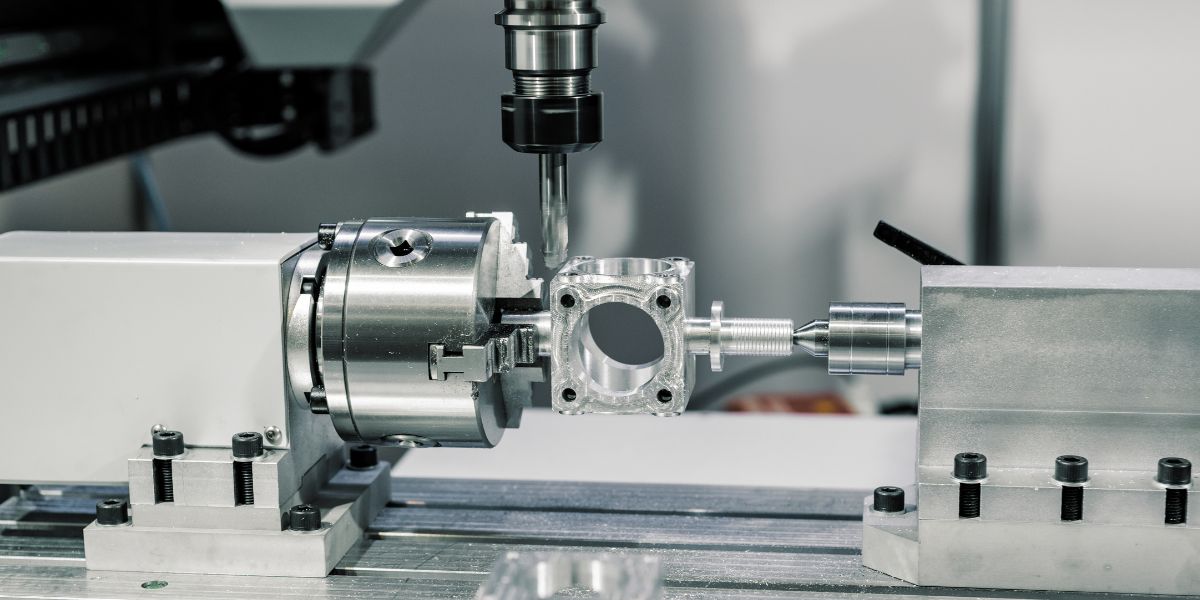
CNC knife systems use computer-controlled cutting paths to produce custom shapes.
They are useful for:
- Prototypes
- Short production runs
- Custom packaging
- Protective inserts
- Complex shapes
- Design development
One major advantage is flexibility because changing the cutting pattern does not necessarily require manufacturing a new physical die.
4. Laser Cutting
Laser cutting uses a focused beam to process the material without direct mechanical contact.
It can produce fine and complex geometries and is useful in certain prototyping, modeling, and specialty applications.
However, because laser cutting is a thermal process, heat effects, smoke, discoloration, or edge changes may need to be considered when processing paper-based materials.
5. Waterjet Cutting
Waterjet cutting uses a high-pressure water stream and, depending on the system and material, abrasive media.
It is more commonly associated with hard or thick materials than conventional corrugated packaging. For corrugated paper, its suitability depends strongly on the material construction and required production process.
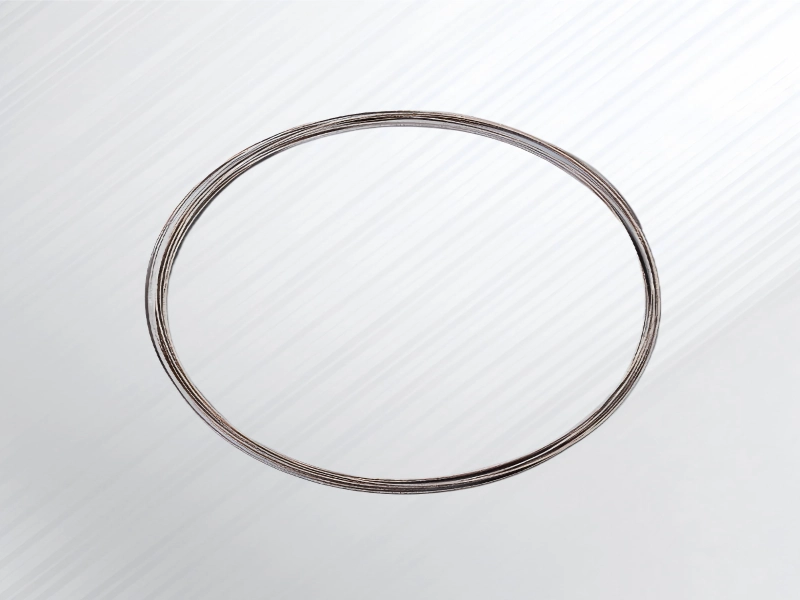
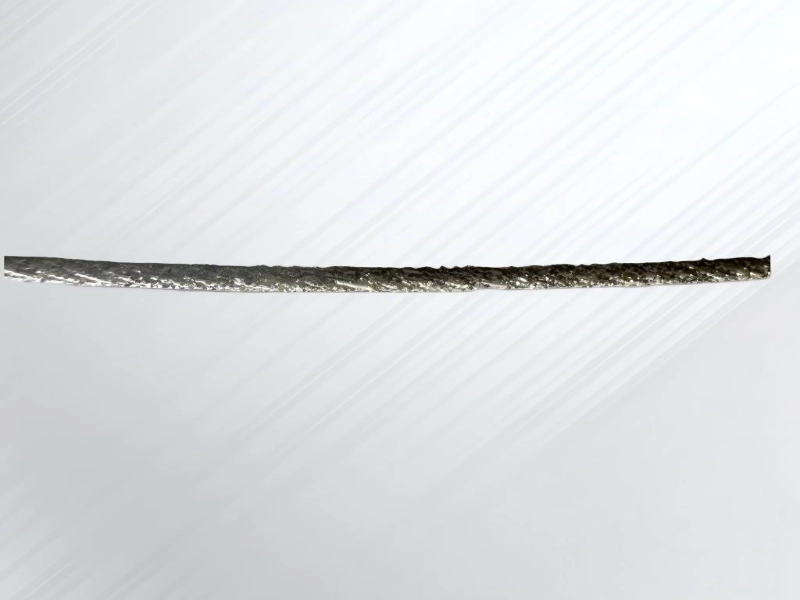
6. Diamond Wire Cutting
Diamond wire cutting uses a wire with abrasive diamond particles to remove material through controlled cutting.
It is not the standard solution for every corrugated packaging operation. Conventional knives, slitting systems, and die cutting remain more appropriate for many high-volume packaging applications.
However, diamond wire technology can be considered for specialized cutting requirements where factors such as narrow kerf, controlled cutting force, or material integrity are important.
Corrugated Paper Cutting Methods Compared
Different cutting technologies have different strengths. There is no single method that is best for every corrugated paper application.
| Cutting Method | Main Advantage | Main Limitation | Typical Use |
|---|---|---|---|
| Flatbed Die Cutting | Complex repeated shapes | Requires tooling | Packaging production |
| Rotary Die Cutting | High production speed | Tooling and setup required | Large-volume production |
| Slitting | Fast straight-line separation | Limited shape flexibility | Board sectioning |
| CNC Knife Cutting | Flexible and easy to change designs | Generally slower for mass production | Prototypes and custom shapes |
| Laser Cutting | Fine, contactless cutting | Heat effects may occur | Specialty and detailed shapes |
| Waterjet Cutting | Can process selected multi-layer materials | Not practical for every paper application | Specialized cutting |
| Diamond Wire Cutting | Narrow kerf and controlled abrasive cutting | Application-dependent | Specialized precision cutting |
The correct choice should be based on the actual material and production requirements rather than on cutting technology alone.
Why Is Corrugated Paper Difficult to Cut?
Corrugated board may look simple, but its layered structure creates several cutting challenges.
Flute Crushing
Excessive mechanical pressure can deform or crush the fluted medium.
Once the flute structure has collapsed, the finished edge and dimensional accuracy may be affected.
Edge Fraying
A dull or unsuitable cutting tool can pull or tear paper fibers instead of producing a clean cut.
The problem can become more noticeable with certain paper grades, thick boards, or poorly controlled cutting conditions.
Delamination
If cutting forces are not well controlled, the bond between layers can be damaged.
This can result in separation between the liner and fluted medium.
Paper Dust and Debris
High-speed mechanical cutting can generate paper dust and small fibers.
Good extraction and cleaning practices may be required, particularly in continuous production environments.
Tool Wear
Cutting tools gradually lose their sharpness during operation.
A worn blade can increase cutting force, produce rough edges, and increase the risk of material deformation.
Moisture and Material Variation
Paper is sensitive to environmental conditions. Moisture changes can affect stiffness, flexibility, dimensional stability, and cutting behavior.
Therefore, the same cutting settings may not produce identical results when the material specification or environmental conditions change.
Diamond Wire Cutting for Corrugated Paper
Diamond wire cutting is based on abrasive cutting rather than a conventional sharp blade.
A diamond wire can be configured as an endless loop or as a reciprocating wire, depending on the machine design and application. During cutting, the diamond-coated wire contacts the workpiece and removes material through controlled abrasive action.
One potential advantage is the relatively narrow cutting path. A narrow kerf can help reduce material loss, although the actual kerf depends on wire diameter, coating, machine configuration, cutting conditions, and the material being processed.
Diamond wire systems are widely associated with hard and brittle materials such as silicon, sapphire, quartz, ceramics, and other difficult-to-cut materials. For corrugated paper, their use should be evaluated according to the specific product and cutting objective rather than assumed to be superior to conventional packaging equipment.
For specialized corrugated structures or non-standard cutting applications, testing the actual material before selecting the machine and wire specification is recommended.
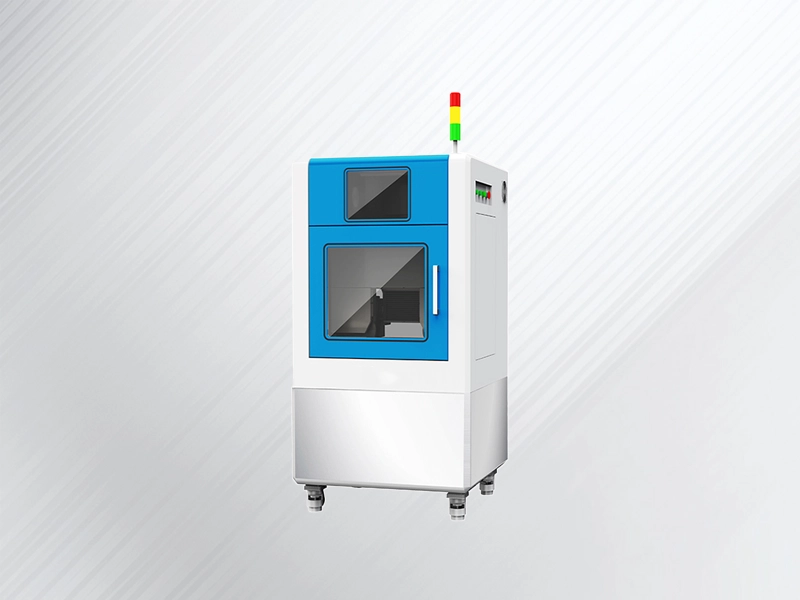
For industrial applications where diamond wire technology is appropriate, Zelatec provides diamond wire cutting machines and diamond wire loops with different configurations for different material-processing requirements.
Advantages and Limitations of Diamond Wire Cutting
Potential Advantages
Depending on the application and machine configuration, diamond wire cutting can provide:
- A narrow cutting kerf
- Controlled cutting force
- Reduced mechanical contact compared with some conventional cutting tools
- Continuous cutting capability with endless wire systems
- Flexibility in specialized cutting applications
- Compatibility with different wire diameters and configurations
The actual cutting performance depends on material structure, wire specification, machine design, feed conditions, and other process parameters.
Limitations
Diamond wire cutting is not automatically the best option for every corrugated paper product.
For large-volume standard cartons, rotary die cutting, flatbed die cutting, or high-speed slitting may provide better production economics.
Diamond wire cutting may be more relevant when the application requires a specialized cutting process and the benefits of the technology justify the additional equipment and consumable requirements.
How to Choose a Corrugated Paper Cutting Machine
Choosing a corrugated paper cutting machine should begin with the material and finished product rather than the machine model.
1. Identify the Material Structure
Determine whether you are processing:
- Single-face board
- Single-wall board
- Double-wall board
- Triple-wall board
- Honeycomb or other paper structures
The number of layers directly affects cutting resistance and material deformation.
2. Check Board Thickness
Thickness is an important factor when selecting the cutting system, tool, and machine configuration.
A method suitable for thin E-flute board may not be appropriate for thick double-wall or triple-wall structures.
3. Consider the Flute Type
A, B, C, E, and F flute structures have different thicknesses and mechanical characteristics.
The cutting process should account for the flute direction and structure.
4. Define the Cutting Shape
Straight cuts require very different equipment from complex contours, slots, internal openings, or custom profiles.
If the design changes frequently, a flexible CNC-based system may be more practical than dedicated tooling.
5. Consider Production Volume
For millions of identical boxes, production speed and tooling economics are major considerations.
For prototypes and small batches, flexibility and quick setup may be more important.
6. Define Edge-Quality Requirements
If the application requires clean edges with limited fraying, crushing, or delamination, the cutting method and process parameters should be selected accordingly.
7. Consider Material Waste
Kerf width can affect material utilization, particularly when processing expensive or specially designed paper structures.
A narrower cutting path can potentially reduce material loss, but the complete process economics should be considered.
8. Evaluate Maintenance and Consumables
Blade life, wire life, replacement cost, cleaning, dust collection, and machine maintenance all contribute to the total operating cost.
Corrugated Paper Cutting Machine Specifications
There is no universal specification for a corrugated paper cutting machine because the appropriate configuration depends on the material and application.
When evaluating a machine, the following parameters are worth checking:
| Parameter | What to Consider |
|---|---|
| Material | Corrugated paper, corrugated board, multi-layer paper structures |
| Board Thickness | Match the machine to the maximum workpiece thickness |
| Cutting Method | Knife, die, laser, waterjet, diamond wire, or other process |
| Cutting Speed | Depends on material, geometry, and required quality |
| Cutting Accuracy | Confirm according to the actual application |
| Workpiece Size | Match the machine working area to the required sheet size |
| Tool / Wire Specification | Select according to material and cutting conditions |
| Control System | CNC or other control system according to process requirements |
| Dust Management | Important for dry cutting and high-speed processing |
| Automation | Manual, semi-automatic, or automatic operation |
| Customization | Consider special fixtures and machine configurations |
For specialized applications, material testing is often more useful than selecting a machine based only on a catalog specification.
How to Get Clean Edges When Cutting Corrugated Paper
Clean cutting is not determined by the machine alone. Tool selection, material condition, cutting parameters, and workpiece support all matter.
The following practices can help improve cutting results:
- Choose a cutting method suitable for the board structure.
- Use the correct tool or wire specification.
- Control cutting speed and feed rate.
- Avoid excessive clamping or mechanical pressure.
- Keep the workpiece properly supported during cutting.
- Check tool sharpness or wire condition regularly.
- Consider flute direction when planning the cutting path.
- Maintain stable material moisture and environmental conditions where possible.
- Use appropriate dust extraction for dry cutting processes.
- Test the actual material before starting large-scale production.
If flute crushing, fraying, or delamination occurs, changing the cutting speed alone may not solve the problem. The tool, cutting direction, support method, material structure, and machine settings should be evaluated together.
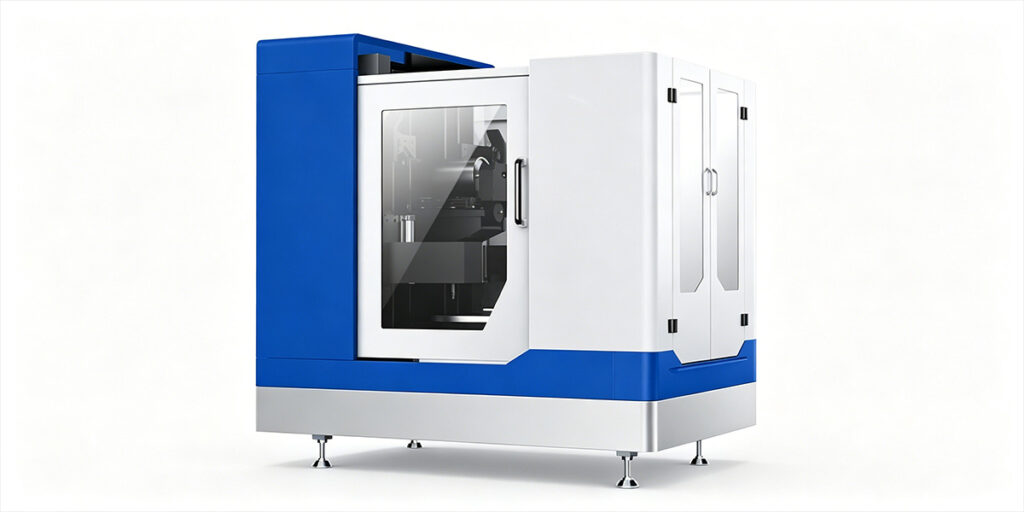
Applications of Corrugated Paper Cutting
Corrugated paper cutting technology is used in many different types of production.
Custom Packaging
Custom cutting allows manufacturers to produce packaging shapes that are different from standard cartons.
Protective Inserts
Corrugated board can be cut into dividers, pads, supports, and custom inserts for industrial and consumer products.
Prototyping
Digital cutting and other flexible methods allow packaging designers to test new shapes without investing in large quantities of tooling.
Retail Displays
Retail displays often require complex profiles, openings, folds, and graphic surfaces. Accurate cutting is important for proper assembly.
Industrial Packaging
Heavy-duty corrugated structures may require specialized cutting processes when the material is thick or the geometry is unusual.
Paper-Based Functional Products
Corrugated and structured paper materials can also be used for educational products, models, furniture components, displays, and other applications beyond traditional shipping boxes.
Frequently Asked Questions About Corrugated Paper
What is corrugated paper?
Corrugated paper is a paper-based material with a fluted or wave-shaped structure. It is commonly used as the corrugated medium in corrugated board and packaging products.
What is corrugated paper made of?
Corrugated board is generally made from flat linerboards and one or more fluted corrugated mediums. Different paper grades and grammages can be selected according to the required strength and application.
What is the difference between corrugated paper and cardboard?
Corrugated paper usually refers to a fluted paper material or corrugated medium, while corrugated cardboard generally refers to the finished layered board made from liners and fluted medium. Cardboard is a broader term that can also describe non-corrugated paperboard.
What are the main types of corrugated board?
The main wall constructions are single-wall, double-wall, and triple-wall. Single-face board is another construction consisting of one liner and one fluted medium.
What are A, B, C, E, and F flute?
A, B, C, E, and F describe different corrugated flute profiles. A flute is relatively thick and provides good cushioning, C flute offers balanced performance, while E and F flute are much finer and are often used for retail and specialty packaging.
Which flute type is best for shipping boxes?
C flute is widely used for general shipping because it provides a practical balance between cushioning, strength, and weight. However, the best flute depends on product weight, box dimensions, stacking requirements, shipping conditions, and packaging design.
How is corrugated paper recycled?
Used corrugated packaging can be collected, sorted, pulped, screened, and processed into recovered paper fibers. Recycling performance depends on contamination, coatings, adhesives, and other materials present in the product.
What is the best cutting method for corrugated paper?
There is no single best method. Die cutting and slitting are widely used for high-volume packaging, CNC knife cutting is useful for flexible and short-run production, and other technologies may be suitable for specialized applications.
How do you cut thick corrugated paper without crushing the flutes?
Use a cutting process that matches the board thickness and structure, minimize unnecessary mechanical pressure, support the workpiece properly, and optimize cutting parameters. For thick or specialized structures, the actual material should be tested before selecting the final cutting method.
Can corrugated paper be cut using a CNC machine?
Yes. CNC knife systems and other CNC-controlled cutting technologies can be used for many corrugated paper and board applications. The appropriate system depends on the board structure, thickness, cutting geometry, production volume, and required edge quality.
Can diamond wire cut corrugated paper?
Diamond wire can be considered for selected corrugated paper and structured paper applications, but it should not be regarded as a universal replacement for conventional packaging cutting equipment. Its suitability depends on the material structure and the required cutting process. Testing the actual material is recommended before selecting the wire and machine configuration.
Conclusion
Corrugated paper is more than a simple packaging material. Its performance depends on the interaction between linerboard, fluting, flute profile, wall construction, paper grade, moisture, and processing conditions.
A, B, C, E, and F flute materials serve different purposes, while single-wall, double-wall, and triple-wall structures provide different levels of strength and cushioning. These differences also influence the way the material should be cut and converted.
For standard high-volume packaging, die cutting, rotary die cutting, and slitting remain practical choices. CNC knife cutting can provide greater flexibility for prototypes and custom designs, while laser, waterjet, and diamond wire technologies may have roles in more specialized applications.
When selecting a corrugated paper cutting machine, the most important factors are not simply cutting speed or machine size. Material thickness, flute type, board construction, cutting geometry, production volume, edge-quality requirements, tool specifications, and material waste should all be considered.
For specialized precision cutting applications, Zelatec provides diamond wire cutting equipment and diamond wire loops designed for different material-processing requirements. The right configuration depends on the specific material and cutting objective, so testing the actual workpiece is the best way to determine a suitable solution.