Silicon is a high-value material, and every cutting process removes part of it. For manufacturers processing silicon ingots, improving yield is not simply about cutting faster. It is about getting more usable material from each ingot while maintaining stable quality throughout the process.
Kerf loss, material waste, edge chipping, cracking, surface damage, and cutting efficiency all affect the final economic value of a silicon ingot. A process that appears faster at the cutting stage may actually reduce overall yield if it creates excessive material loss or increases the amount of downstream grinding, polishing, or rejection.
This is why diamond wire slicing has become an important technology for silicon processing. Compared with older cutting methods, diamond wire can provide a narrow cutting path, controlled material removal, and efficient processing of hard and brittle materials. When the machine, wire, and process parameters are properly matched, diamond wire slicing can help manufacturers improve material utilization and achieve more consistent cutting results.
This article explains the main factors that affect silicon ingot yield, how advanced diamond wire slicing works, and what practical steps can be taken to reduce material loss and improve cutting quality.
Why Silicon Ingot Yield Matters
Silicon ingot yield is often discussed in terms of how much usable material can be obtained from a given ingot. However, yield is influenced by much more than the final number of wafers or sections produced.
A complete view of yield should consider:
- Material utilization
- Kerf loss
- Cutting losses
- Reject rates
- Edge chipping and cracking
- Surface damage
- Dimensional consistency
- Material removed during downstream processing
In other words, a high cutting speed does not always mean a high overall yield.
For example, increasing feed rate may shorten the cutting cycle, but excessive feed can increase cutting force and lead to greater surface damage or a higher risk of cracking. The material may then require additional processing or, in more serious cases, become unusable.
For silicon manufacturers, the goal is therefore not simply to maximize throughput. The goal is to optimize the balance between productivity, material utilization, cutting quality, and process stability.
This becomes increasingly important as manufacturers seek to reduce material consumption and improve the economic efficiency of semiconductor, photovoltaic, and advanced material production.
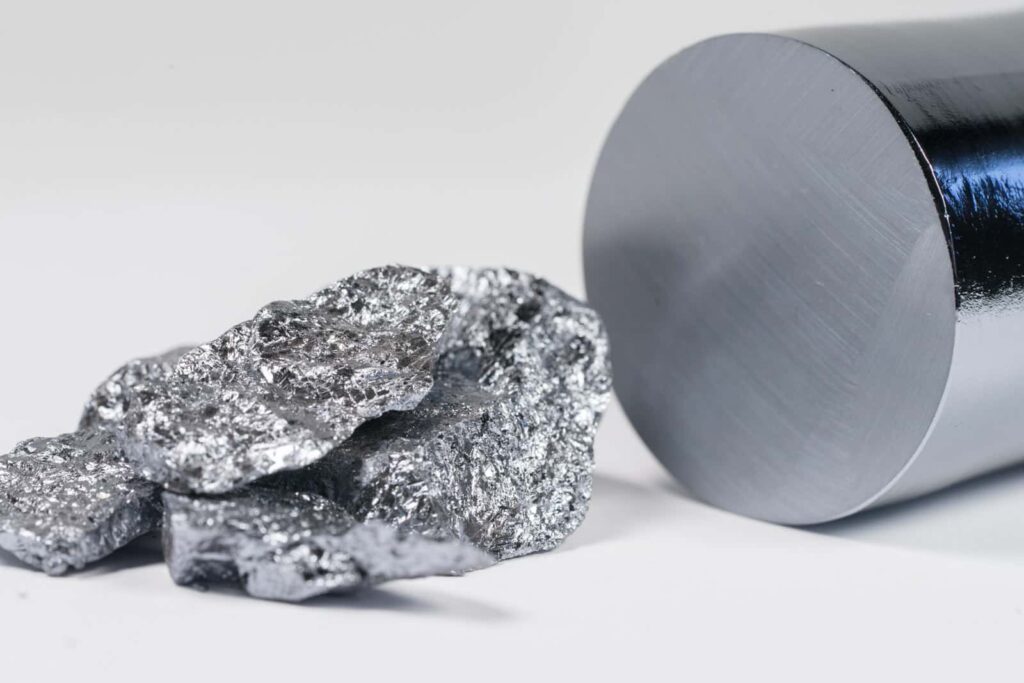
The Evolution of Silicon Ingot Cutting Technology
Silicon cutting technology has changed significantly as the industry has placed greater emphasis on efficiency and material utilization.
Traditional cutting methods have included blade-based processes and loose-abrasive or slurry-based wire cutting. These technologies have played an important role in silicon processing, but they can involve limitations related to cutting efficiency, abrasive consumption, material loss, and process management.
Diamond wire technology introduced a different approach.
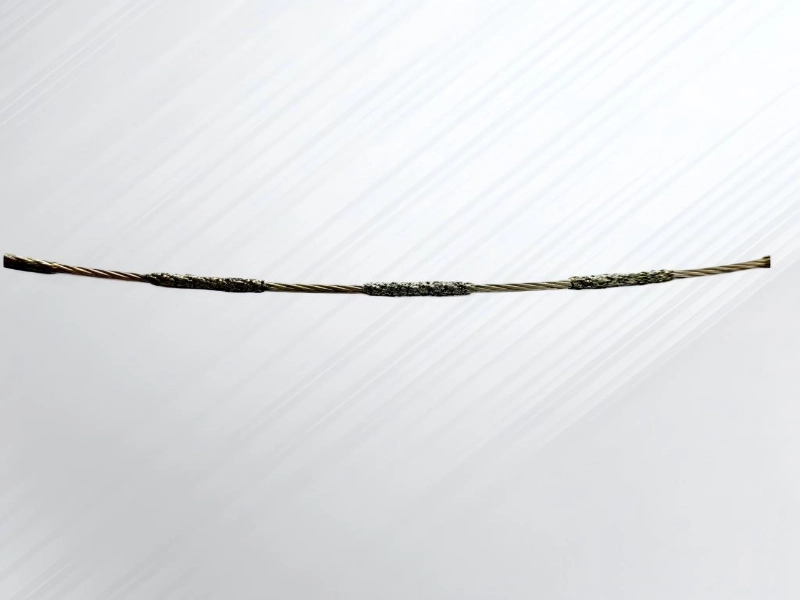
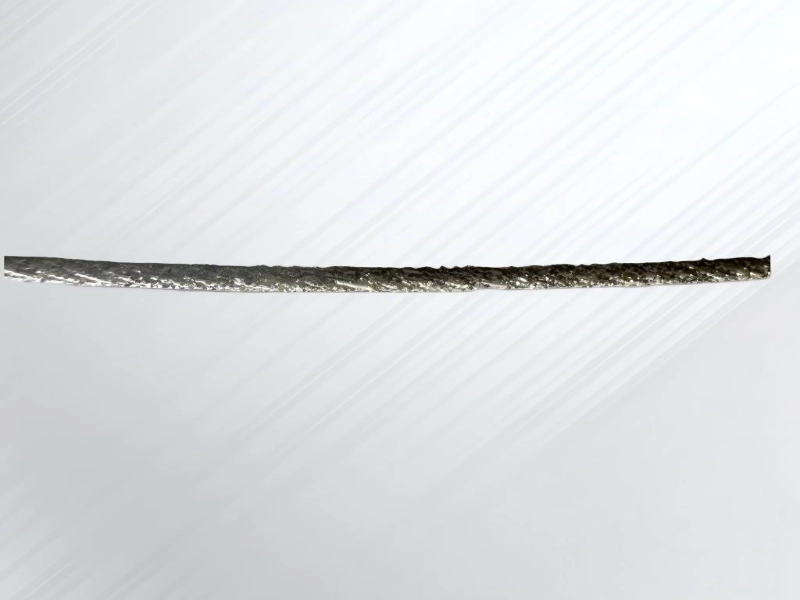
Instead of relying on a loose abrasive slurry, diamond abrasive particles are fixed to the cutting wire. The wire itself becomes the cutting tool. As the wire moves across the silicon, the diamond particles remove material from the workpiece.
This approach can offer several practical advantages:
- A relatively narrow cutting path
- Controlled abrasive action
- Higher cutting efficiency in suitable applications
- Reduced dependence on slurry abrasives
- Improved process control
- Potential for better material utilization
Today, diamond wire cutting is widely used in the processing of silicon and other hard and brittle materials. However, achieving good results depends on more than simply using a diamond wire. The machine, wire specifications, cutting parameters, cooling conditions, and workpiece characteristics all need to work together.
Where Does Material Loss Occur During Silicon Ingot Slicing?
Material loss can occur at several stages during silicon ingot cutting. Understanding where the loss occurs is the first step toward improving yield.
Kerf Loss
Kerf loss is one of the most important factors in silicon slicing.
Every cutting wire has a physical width, and material is removed along the cutting path. The wider the effective kerf, the more silicon is converted into cutting debris.
For high-value materials, even relatively small reductions in kerf width can have a meaningful effect on material utilization when repeated across many cuts.
However, a thinner wire is not automatically the best choice for every application. Wire diameter must be balanced against:
- Mechanical stability
- Cutting load
- Wire life
- Required cutting accuracy
- Workpiece dimensions
- Process conditions
The goal is not simply to use the thinnest possible wire, but to select a wire configuration that provides an efficient balance between narrow kerf and stable cutting performance.
Chipping and Edge Damage
Edge chipping is another source of material loss.
During silicon ingot sectioning, cropping, or shaping, mechanical stress can cause small pieces of material to break away from the edges. Depending on the application, damaged edges may require additional trimming or processing.
Excessive chipping can also create quality problems for subsequent operations.
Controlling cutting force, wire condition, feed rate, and machine vibration can help reduce the risk of edge damage.
Cracking and Micro-Cracks
Silicon is hard and brittle. Unlike more ductile materials, it has limited ability to deform before fracture.
If cutting forces become excessive or unstable, cracks may form during processing. Some cracks are visible immediately, while others may exist below the surface and become more significant during later manufacturing stages.
Micro-cracks can affect:
- Mechanical strength
- Downstream processing
- Final product reliability
- Overall material yield
This is why process stability is an important part of yield optimization.
Excessive Surface Damage
The condition of the cut surface also affects total material utilization.
If the slicing process creates a heavily damaged surface or excessive roughness, more material may need to be removed during grinding, lapping, or polishing.
A cutting process that removes less material during slicing but creates significant subsurface damage may not provide the best overall yield.
For this reason, yield optimization should consider both the immediate cutting result and the amount of material lost during subsequent processing.
How Diamond Wire Slicing Works
Diamond wire slicing uses a wire with diamond abrasive particles to cut through the material.
As the wire moves across the silicon surface, the diamond particles interact with the material and gradually remove it along the cutting path. The process is particularly suitable for hard and brittle materials because diamond has a high hardness and can effectively remove materials such as silicon, silicon carbide, sapphire, ceramics, quartz, and other advanced materials.
The cutting process involves several key elements:
Diamond Abrasive Particles
The diamond particles perform the actual cutting work.
Their size, concentration, bonding method, and distribution can affect cutting efficiency and surface quality. Different applications may require different abrasive characteristics.
Wire Movement
The movement of the wire creates continuous interaction between the abrasive particles and the silicon.
Depending on the machine design, the wire may operate in a reciprocating or continuous configuration.
Material Removal
As the wire passes through the silicon, material is removed from the cutting zone.
The cutting result depends on the interaction between the abrasive, the wire, the workpiece, and the selected process parameters.
Continuous Slicing
Stable wire movement is important for maintaining consistent cutting conditions.
Changes in wire speed or tension can affect the cutting path and surface quality. Stable motion control can therefore help improve consistency.
A Narrow Cutting Path
Compared with thicker cutting tools, a properly selected diamond wire can provide a relatively narrow kerf.
This is one of the main reasons diamond wire technology is valuable for high-value materials where material utilization is important.
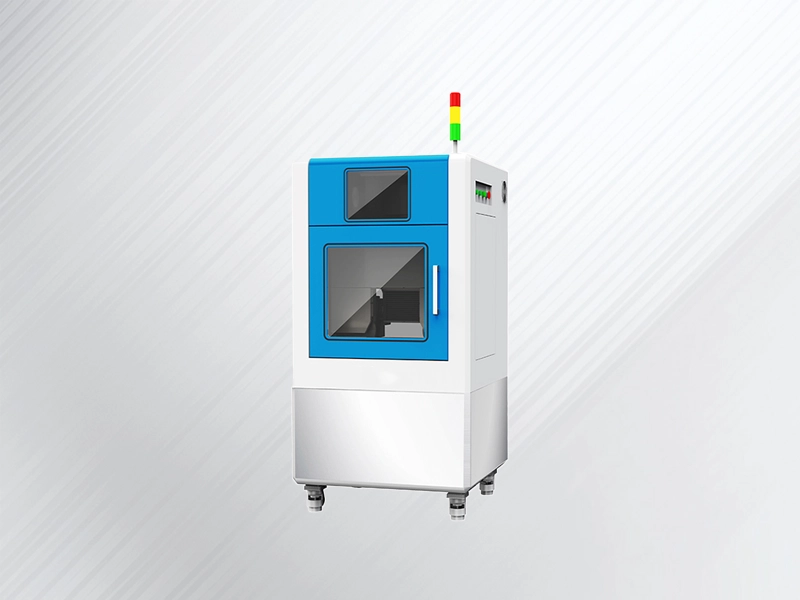
For manufacturers processing silicon and other hard and brittle materials, a suitable [Diamond Wire Cutting Machine] can provide the mechanical stability, motion control, and process flexibility required for different cutting applications.
How Diamond Wire Slicing Can Improve Silicon Ingot Yield
Diamond wire slicing can improve silicon ingot yield in several ways when the process is properly optimized.
Narrower Kerf Width
A narrower cutting path generally means less material is removed during each cut.
Over multiple slices, reducing unnecessary kerf loss can help increase the amount of usable material obtained from a silicon ingot.
The practical benefit depends on the selected wire diameter and the overall cutting process.
Controlled Material Removal
Diamond wire technology allows the cutting process to be adjusted through parameters such as:
- Wire speed
- Feed rate
- Wire tension
- Abrasive characteristics
- Cooling conditions
This allows manufacturers to optimize the process according to the material and the desired cutting result.
Reduced Mechanical Stress
Compared with some conventional cutting methods, diamond wire slicing can provide a more controlled material removal process.
When cutting parameters are properly selected, this can help reduce excessive mechanical stress and lower the risk of cracking or chipping.
However, the actual result remains application-dependent. Poor parameter selection can still cause material damage.
Improved Cutting Consistency
Stable machine movement and consistent wire performance can help reduce variation between cuts.
Improved consistency can support:
- More predictable dimensions
- More uniform surface quality
- Lower rejection rates
- More stable downstream processing
Better Surface Quality
A well-controlled cutting process can reduce unnecessary surface damage.
This may reduce the amount of material that needs to be removed during subsequent processing stages.
For manufacturers focused on maximizing yield, surface quality should therefore be evaluated together with cutting speed and kerf loss.
Key Factors That Affect Silicon Ingot Yield
Several process variables directly affect silicon ingot slicing quality and material utilization.
1. Diamond Wire Diameter
Wire diameter has a direct relationship with kerf width.
A thinner wire can reduce the amount of material removed during cutting. However, wire selection must also consider stability and cutting performance.
A wire that is too thin for the application may experience:
- Reduced stability
- Higher risk of breakage
- Difficulty maintaining cutting accuracy
A thicker wire may provide greater mechanical strength but can increase kerf loss.
The best choice depends on the workpiece size, cutting load, and required process stability.
2. Diamond Grit Size
Diamond grit characteristics influence the interaction between the wire and the silicon.
Abrasive selection can affect:
- Cutting efficiency
- Surface quality
- Material removal behavior
- Tool wear
Coarser and finer abrasive configurations may provide different results depending on the required balance between productivity and surface quality.
3. Wire Speed
Wire speed is an important productivity parameter.
If wire speed is too low, cutting efficiency may be limited.
If wire speed is increased excessively, however, wire wear, heat generation, and process instability may become more significant depending on the application.
The goal should be to identify a stable operating range rather than simply maximizing wire speed.
4. Feed Rate
Feed rate influences the amount of cutting load applied to the material.
A higher feed rate can increase productivity, but it may also increase cutting forces and the risk of:
- Surface damage
- Chipping
- Cracking
- Wire overload
Feed rate should therefore be optimized according to the silicon dimensions, wire specifications, and required surface quality.
5. Wire Tension
Stable wire tension is essential for controlled cutting.
If the tension is too low, the wire may deflect excessively and affect cutting accuracy.
If the tension is too high, the risk of wire breakage may increase.
Changes in tension during cutting can also contribute to inconsistent cutting behavior.
For precision silicon processing, stable tension control can help reduce variation and support a more predictable cutting path.
6. Cooling and Process Conditions
Cooling and debris removal are important in silicon slicing.
The cutting zone must be managed to help control heat and remove silicon particles generated during the process.
Effective process conditions can influence:
- Temperature
- Debris accumulation
- Wire performance
- Surface quality
- Cutting stability
The appropriate cooling and flushing strategy depends on the specific equipment and application.
The Role of Diamond Wire Loops in Precision Silicon Slicing
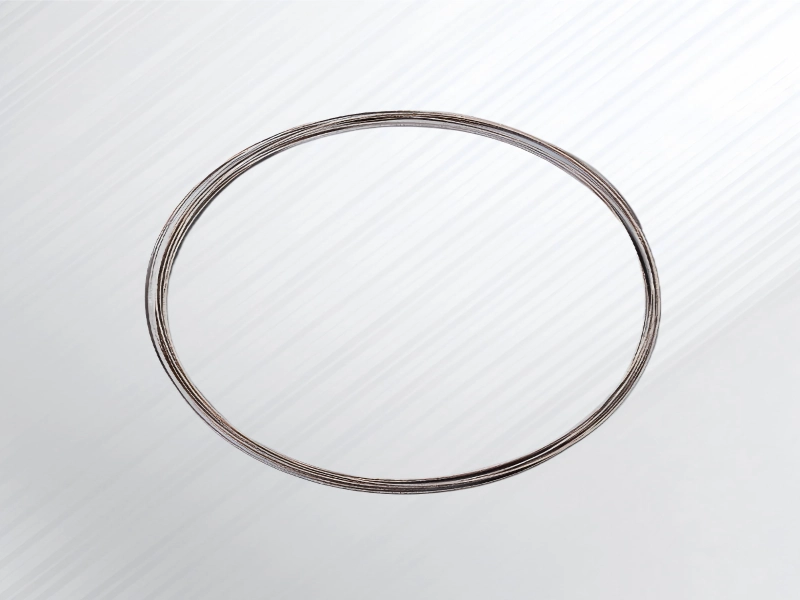
An endless diamond wire loop is a continuous closed-loop cutting wire designed for compatible cutting systems.
Unlike a reciprocating wire, an endless loop can move continuously in one direction. This can be useful in applications where stable, continuous wire movement is required.
Potential advantages in suitable applications include:
- Continuous cutting motion
- No repeated direction changes
- Stable process conditions
- High cutting speed potential
- Consistent interaction between the wire and material
Endless diamond wire configurations can be suitable for specific cutting applications where continuous wire movement and stable cutting conditions are required.
However, they are not automatically the best choice for every silicon cutting process.
Wire selection should consider:
- Material dimensions
- Required cutting geometry
- Machine configuration
- Production requirements
- Surface quality targets
- Cutting speed requirements
A suitable [Diamond Wire Loop] should therefore be selected as part of the complete cutting system rather than as an isolated component.
Advanced Diamond Wire Slicing Techniques for Higher Yield
Improving yield requires more than selecting a high-quality wire. Advanced process control can make a significant difference.
Constant and Stable Tension Control
Fluctuating wire tension can affect the cutting path and contribute to inconsistent surface conditions.
Stable tension control can help maintain more consistent wire movement throughout the cutting cycle.
In advanced systems, closed-loop monitoring can support more consistent tension conditions and help reduce the effects of process variation.
High-Speed Continuous Cutting
Continuous wire configurations can be useful for applications requiring uninterrupted cutting movement.
Compared with repeated directional changes, a continuous cutting system avoids the mechanical transition associated with reversing the wire direction.
For suitable silicon ingot cropping, sectioning, or shaping applications, this can support efficient and stable processing.
Actual operating speed should always be selected according to the machine design, wire specifications, workpiece dimensions, and process requirements.
Dynamic Feed Rate Control
Silicon ingots may have different geometries depending on the processing stage.
The effective cutting area can change as the wire moves through the material. Maintaining exactly the same feed rate throughout the entire cutting cycle may not always provide the best result.
Dynamic feed control can adjust the cutting load according to changing conditions.
This can help balance:
- Cutting efficiency
- Wire load
- Surface quality
- Process stability
Cooling and Debris Flushing Optimization
Silicon debris generated during cutting must be effectively managed.
Poor debris removal can interfere with the cutting process and affect surface quality.
Optimizing cooling and flushing conditions can help maintain a cleaner and more stable cutting zone.
Diamond Wire Slicing vs Conventional Cutting Methods
The following comparison provides a general overview. Actual performance depends on the specific equipment, material, and process conditions.
| Factor | Diamond Wire Slicing | Diamond Blade Cutting |
|---|---|---|
| Kerf width | Generally narrower | Often wider |
| Material utilization | Potentially higher | Depends on blade thickness and application |
| Cutting force | Can be lower in suitable processes | May be higher depending on the process |
| Hard and brittle materials | Highly suitable | Commonly used |
| Process flexibility | High | Application-dependent |
| Tool configuration | Wire-based | Blade-based |
| Cutting path | Can be narrow and flexible | Defined by blade geometry |
Neither method is universally superior.
Diamond wire slicing is particularly attractive when narrow kerf, material utilization, and controlled cutting of hard and brittle materials are important.
Blade cutting may be appropriate for other applications where different production requirements apply.
The correct choice should be based on the specific material and manufacturing objective.
Common Challenges in Silicon Ingot Diamond Wire Slicing
Even advanced diamond wire systems require careful process control.
Wire Wear
The diamond wire gradually wears during use.
Wire performance can change as the abrasive surface is consumed, which may affect cutting efficiency and surface quality.
Regular monitoring can help identify when wire performance is changing.
Wire Breakage
Wire breakage can interrupt production and reduce process efficiency.
Possible contributing factors include:
- Excessive tension
- Improper feed rate
- Excessive cutting load
- Poor wire condition
- Inadequate process stability
The solution is not always to increase wire strength. The complete cutting process should be evaluated.
Uneven Cutting
Uneven cutting can result from machine alignment problems, unstable wire movement, material variation, or inconsistent process parameters.
Precision machine setup and regular maintenance are important for minimizing variation.
Surface Damage
Surface quality can be affected by wire condition, cutting speed, feed rate, abrasive characteristics, and cooling conditions.
The cutting process should be optimized according to the surface requirements of the next manufacturing stage.
Cutting Drift
Wire deflection or unstable cutting forces can cause the cutting path to deviate from the intended position.
Stable tension, appropriate feed control, and sufficient machine rigidity can help reduce this risk.
Balancing Speed and Yield
One of the most common challenges is finding the right balance between productivity and material quality.
Increasing cutting speed may improve throughput, but excessive process parameters can reduce yield.
The most efficient process is often not the fastest process. It is the process that produces the highest amount of usable material per unit of total manufacturing cost.
How to Optimize Diamond Wire Slicing for Higher Yield
The following practical approach can help manufacturers improve their silicon slicing process.
Step 1: Evaluate Silicon Material Properties
Begin by understanding the material.
Consider:
- Silicon type
- Material dimensions
- Crystal characteristics
- Required final dimensions
- Surface quality requirements
The cutting process should be selected according to the actual workpiece rather than using a single parameter set for every application.
Step 2: Select the Appropriate Wire
Choose the wire based on the required balance between:
- Kerf width
- Cutting efficiency
- Mechanical stability
- Surface quality
- Expected wire life
Wire selection should be matched with the machine and material.
Step 3: Optimize Wire Speed
Start with a stable operating range and evaluate the cutting result.
Increasing speed should be based on actual process data rather than assumptions.
Monitor:
- Cutting time
- Surface condition
- Wire wear
- Process stability
Step 4: Adjust Feed Rate
Feed rate should be optimized to avoid excessive cutting forces.
A controlled adjustment process can help identify a balance between productivity and quality.
Step 5: Monitor Wire Wear
Wire condition should be monitored throughout production.
Changes in cutting performance may indicate that the wire or process parameters need adjustment.
Step 6: Evaluate Surface Quality
Do not evaluate the process only by cutting speed.
Inspect the cut surface and consider:
- Roughness
- Edge condition
- Visible cracking
- Chipping
- Downstream processing requirements
Step 7: Improve the Complete Process
The most important principle is that yield is determined by the complete system.
Machine + Wire + Process Parameters must work together.
Improving only one component may not produce the desired result if the rest of the process remains unstable.
Choosing the Right Equipment for Silicon Ingot Slicing
Equipment selection should begin with the actual processing requirements.
Ingot Dimensions
The machine must have sufficient capacity for the material size and geometry.
Required Cutting Accuracy
Applications requiring tight dimensional tolerances may need higher levels of motion control and machine rigidity.
Production Volume
Research and laboratory applications may prioritize flexibility.
Industrial production may place greater importance on:
- Automation
- Repeatability
- Production efficiency
- Process monitoring
Wire Configuration
The equipment should be compatible with the selected wire system and cutting method.
Depending on the application, this may include different wire configurations or continuous loop systems.
Surface Quality Requirements
If the cut surface will undergo further processing, the required surface condition should be considered during equipment selection.
Future Scalability
Manufacturers should also consider whether production requirements are likely to change.
A machine that can accommodate future process development may provide greater long-term flexibility.
When evaluating a [Diamond Wire Cutting Machine], buyers should consider the complete processing requirement rather than comparing machines only by maximum cutting speed.
Integrating Precision Equipment and Cutting Consumables
High-quality diamond wire alone cannot compensate for insufficient machine rigidity or poor motion control.
Likewise, an advanced cutting machine cannot achieve its full potential if the selected wire is unsuitable for the material or application.
Successful silicon processing depends on the interaction between:
- Machine structure
- Motion control
- Wire characteristics
- Tension management
- Feed control
- Cooling and debris removal
- Workpiece setup
This is why equipment and consumables should be evaluated as a system.
For manufacturers processing multiple hard and brittle materials, it can also be useful to consider different cutting and machining technologies within the same production process.
When CNC Machining Is Needed After Wire Slicing
Diamond wire slicing is primarily used for:
- Sectioning
- Slicing
- Material separation
- Cutting large or brittle materials
However, some components require additional features after the initial cutting stage.
CNC machining may be used for:
- Grooves
- Holes
- Complex contours
- Three-dimensional features
- Secondary finishing operations
In these applications, diamond wire cutting and CNC machining can be complementary.
The process can follow a logical sequence:
Cutting → Secondary Processing
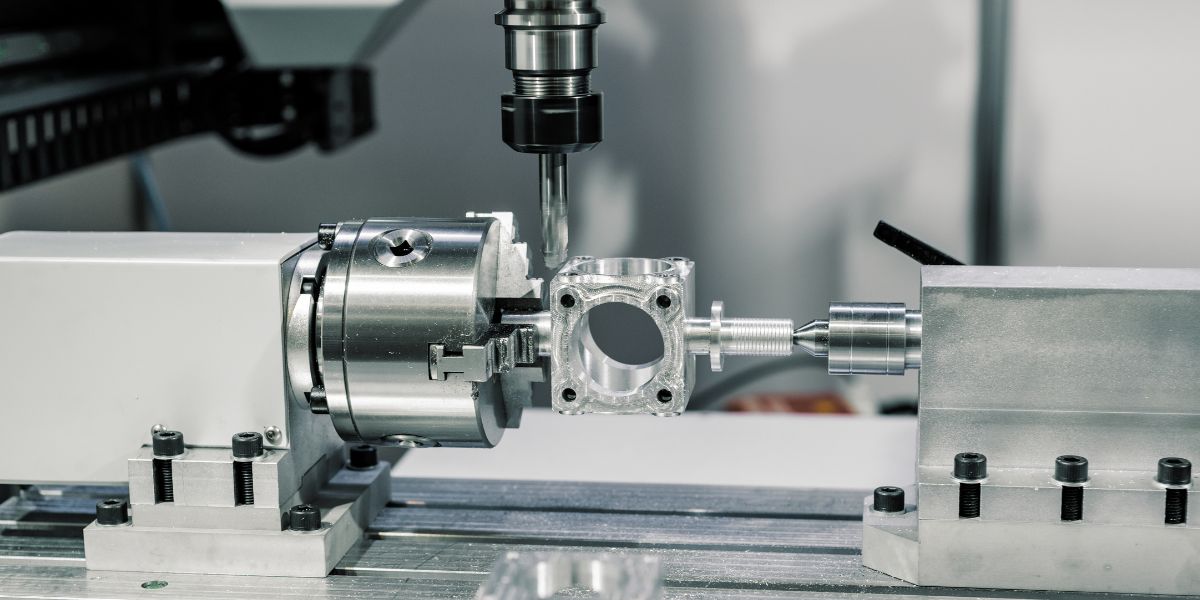
After silicon or another material has been sectioned into the required size, an [Engraving and Milling Machine] may be used when more complex machining features are required.
Future Trends in Silicon Ingot Slicing
Silicon processing technology continues to develop in response to demand for better material utilization, higher precision, and lower manufacturing costs.
Several trends are likely to remain important.
Thinner Wire Technology
Reducing wire diameter can help reduce kerf loss when process stability can be maintained.
Future development will continue to focus on achieving narrower cutting paths without sacrificing wire strength or process reliability.
Improved Diamond Coatings
Advances in diamond coating technology may improve:
- Abrasive retention
- Cutting efficiency
- Wire life
- Surface quality
Higher Automation
Automated loading, positioning, monitoring, and process control can help improve consistency and reduce manual variation.
Process Monitoring
More advanced monitoring systems can provide better information about:
- Wire condition
- Cutting load
- Process stability
- Machine performance
This information can help manufacturers identify problems earlier.
Reduced Material Waste
Material utilization will remain a major priority.
Manufacturers will continue to seek ways to reduce unnecessary kerf loss, surface damage, and downstream processing losses.
Improved Surface Quality
Better control of the cutting process can help reduce damage and minimize the amount of material removed during later processing stages.
Frequently Asked Questions
What is silicon ingot yield?
Silicon ingot yield refers to the amount of usable material obtained from a silicon ingot after cutting and processing. It is affected by kerf loss, cutting damage, rejection rates, surface quality, and downstream material removal.
How can silicon ingot yield be improved?
Yield can be improved by reducing unnecessary material loss, optimizing wire selection, controlling cutting parameters, maintaining stable wire tension, and reducing surface damage and rejection.
What is kerf loss in silicon slicing?
Kerf loss is the material removed along the cutting path. The effective kerf is influenced by the cutting tool or wire and the process conditions. Reducing unnecessary kerf can help improve material utilization.
Why is diamond wire used for cutting silicon?
Diamond wire is suitable for silicon because diamond abrasive particles can effectively remove hard and brittle materials. The technology can also provide a relatively narrow cutting path and controlled material removal.
Does wire diameter affect silicon material loss?
Yes. Wire diameter can affect the width of the cutting path and therefore the amount of material removed. However, thinner wire must be balanced against stability, cutting load, and the risk of breakage.
What causes wire breakage during silicon slicing?
Possible causes include excessive tension, excessive cutting load, unsuitable feed rate, wire wear, machine alignment issues, or unstable process conditions.
What is the difference between silicon ingot slicing and silicon wafer cutting?
Silicon ingot slicing generally focuses on processing larger silicon materials into thinner sections or intermediate pieces.
Silicon wafer cutting focuses on processing already formed wafers, which may involve further precision cutting, dicing, shaping, or separation. The two processes have different material dimensions and technical requirements.
For more information about the later stages of silicon processing, see our upcoming guide to Silicon Wafer Cutting.
How do you choose a silicon ingot cutting machine?
Key considerations include ingot dimensions, required cutting accuracy, production volume, automation requirements, wire configuration, surface quality requirements, and future production scalability.
Conclusion
Maximizing silicon ingot yield requires more than increasing cutting speed. The most effective approach is to reduce unnecessary material loss while maintaining stable cutting quality.
Kerf loss, wire diameter, surface damage, edge chipping, cracking, wire condition, and process parameters all influence the final amount of usable silicon obtained from an ingot.
Diamond wire slicing provides an effective technology for improving material utilization when the complete cutting system is properly optimized. A suitable combination of precision equipment, appropriate diamond wire, stable tension control, optimized feed rates, and effective process management can help manufacturers achieve a better balance between productivity and yield.
For silicon and other hard and brittle materials, the key principle is simple:
The best cutting result comes from optimizing the machine, the wire, and the process as one complete system.
Explore our full range of [precision cutting solutions and processing equipment] to learn more about options for silicon, silicon carbide, sapphire, ceramics, quartz, graphite, and other advanced materials.