What Is a uPVC Window?
A uPVC window (Unplasticized Polyvinyl Chloride) is a high-performance framing solution that has become the global standard for modern construction. Unlike standard PVC, which is flexible and often used for pipes or cables, the “unplasticized” version is specifically engineered without softening agents. This results in a rigid, heavy-duty material that maintains its shape and structural integrity under extreme temperatures.
The primary reason uPVC dominates the window industry is its sheer practicality. It serves as a superior alternative to traditional timber or aluminum, offering an ideal balance of thermal insulation and weather resistance. Because the material is non-corrosive and does not rot, it provides a “set-and-forget” solution for building owners. Whether you are looking for energy efficiency to lower utility bills or a durable frame that requires zero painting, understanding the uPVC window meaning starts with its ability to outperform traditional materials in both longevity and cost-effectiveness.
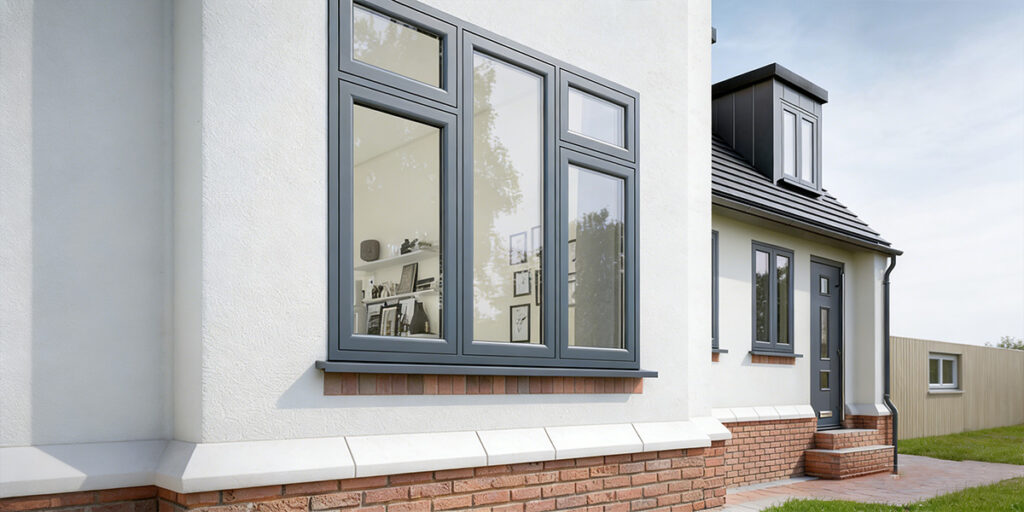
Key Features of uPVC Windows
When evaluating window solutions for modern construction, the key features of uPVC windows stand out because they solve the most common problems associated with traditional materials. Unlike wood that rots or aluminum that conducts heat, uPVC is engineered for high performance across several critical areas.
Superior Thermal and Sound Insulation
The most distinctive internal feature of a uPVC profile is its multi-chambered structure. Instead of being a solid block, the frame is divided into several air pockets. These chambers act as a powerful barrier, significantly reducing heat transfer between the indoors and outdoors. This design is what makes them true energy efficient windows, helping to maintain a consistent indoor temperature and lowering utility costs year-round.
Furthermore, these same air chambers provide excellent acoustic damping. When combined with quality glazing, they create highly effective soundproof windows, making them an ideal choice for urban environments or buildings near busy roads.
Unmatched Durability and Weather Resistance
uPVC is naturally resistant to the elements. It does not react with moisture or oxygen, meaning it will never rust, pit, or corrode—even in harsh coastal environments with high salt spray. High-quality uPVC frames are also treated with UV stabilizers to ensure they don’t become brittle or yellow under intense sunlight. To handle wind pressure and prevent warping in larger frames, a galvanized steel lining is typically inserted into the main chamber, providing the structural “bone” that ensures long-term safety and stability.
Low Maintenance for Long-Term Savings
Perhaps the most practical feature for property owners is that uPVC is virtually maintenance-free. There is no need for the sanding, painting, or sealing that timber requires every few years. The surface is non-porous and resists dirt buildup; usually, a simple wipe with a damp cloth is enough to keep the frames looking new. Because the material does not flake or peel, the aesthetic and functional value of the window remains intact for decades.
Superior Airtightness & Watertightness
Unlike aluminum frames that rely on mechanical joints, uPVC profiles feature fully welded corners created through heat fusion. This seamless, monolithic structure eliminates gaps, virtually guaranteeing zero air leakage or water penetration. Combined with multi-layered EPDM gaskets, uPVC systems provide an impenetrable barrier against the elements, ensuring a quieter, drier, and more energy-efficient interior environment.
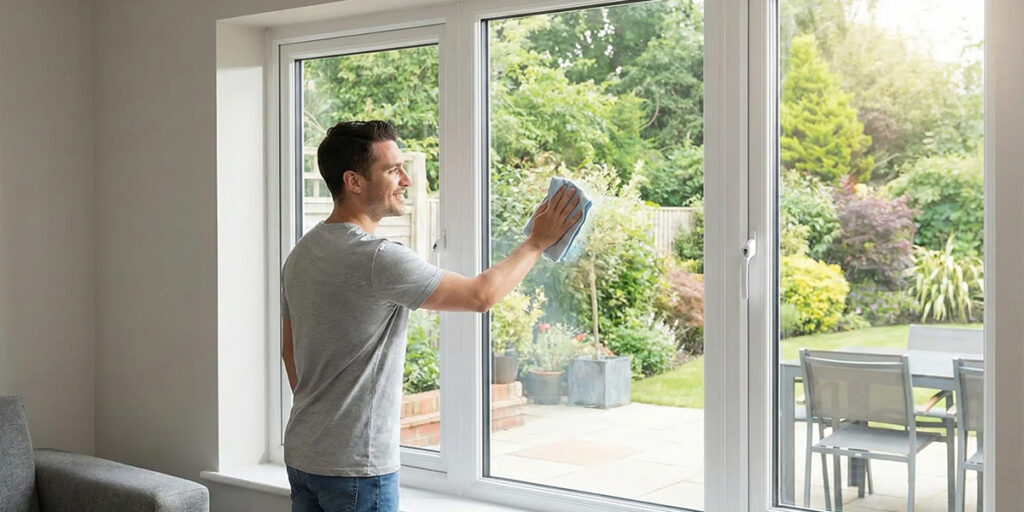
Benefits of uPVC Windows
Choosing uPVC windows is not just about material selection—it directly impacts energy costs, building security, long-term maintenance, and project profitability. Below are the measurable advantages that make uPVC the preferred choice for architects, developers, and window manufacturers.
Energy Efficiency
uPVC windows significantly reduce heating and cooling costs. The multi-chamber profile design traps air in individual cavities, creating a thermal barrier that minimizes heat transfer. When combined with double or triple glazing, these systems achieve U-values as low as 1.0 W/m²K or better—comparable to high-performance insulated walls. For building owners, this translates to lower HVAC operating costs year after year.
Enhanced Security
Unlike basic window materials, uPVC profiles are engineered to accommodate advanced security features. Multi-point locking systems integrate seamlessly into the frame, engaging at multiple points along the sash. Steel reinforcement inside the profile cavities adds structural rigidity, making the frame highly resistant to forced entry. Additionally, uPVC is self-extinguishing and does not support combustion—unlike wood, it will not fuel a fire, providing an extra layer of safety.
Low Maintenance & Durability
uPVC does not require sanding, painting, or sealing. The material contains UV stabilizers that prevent fading and degradation, even after years of direct sunlight. It is also immune to corrosion, rot, and termite damage. A simple wash with soapy water keeps the frames looking new, eliminating the recurring maintenance costs associated with timber or the oxidation issues seen in some aluminum systems.
Sound Insulation
For buildings near airports, highways, or dense urban areas, uPVC windows provide effective noise reduction. The multi-chamber design and airtight seals work together to dampen external sound transmission. Depending on glass configuration and profile design, these windows can reduce outside noise by 30 to 40 decibels, creating quieter, more comfortable indoor spaces.
Cost-Effectiveness & ROI
From a manufacturing and procurement perspective, uPVC offers strong value. Raw material costs are generally lower than aluminum, while the energy efficiency performance—especially thermal insulation—often exceeds what metal frames can achieve. For manufacturers, automated UPVC machining centers enable high-output production with minimal labor, reducing per-unit costs and shortening lead times. Developers benefit from lower material expenses and faster installation cycles.
Eco-Friendly & Recyclable
Sustainability is a growing priority in construction, and uPVC delivers. The material is 100% recyclable; post-consumer or post-industrial uPVC can be ground, pelletized, and reprocessed into new profiles up to seven to ten times without significant loss of properties. Manufacturing also consumes less energy compared to aluminum extrusion, resulting in a lower carbon footprint. For green building projects, uPVC windows contribute to certification goals while supporting circular economy principles.
These benefits—measurable energy savings, security, durability, and environmental performance—explain why uPVC windows continue to gain share in residential, commercial, and institutional construction globally.
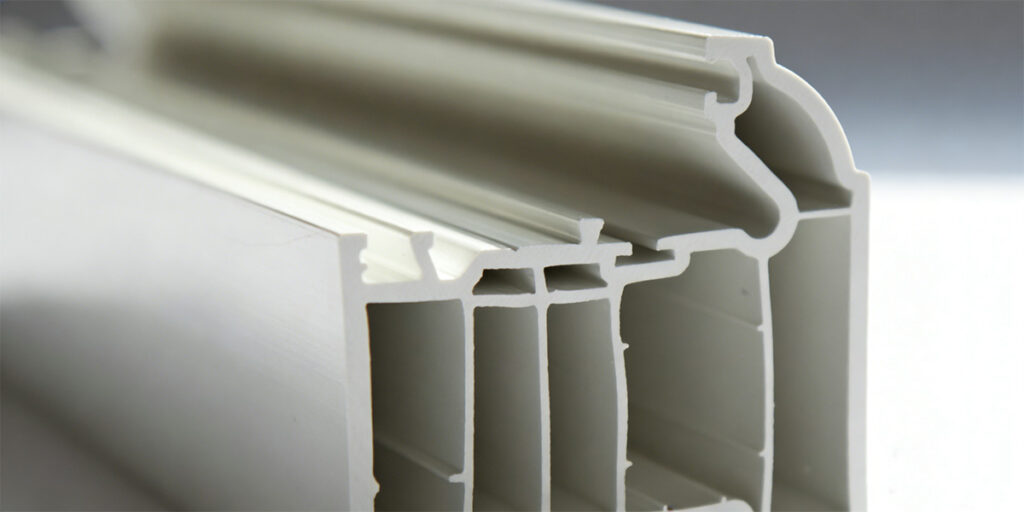
uPVC Windows vs Aluminum and Wood
When selecting window materials for a project—whether residential, commercial, or manufacturing—the choice often comes down to three options: uPVC, aluminum, and wood. Each has its place, but understanding how they compare across key performance factors helps make an informed decision.
| Comparison Factor | uPVC Windows | Aluminum Windows | Wood Windows |
| Thermal Insulation | Excellent. Multi-chamber profiles trap air, achieving low U-values (1.0–1.6 W/m²K). Naturally energy efficient. | Poor without thermal breaks. Standard aluminum conducts heat and cold rapidly, increasing energy costs. | Good. Wood is a natural insulator, but performance depends on thickness and sealing quality. |
| Durability | Very high. Resistant to rot, corrosion, and UV degradation. Does not warp or crack under normal conditions. | High. Resistant to rust, but can corrode in coastal areas without proper coating. Susceptible to thermal expansion. | Moderate. Prone to rot, termites, and moisture damage unless regularly treated and sealed. |
| Maintenance | Very low. No painting or sealing required. Simple cleaning with soapy water is sufficient. | Low to moderate. Requires periodic cleaning; coated finishes may need touch-ups over time. | High. Requires regular sanding, painting or varnishing, and inspection for rot or insect damage. |
| Strength & Security | High with steel reinforcement. Multi-point locking systems integrate easily. Rigid and impact-resistant. | Very high. Naturally strong and suitable for large spans. Steel reinforcement is standard in commercial systems. | Moderate. Strength depends on wood species and joinery. Can be reinforced but remains vulnerable to weathering. |
| Initial Cost | Moderate. Generally lower than high-grade wood or thermally broken aluminum. | Low to high. Standard aluminum is affordable; thermally broken versions increase cost significantly. | High. Quality timber frames are expensive, especially for hardwoods or custom profiles. |
| Lifespan | 30–50 years with minimal degradation. | 30–50 years; depends on coating and environmental exposure. | 20–40 years; heavily dependent on maintenance and climate conditions. |
| Recyclability | 100% recyclable. Post-use material can be ground and reprocessed into new profiles. | 100% recyclable. Aluminum recycling requires significant energy but is widely practiced. | Biodegradable but not easily recycled. Scrap wood is often downcycled or used for fuel. |
Which one should you choose?
For projects prioritizing energy efficiency, low maintenance, and cost predictability, uPVC offers the most balanced solution. It outperforms aluminum in thermal insulation without the ongoing upkeep required by wood. For manufacturers, uPVC also provides consistent material properties and compatibility with automated production lines—making it the practical choice for volume production.
Aluminum remains a strong option for commercial curtain walls or applications requiring very large spans with minimal frame thickness. Wood is often selected for heritage projects or high-end residential work where natural aesthetics outweigh long-term maintenance considerations.
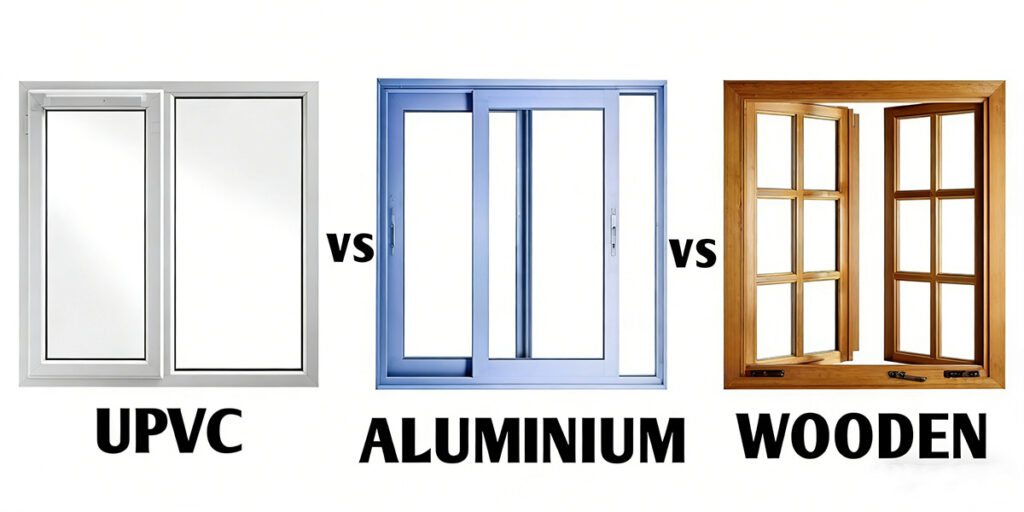
How Are uPVC Windows Made? (Manufacturing Process)
Understanding how uPVC windows are manufactured helps explain why these frames offer such consistent quality, durability, and performance. The process is highly standardized and relies on precision machinery to ensure each window meets exact specifications—from small custom orders to high-volume production runs.
The manufacturing process typically follows five key stages: cutting, machining, welding, corner cleaning, and assembly. Each step directly affects the final product’s strength, appearance, and dimensional accuracy.
Step 1: Cutting the Profiles
Production begins with uPVC profiles—extruded hollow sections that form the frame, sash, and bead components. These profiles arrive in standard lengths and must be cut to precise dimensions.
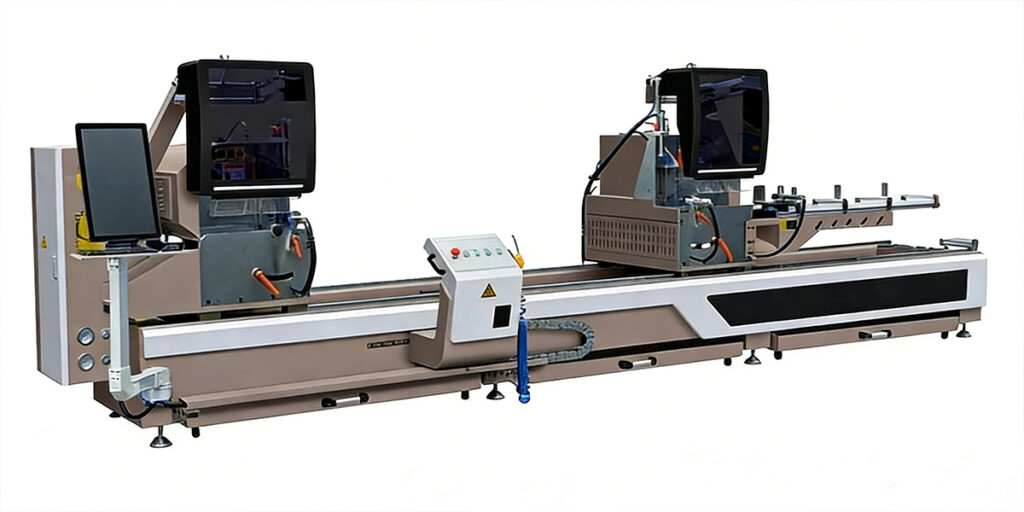
Double-head or single-head cutting saws are used to achieve clean, accurate cuts at specified angles—typically 45 degrees for corners and 90 degrees for frames and sashes. High-quality cutting machines maintain accuracy within ±0.2 mm, which is critical because even small deviations will affect weld strength and frame geometry later in the process.
Step 2: End Milling and Routing
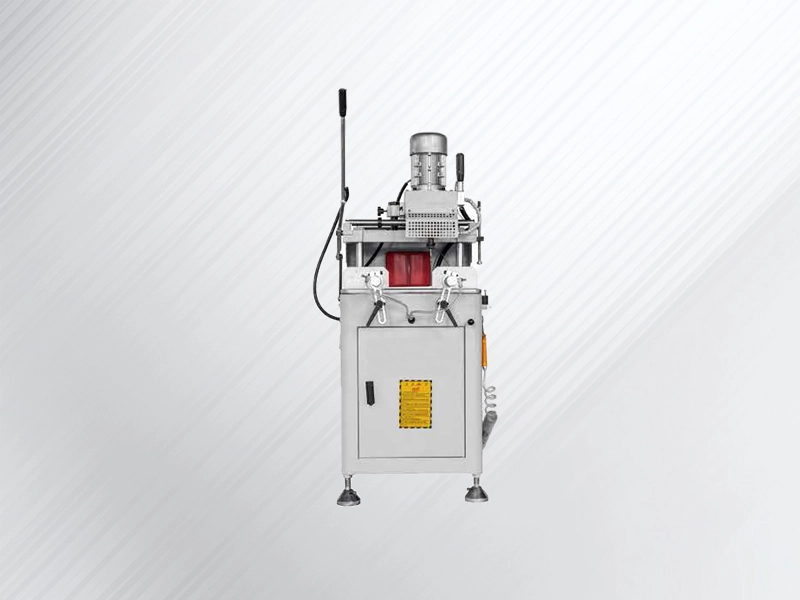
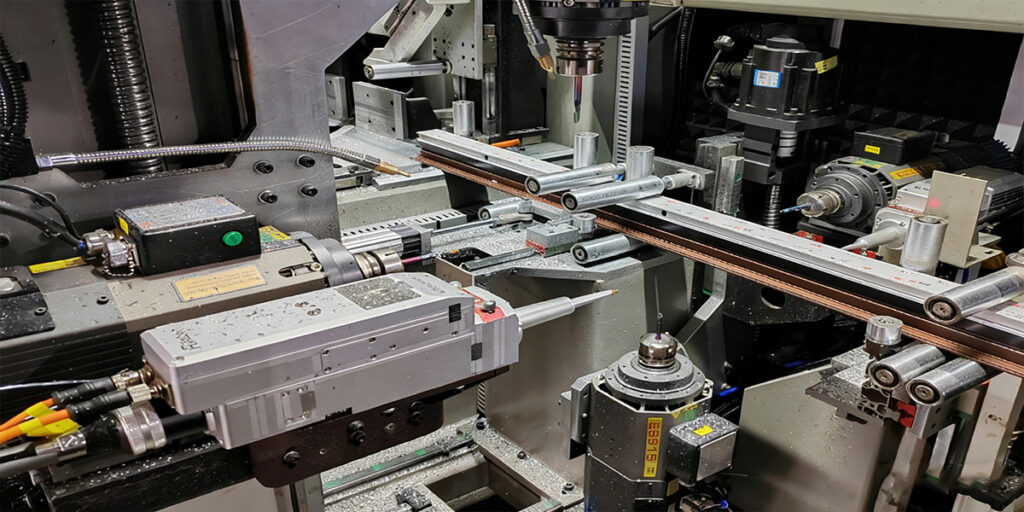
After cutting, profiles often require additional machining to prepare for hardware installation, drainage, or joining with transom bars. End milling machines remove material from profile ends to create clean interfaces for corner welding or to accommodate reinforcing steel.
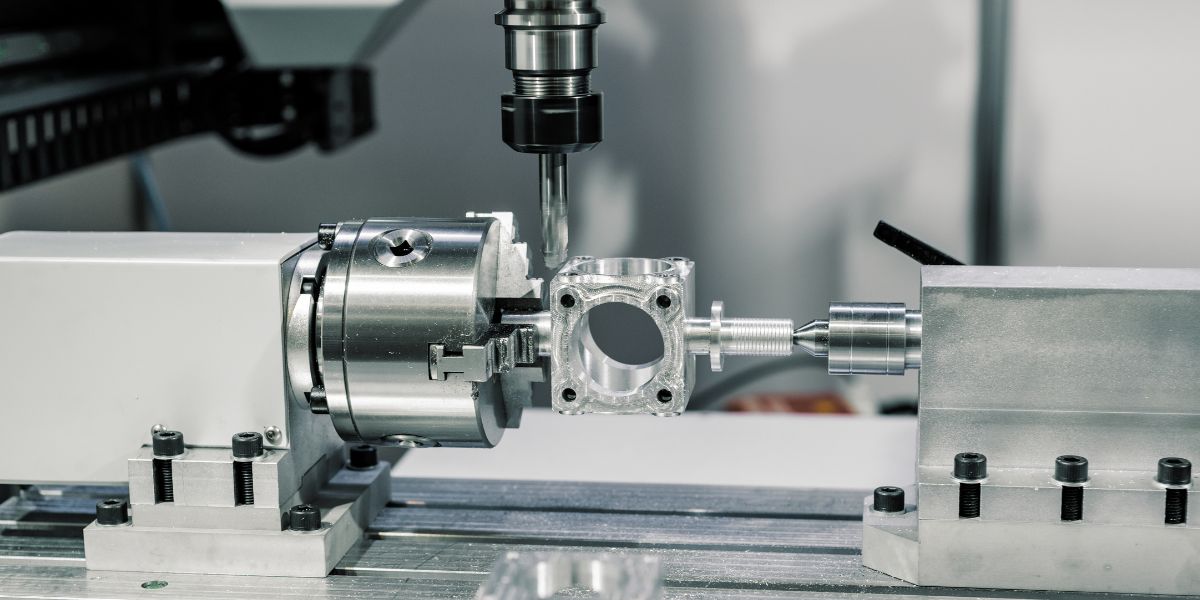
CNC machining centers may also perform routing operations for handles, hinges, and lock mechanisms. This step ensures that all hardware fits precisely without manual adjustment.
Step 3: Steel Reinforcement Insertion
For larger windows or applications requiring extra strength, galvanized steel reinforcements are inserted into the profile cavities. These stiffeners improve wind load resistance and enhance security by providing a solid base for multi-point locking systems. The reinforcement process is typically done before welding.
Step 4: Welding the Corners
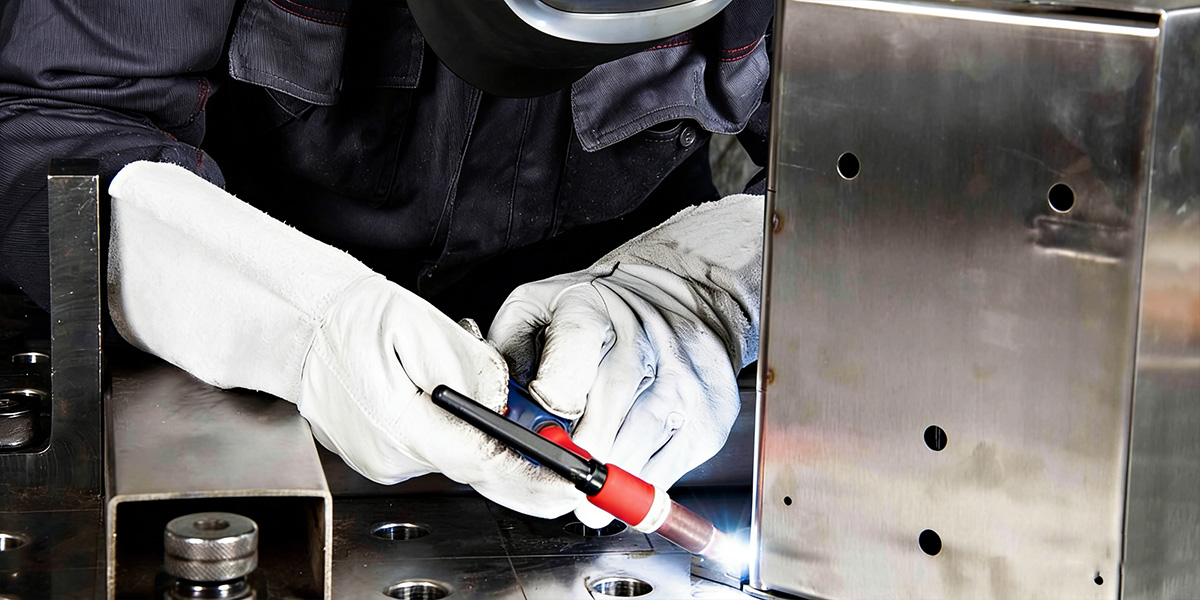
Welding is the most critical step in frame assembly. The cut and machined profile ends are heated on a hot plate until the material reaches its melting point. The heated surfaces are then pressed together under controlled pressure and allowed to cool, forming a permanent, airtight bond.
Single-head welders handle one corner at a time, ideal for custom or low-volume production. Double-head welders weld two corners simultaneously, while four-corner welding machines complete an entire frame in a single cycle—the most efficient solution for high-volume standardized production. Precise temperature, pressure, and cooling time ensure weld strength that matches or exceeds the base material.
Step 5: Corner Cleaning
After welding, excess material—called weld flash or bead—protrudes from each corner. Corner cleaning machines remove this excess, creating smooth, flush surfaces both inside and outside the frame. This step is essential for both appearance and dimensional accuracy. CNC-controlled cleaning machines ensure consistent results across all corners, maintaining frame squareness typically within ±0.2 mm.
Step 6: Sealing and Hardware Installation
Once the frame and sash are welded and cleaned, weather seals are inserted into designated grooves. These seals prevent air and water infiltration. Handles, hinges, and locking mechanisms are then installed. For tilt-and-turn or casement windows, additional assembly ensures smooth operation.
Step 7: Glazing and Final Assembly
The final stage involves inserting the insulated glass unit into the sash or frame. Glazing beads—cut from the same uPVC profiles—snap into place to secure the glass. The completed window is then inspected for dimensional accuracy, weld appearance, and hardware function before packaging and shipment.
Automation and Production Efficiency
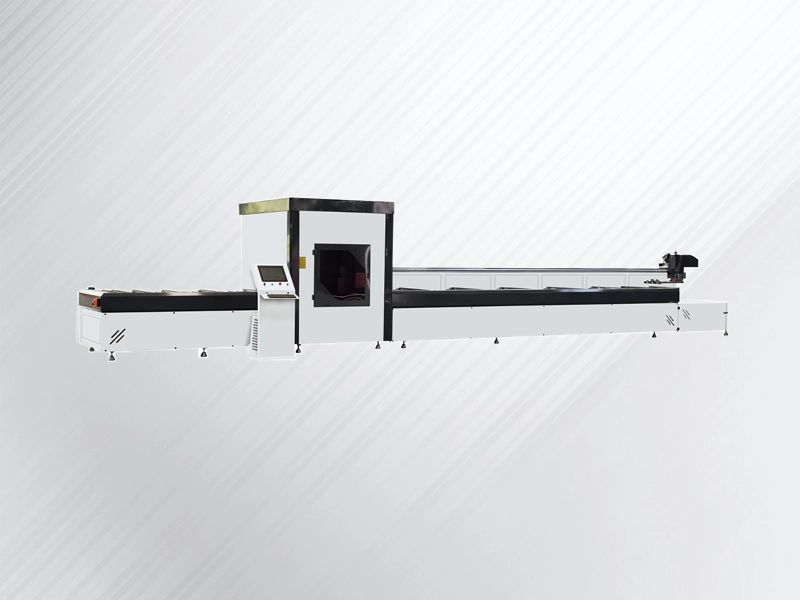
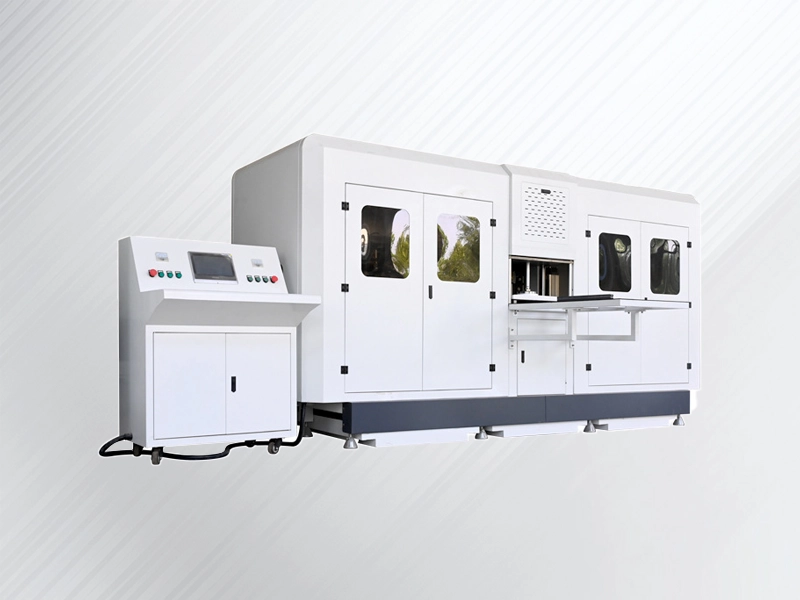
For manufacturers producing windows at scale, automated production lines integrate multiple steps into a continuous workflow. uPVC machining centers combine cutting, milling, and cleaning operations, while automated welding and assembly stations reduce manual handling. These systems not only improve output but also ensure consistent quality across large orders—a key advantage for suppliers serving residential developers and commercial contractors.
The entire process, from profile cutting to finished window, can be completed in minutes per unit when properly configured. This combination of material consistency and precision manufacturing is what makes uPVC windows a reliable, cost-effective solution for modern construction.
What Machines Are Used to Make uPVC Windows?
The precision, durability, and thermal efficiency of a uPVC window depend largely on the manufacturing process behind it. Producing high-quality uPVC windows requires a combination of specialized machinery, each playing a specific role in transforming raw profiles into finished products.
The process typically begins with double-headed miter saws, which cut uPVC profiles to precise angles—usually 45 degrees for frames and sashes. Accuracy at this stage is critical, as even minor errors can affect the final assembly.
Next, corner cleaning machines prepare the cut profiles by removing weld flash and ensuring clean, smooth surfaces. This step is essential for achieving tight, seamless joints.
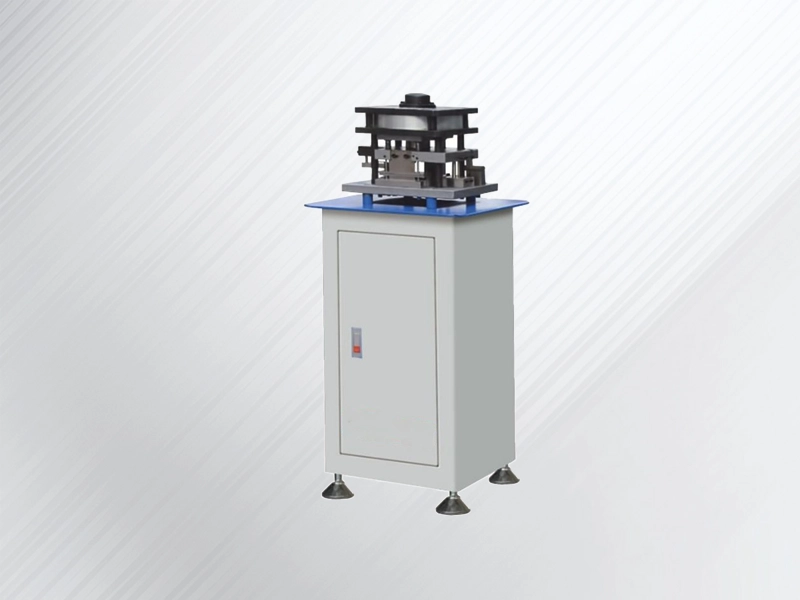
For assembly, four-point welding machines are used to heat and fuse the mitered corners simultaneously. These machines apply controlled pressure and temperature to create strong, airtight welds. After welding, corner crimping or corner cleaning machines remove excess material and refine the joint finish.
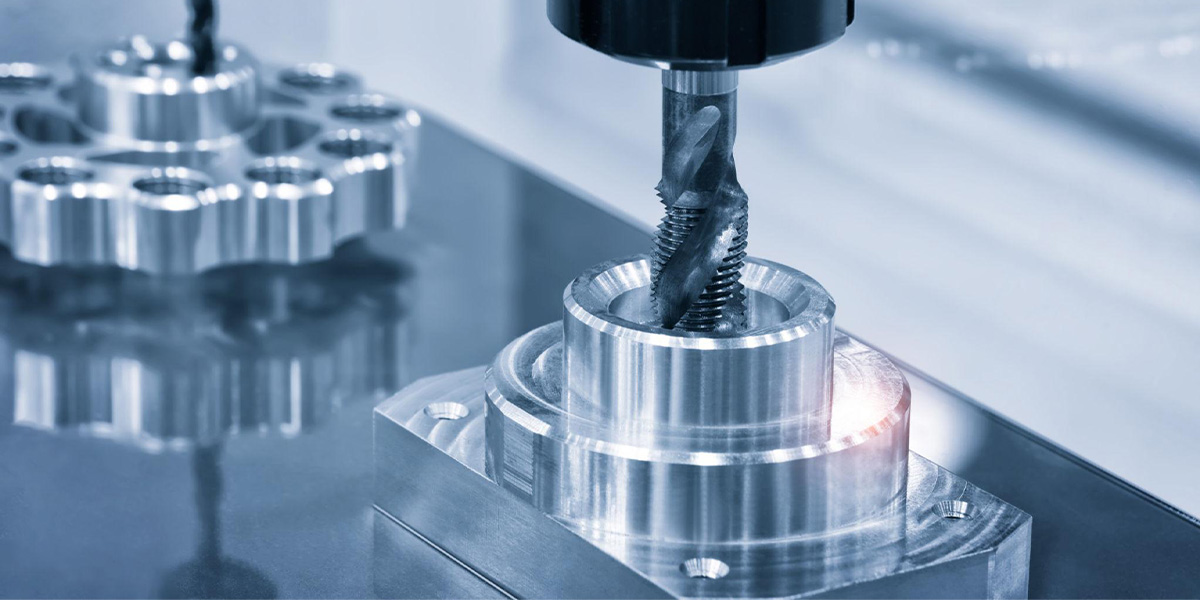
PVC profile machining centers (or end milling machines) handle hardware preparation, drilling holes and routing grooves for hinges, handles, and locks with consistent accuracy.
For glazing, glass handling equipment and manual or automatic glazing tables assist with inserting insulated glass units, while gasket pushing machines ensure proper sealing.
Finally, assembly tables and quality control stations allow workers to inspect dimensions, squareness, and functionality before packaging.
In short, producing reliable uPVC windows isn’t just about the profiles—it’s about having the right machinery and using it with consistency and care. Each machine contributes to the window’s structural strength, weather resistance, and long-term performance.
Applications of uPVC Windows
uPVC windows are widely used across different sectors due to their durability, thermal efficiency, and low maintenance. Their versatility makes them a preferred choice for three main application areas.
Residential
In homes, uPVC windows are valued for energy efficiency, noise reduction, and security. They suit apartments, single-family houses, and renovations where consistent performance and easy upkeep are priorities. Standard profiles and a range of opening styles meet most residential needs.
Commercial
For offices, hotels, schools, and retail spaces, uPVC windows offer a balance of aesthetics and functionality. They support larger glazed areas, provide good thermal insulation to reduce HVAC costs, and meet fire safety and accessibility standards. Custom colors and finishes allow alignment with building design requirements.
Industrial
In industrial settings—such as factories, warehouses, or agricultural buildings—uPVC windows are chosen for their corrosion resistance, strength, and low maintenance. Reinforced profiles withstand harsher conditions, and the material’s resistance to moisture and chemicals makes it suitable for environments where metal windows would degrade quickly.
Understanding these applications helps buyers select the right specifications for their projects, ensuring long-term performance and value.
Cost of uPVC Windows and Production
The cost of uPVC windows and the equipment used to manufacture them varies significantly based on specifications, scale, and production requirements.
End-User Window Pricing
For buyers, uPVC window prices depend on several factors: profile design, glass type (single, double, or triple glazing), hardware quality, and overall dimensions. Standard residential uPVC windows are generally priced in the mid-range compared to other materials—typically more affordable than high-grade timber or thermally broken aluminum, though premium configurations can approach comparable price points. The long-term cost profile is shaped by minimal maintenance requirements and measurable energy savings over the window’s operational life.
Production Equipment Costs
For manufacturers, establishing a uPVC window production line requires investment in specialized machinery. A basic setup—comprising a cutting saw, single-head welder, and corner cleaning machine—represents a lower initial capital outlay suitable for small-scale operations. Mid-tier lines add double-head or four-corner welding machines, end milling units, and CNC cleaning stations. Fully automated lines incorporating machining centers and integrated material handling represent the highest investment level but reduce per-unit labor costs and increase output capacity.
Investment Considerations
The appropriate investment scale depends on target production volume, product complexity, and available floor space. Equipment costs should be evaluated alongside operational expenses—including labor, utilities, and material procurement—to determine overall project feasibility. For manufacturers entering the uPVC window market, starting with core equipment and expanding as order volumes grow is a common approach.
uPVC windows combine energy efficiency, durability, and low maintenance into a practical building solution. For manufacturers, producing quality uPVC windows requires reliable equipment and consistent processes. Whether you are setting up a new production line or expanding existing capacity, the right machinery makes the difference. Contact us to discuss your production needs and equipment requirements.
uPVC Window Installation
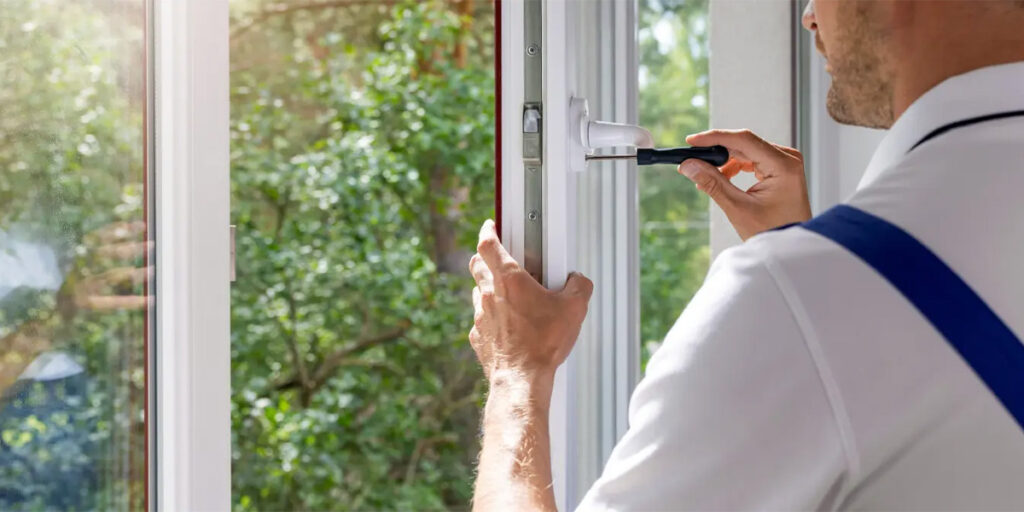
Proper installation is essential to ensure uPVC windows perform as designed. Even the highest-quality frames can underperform if installed incorrectly.
Preparation
Before installation, the opening must be clean, square, and structurally sound. Installers measure the opening and verify that the window dimensions match specifications. Any debris or uneven surfaces are addressed to ensure a proper fit.
Positioning and Fixing
The window frame is placed into the opening and leveled using shims to achieve correct alignment. Fasteners are driven through the frame into the surrounding structure—typically into concrete, brick, or timber framing. For larger windows, steel reinforcements within the profile cavities provide secure anchorage points.
Sealing
Once fixed, gaps between the frame and the wall are filled with expanding foam or compressible sealant strips to prevent air and water infiltration. Exterior seals are applied to create a weathertight barrier. Proper sealing is critical for achieving the thermal and acoustic performance uPVC windows are known for.
Hardware and Final Checks
After sealing, sashes are fitted and hardware—handles, hinges, and locking mechanisms—is adjusted for smooth operation. Installers verify that the window opens, closes, and locks correctly without binding or gaps.
When installed correctly, uPVC windows maintain their dimensional stability and performance for decades, requiring only routine cleaning and occasional hardware adjustment.
Frequently Asked Questions
Yellowing is typically caused by poor-quality profiles lacking adequate UV stabilizers. High-quality uPVC formulations include light stabilizers that prevent discoloration, ensuring frames remain white and consistent for decades under normal conditions.
Modern uPVC windows offer enhanced security. Features such as multi-point locking systems and internal steel reinforcement make them highly resistant to forced entry. Proper installation ensures that the frame and sash are strong, providing both safety and peace of mind for homeowners and businesses.
Automated equipment becomes cost-effective when producing more than 50 to 100 frames per day. For lower volumes, semi-automatic machines offer flexibility with lower capital investment. The threshold depends on labor costs, space, and target market requirements.