Ceramic Cutting Challenges
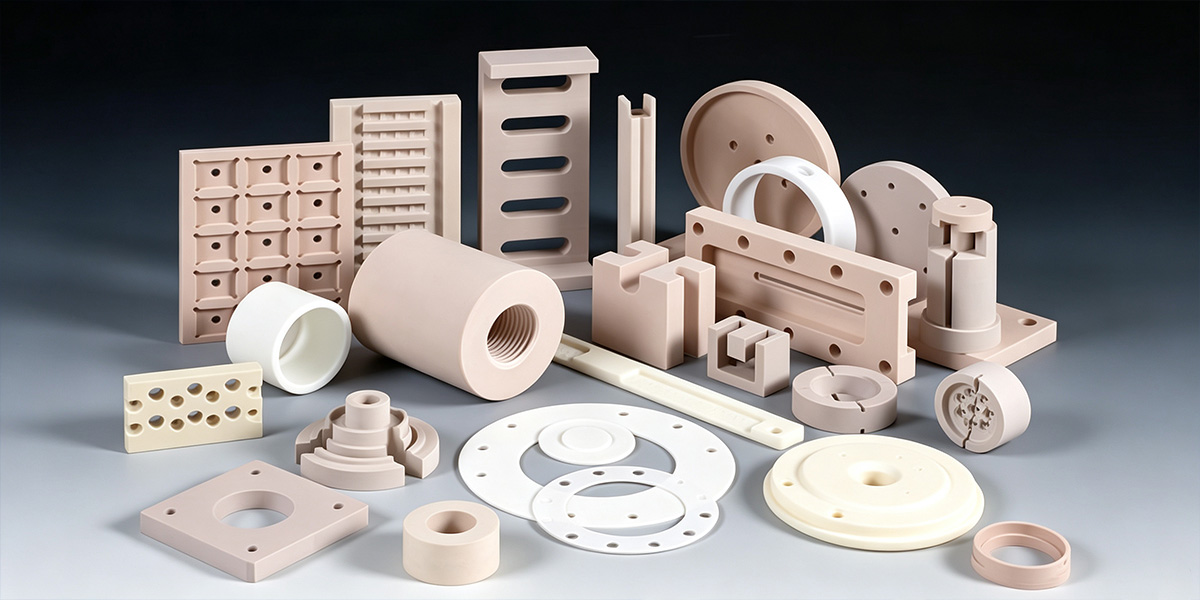
Processing technical ceramics like Alumina, Zirconia, SiC, and Si3N4 poses unique manufacturing hurdles due to their extreme hardness (Mohs 8–9+) and high brittleness.
Conventional cutting techniques frequently cause severe edge chipping, invisible micro-cracks, and thermal shock damage, resulting in costly material scrap.
Additionally, wide kerf loss from thick blades wastes high-value raw material, while rapid tool wear leads to inconsistent slice thickness and costly downtime.
Our Precision Diamond Wire Cutting Solution
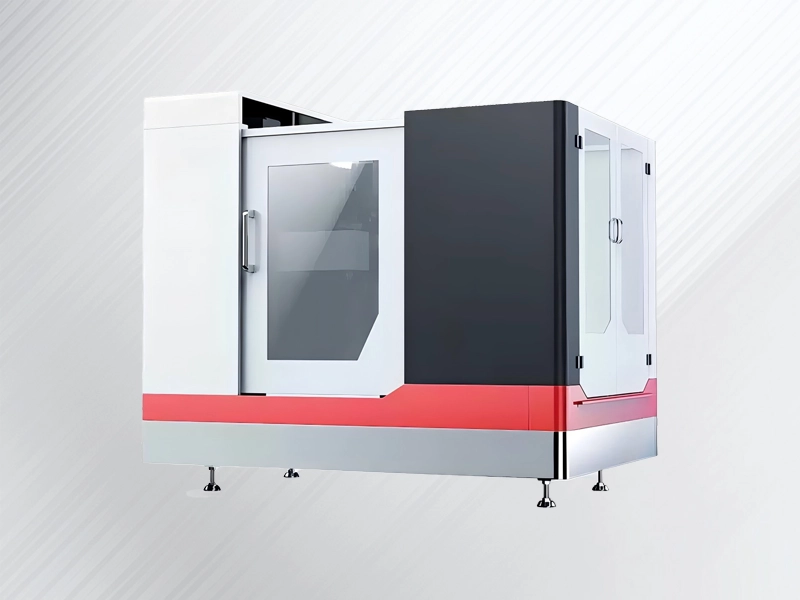
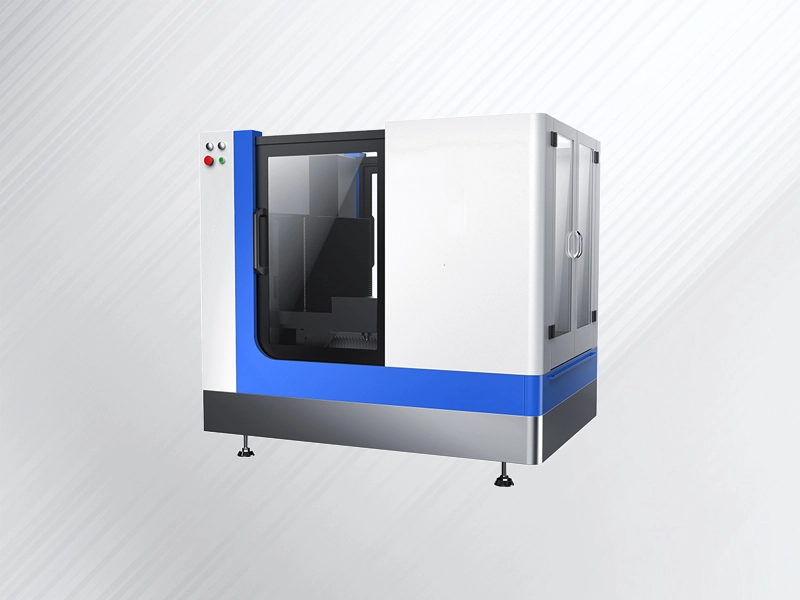
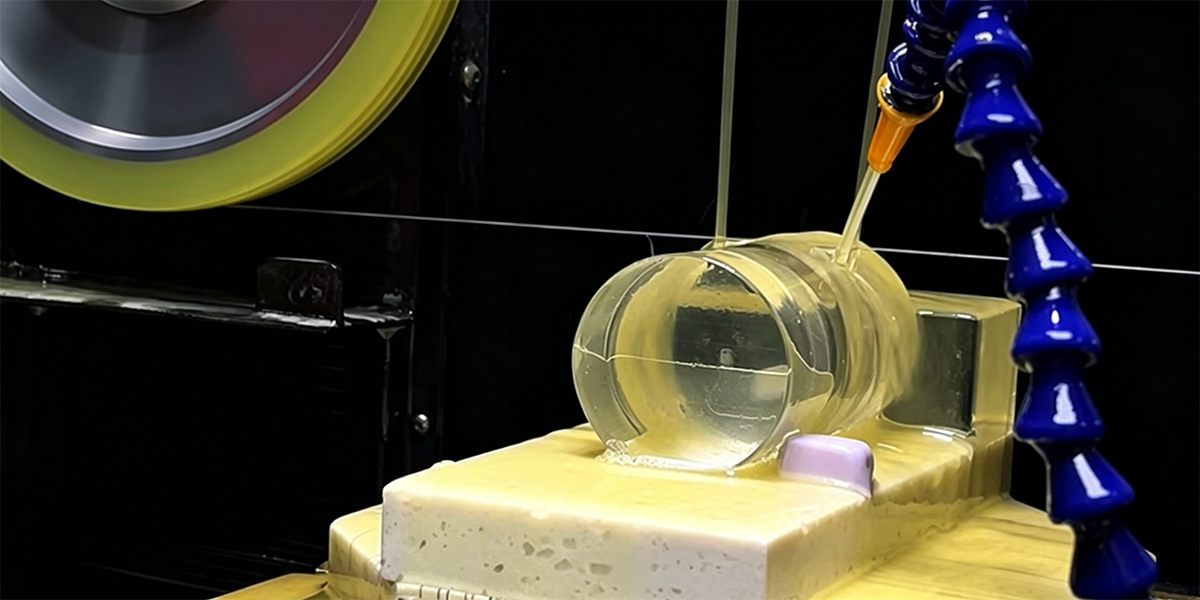
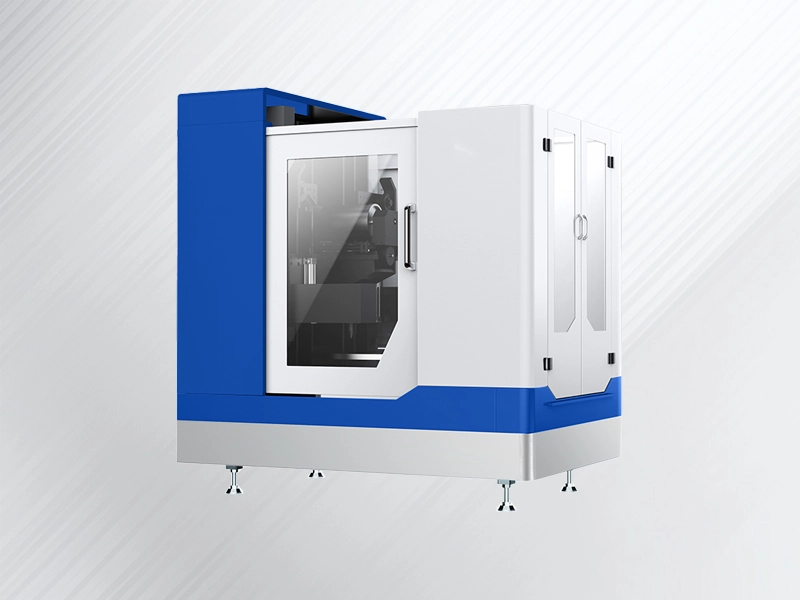
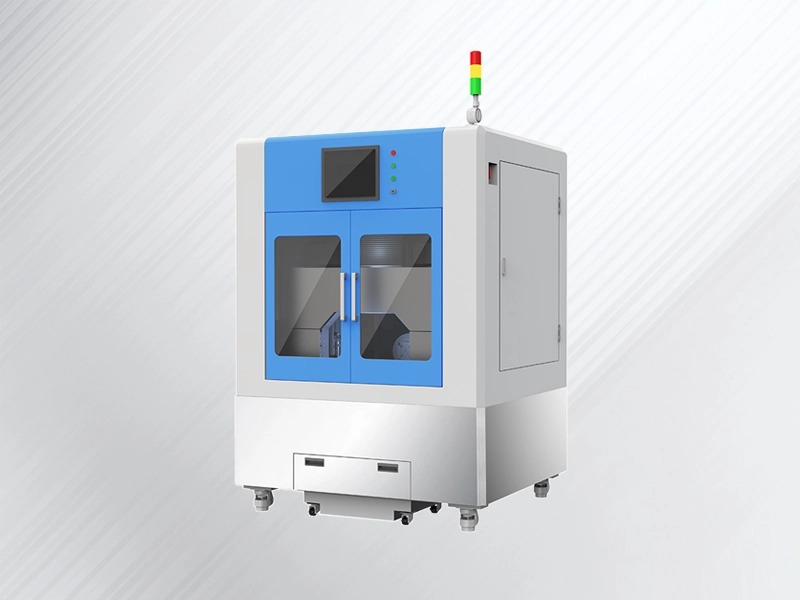
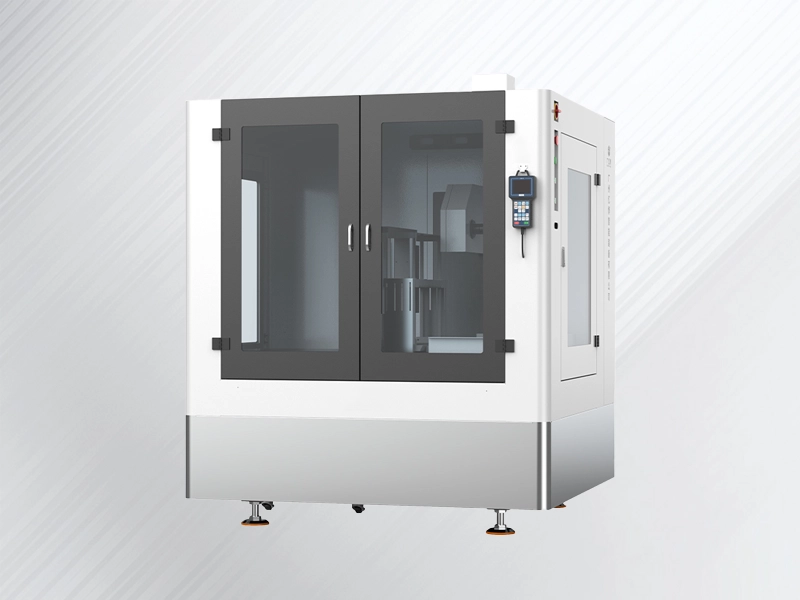
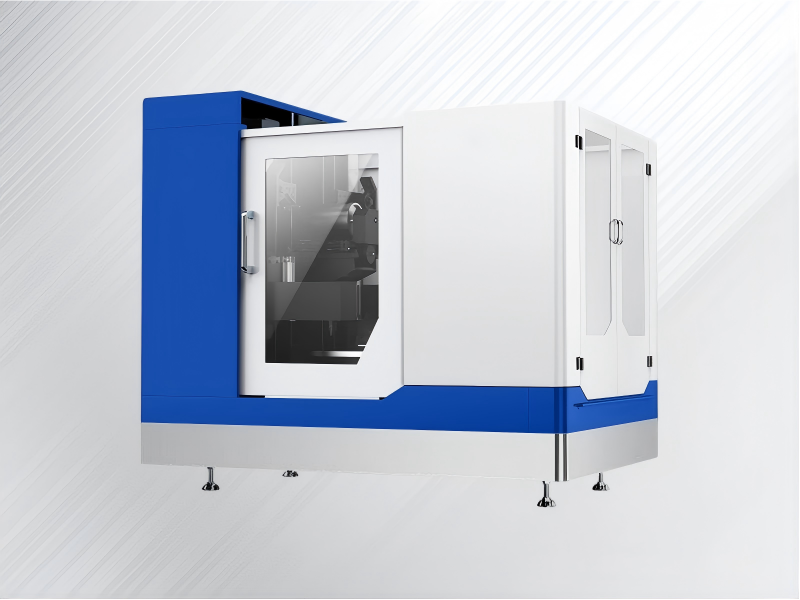
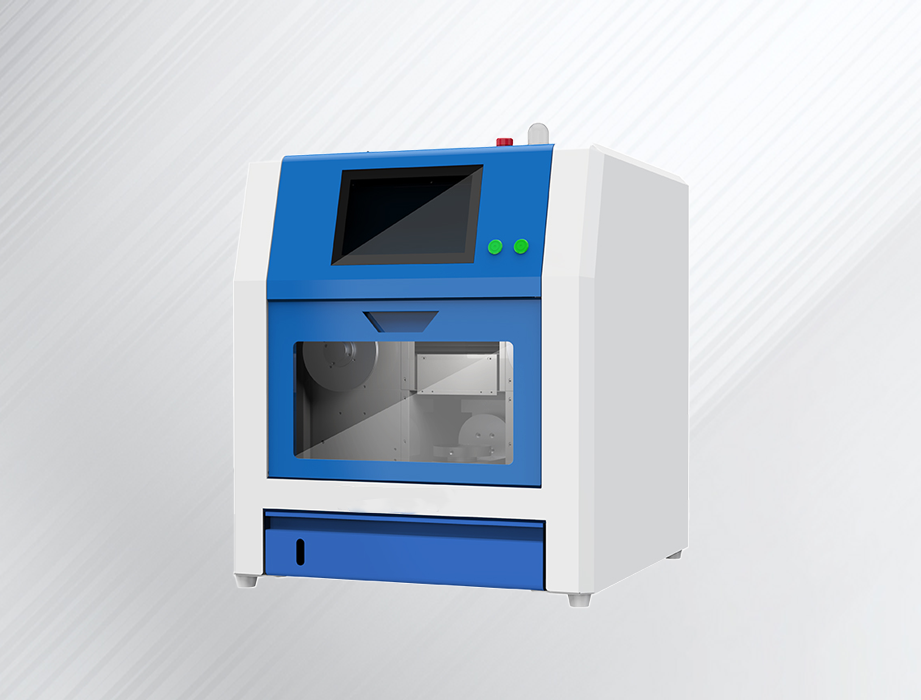
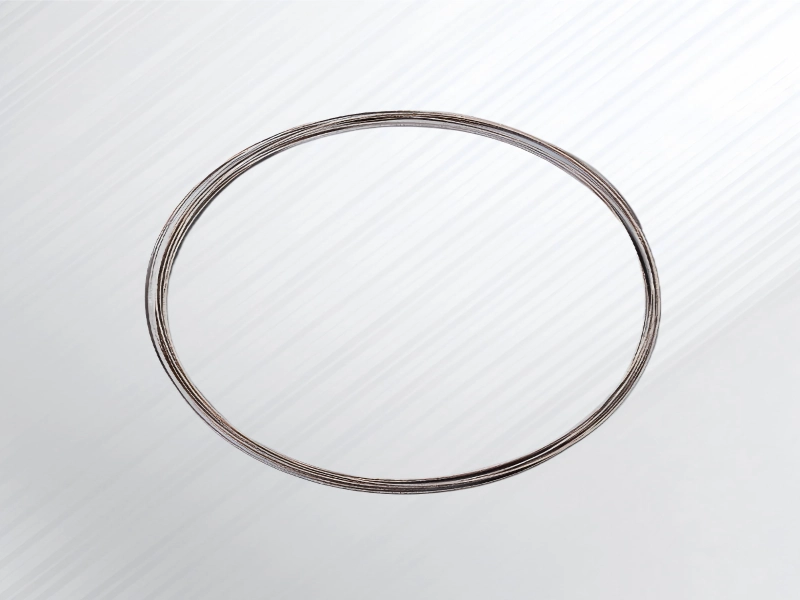
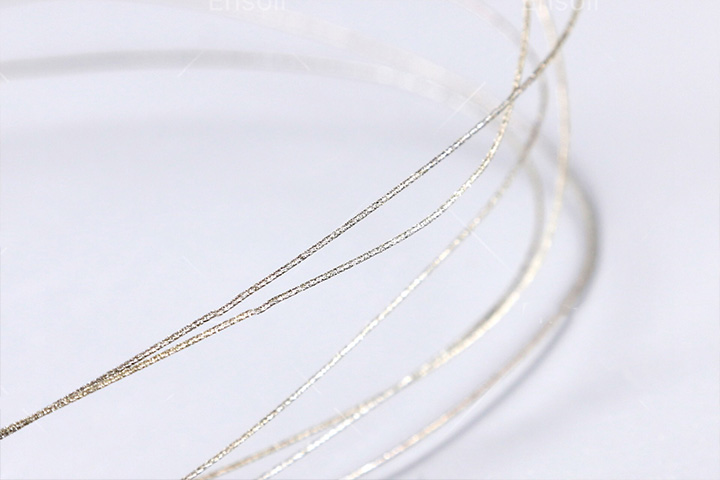
To overcome the extreme hardness and brittleness of technical ceramics, our cutting systems utilize endless diamond wire loop technology operating in a true cold-cutting process. Instead of applying high mechanical force or intense heat, millions of micro-diamond particles perform precise, low-stress abrasive action along the cut line.
This integrated machinery and consumable approach directly solves core ceramic processing bottlenecks:
Complete Ceramic Cutting Workflow
Raw Ingot & Material Prep
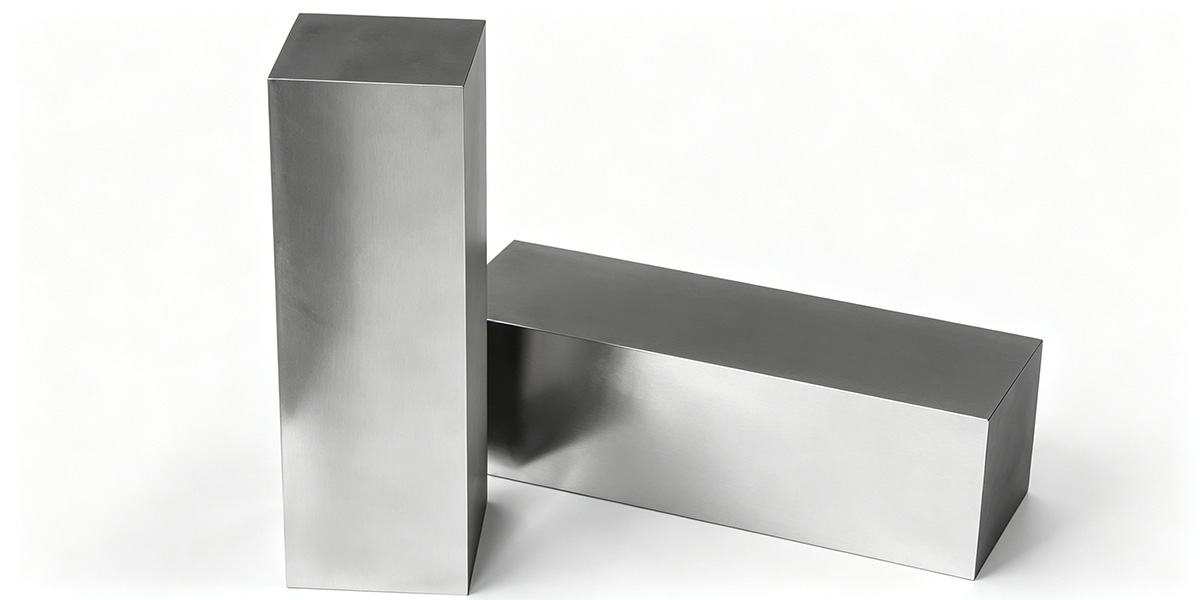
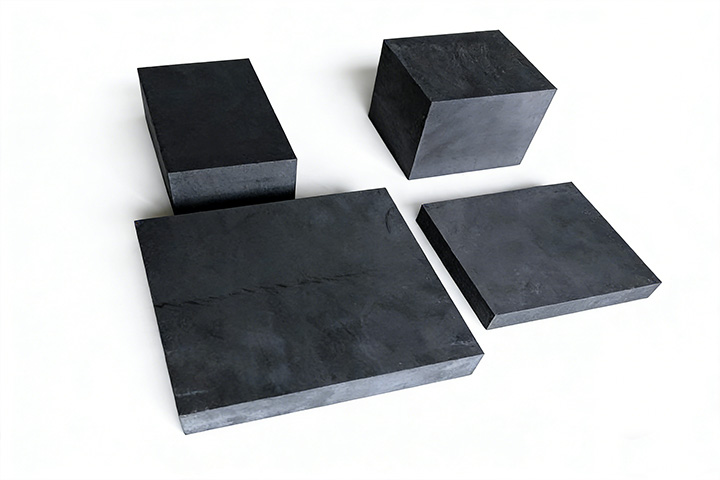
High-purity ceramic powders (Al₂O₃, ZrO₂, SiC) are formed via CIP and sintered into dense blocks, then inspected to establish baseline cutting parameters.
Workholding & Mounting Setup
Ceramic blocks are secured onto glass or aluminum plates using specialized temporary adhesive resin or wax to eliminate micro-vibrations during slicing.
Precision Diamond Wire Slicing
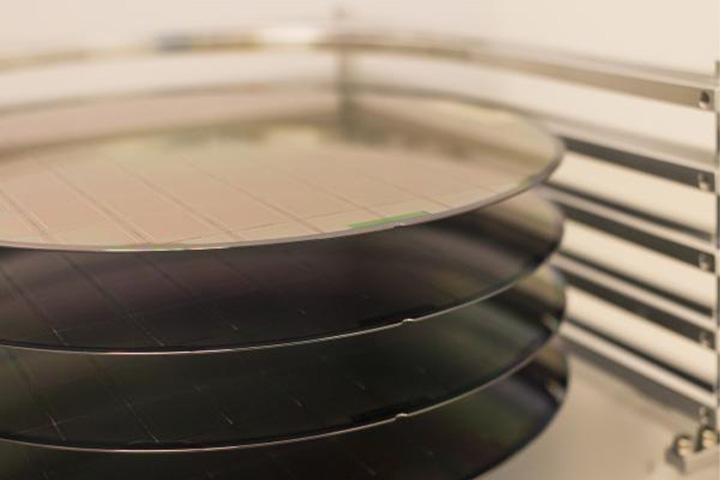
Endless diamond wire loops (up to 80 m/s) with pneumatic tensioning deliver cold-cutting with Ra ≤ 0.1μm surface quality and ±0.05mm precision.
Debonding & Ultrasonic Cleaning
Sliced wafers are heated or solvent-released from mounting plates, then ultrasonically cleaned to remove residual wax, coolant, and fine dust.
Secondary Lapping & Polishing
With micro-cracks eliminated in Step 3, rough grinding is bypassed, moving directly to fine polishing and cutting secondary processing time by 40%.
Metrology & Quality Inspection
100% dimensional, flatness (Bow/Warp), and crack detection testing using optical comparators, CMMs, or ultrasonic detectors before final packaging.
Comparison of Ceramic Cutting Methods
Selecting the optimal cutting technology directly impacts rawmaterial yield, subsurface integrity, and downstream processing costs when machining technical ceramics like Alumina (Al2O3), Zirconia (ZrO2), Silicon Carbide (SiC), and Silicon Nitride(Si3N4).
Below is a comprehensive comparison showing how Endless Diamond Wire Saws perform against traditional ceramic cutting methods across key manufacturing metrics.
| Criteria | Diamond Wire Saw | Laser Cutting | Waterjet Cutting | Dicing Blade | Diamond Saw Blade |
| Cutting Principle | Diamond-impregnated wire (steel or tungsten) abrades material through continuous or reciprocating motion | High-powered laser beam melts or vaporizes material along the cut path | High-pressure water jet mixed with abrasive particles erodes material | High-speed spindle with ultra-thin diamond blade cuts via spinning motion | High-speed rotating circular blade with diamond segments grinds or cuts via rotation |
| Kerf Width | 0.15 – 0.45 mm | 0.05 – 0.20 mm (very narrow) | 0.8 – 2.0 mm+ (wide) | 0.025 – 0.10 mm | 1.0 – 3.0 mm+ (widest) |
| Surface Quality (Ra) | ≤ 0.05 – 0.1 μm | Moderate, often requires post-processing | Rough (Ra 3.2 – 12.5 μm), requires finishing | Excellent (Ra 0.1 – 0.4 μm) | Poor, rough finish |
| Heat-Affected Zone (HAZ) | None – true cold cutting process | Significant – thermal stress, micro-cracking risk | None – cold cutting process | Minimal – mechanical stress only | Moderate – friction heat generation |
| Subsurface Damage | Minimal to none – no micro-cracking | High – thermal stress leads to micro-cracks | Low – no thermal damage, but surface erosion | Moderate – chipping risk at entry/exit | High – significant chipping and micro-cracks |
| Complex Shapes | Flexible – curves, contours, and intricate profiles | Flexible (2D patterns) | Flexible | Limited – straight lines primarily | Limited – straight cuts only |
| Batch Capacity | High (multi-wire: dozens of slices per pass) | Low (single-pass, serial) | Low (single-pass, serial) | Low (single-pass, serial) | Low (single-pass, serial) |
| Equipment Cost | Moderate | High (laser source + optics) | Moderate-High (pump + abrasives) | Low-Moderate | Low |
| Operating Cost | Low (wire consumable + coolant) | Moderate (gases, electricity, maintenance) | High (water, abrasives, disposal) | Moderate (blade replacement) | Moderate (blade replacement) |
| Environmental Impact | Low – minimal water, no gases, dust-free | Moderate – gas emissions, heat generation | High – significant water consumption | Low | Low-Moderate (dust, coolant) |
| Best Application | Precision slicing of advanced ceramics (Al₂O₃, Si₃N₄, ZrO₂, SiC) – ingot cutting, wafering, complex profiles | Thin sheet cutting, intricate 2D patterns, micro-features | Thick ceramic blocks, rough cutting, materials sensitive to mechanical stress | Small precision parts, dicing, tight positional accuracy | Coarse cutting, construction ceramics, rough block squaring |
Measurable Manufacturing Outcomes You Achieve
Higher Raw Material Yield
Ultra-narrow 0.38–0.45 mm kerf width minimizes waste when slicing high-cost ceramics (SiC, Si₃N₄, Alumina), converting saved stock into usable slices.
Zero Micro-Cracks & Lower Scrap
Low-force cold cutting eliminates mechanical shock and localized heat spikes, preventing edge chipping and hidden subsurface micro-cracks.
Shorter Secondary Lead Time
Near-mirror surface finishes (Ra ≤ 0.1μm) allow production lines to bypass heavy rough-grinding steps and move parts straight to fine polishing.
Lower Unit Manufacturing Cost
Maximized material utilization, reduced rough-grinding consumable waste, and automated cutting cycles significantly drive down total cost per slice.
Repeatable Batch Quality
Automated wire tensioning and precision servo controls deliver uniform slice thickness tolerances with minimal reliance on manual operator skill.
Accelerated Order Delivery
Higher yield and eliminated rework cycles clear shop-floor bottlenecks, allowing engineering and sales teams to guarantee faster customer delivery.