Key Challenges in Sapphire Slicing
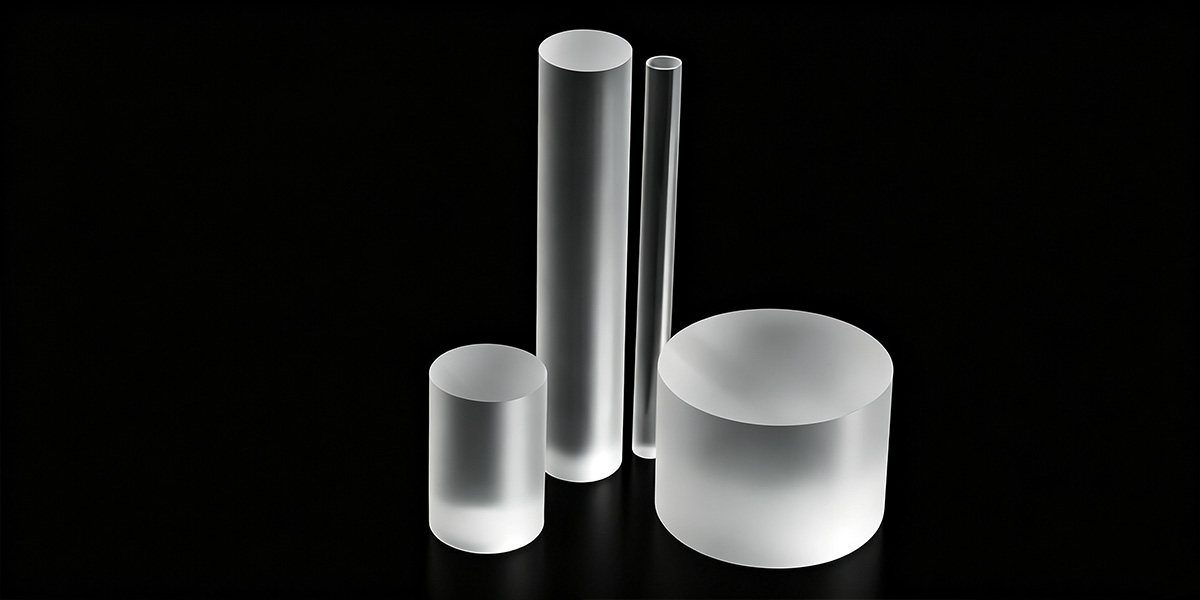
Slicing sapphire (Mohs 9) without destroying profit margins is a major engineering hurdle. Conventional cutting with rigid blades or abrasive slurries causes severe material waste, turning up to 30% of high-purity ingots into useless kerf dust.
High mechanical and thermal stress also leads to edge chipping and deep sub-surface micro-cracks. These defects compromise surface integrity and force manufacturers into lengthy, expensive double-side lapping and polishing cycles downstream.
Protecting your material yield requires a cold-cutting process engineered for low kerf loss, precise tension control, and zero thermal damage.
Our Solutions
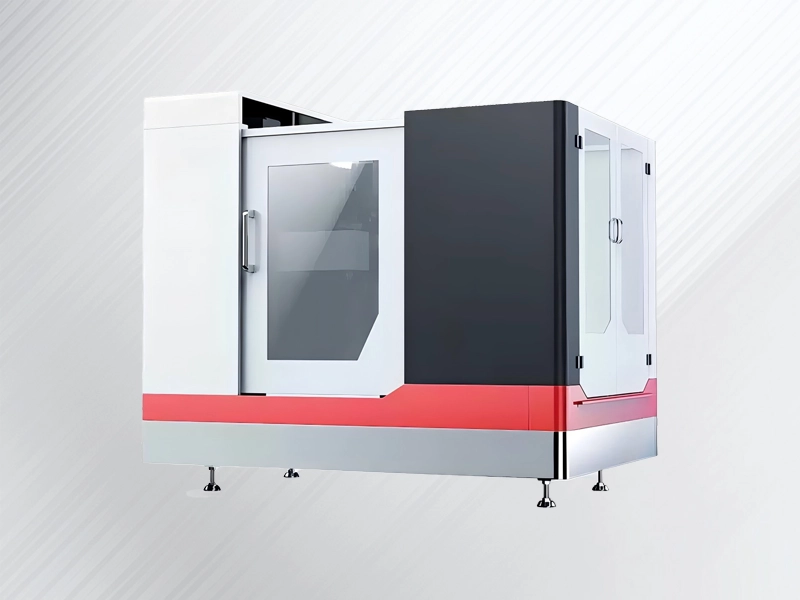
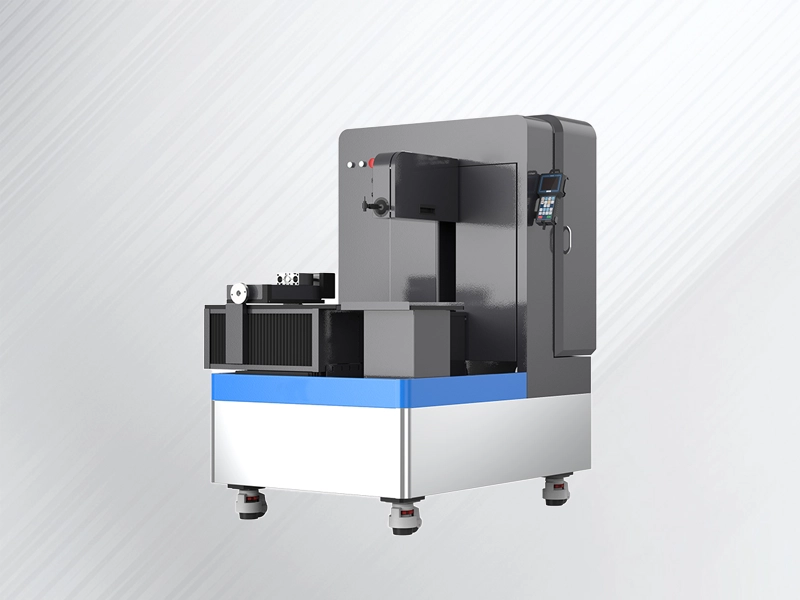
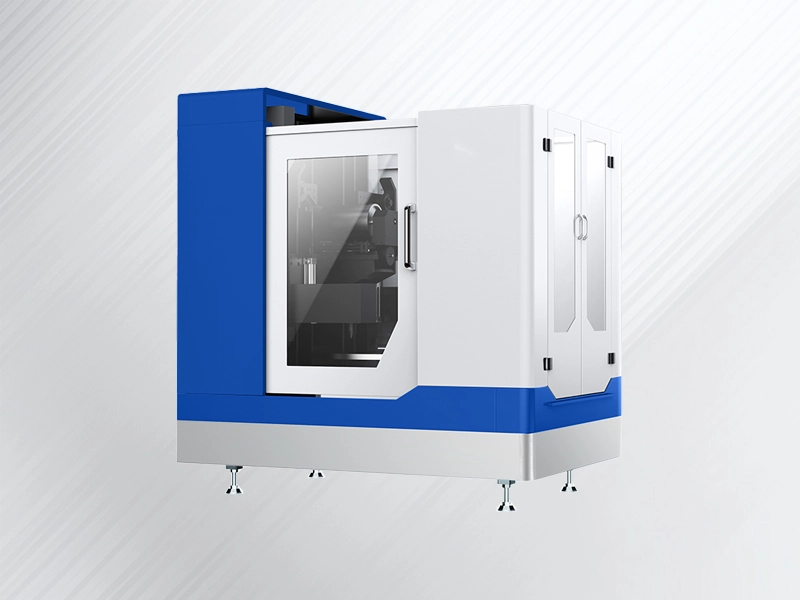
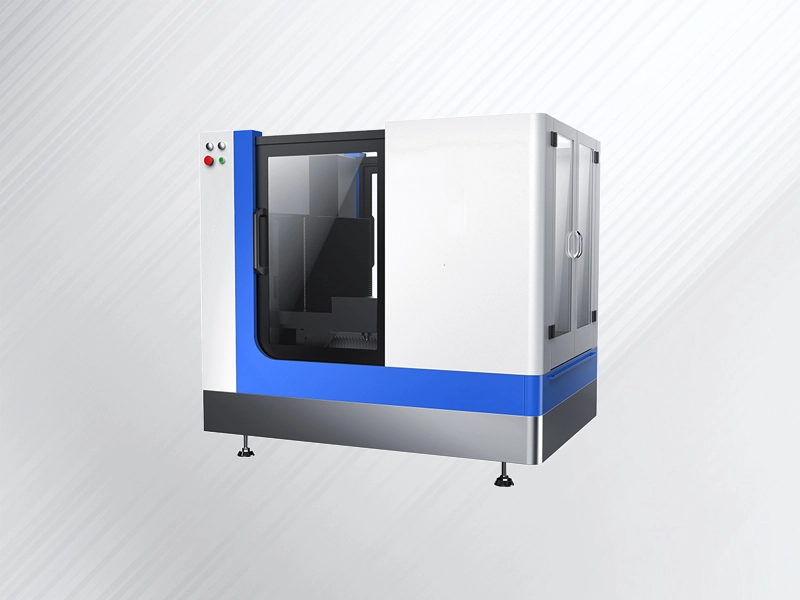
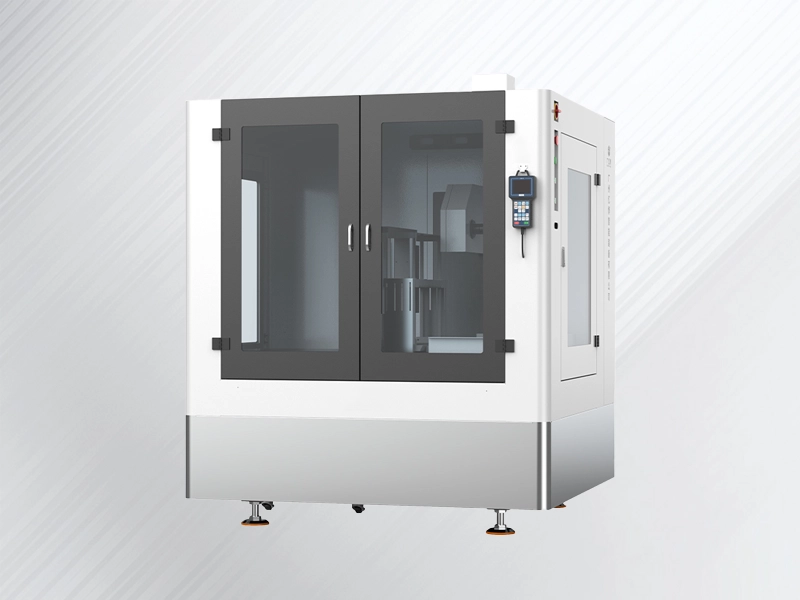
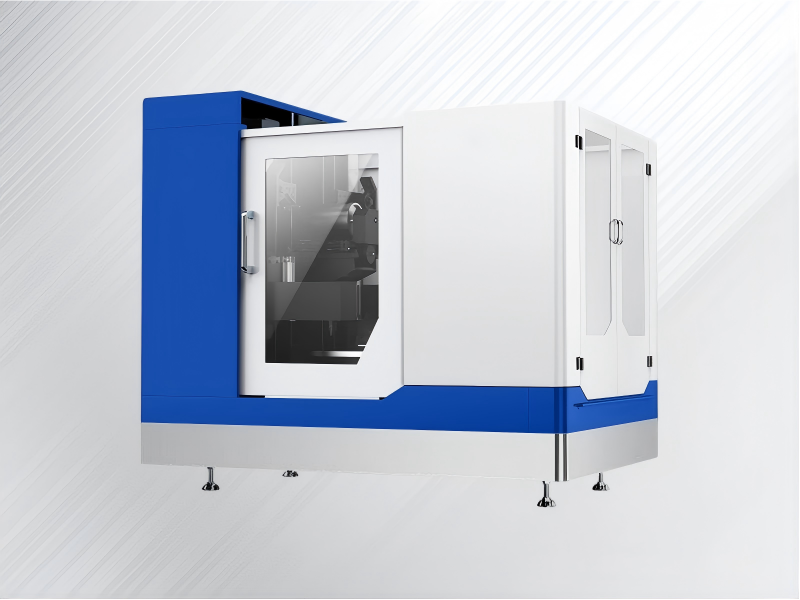
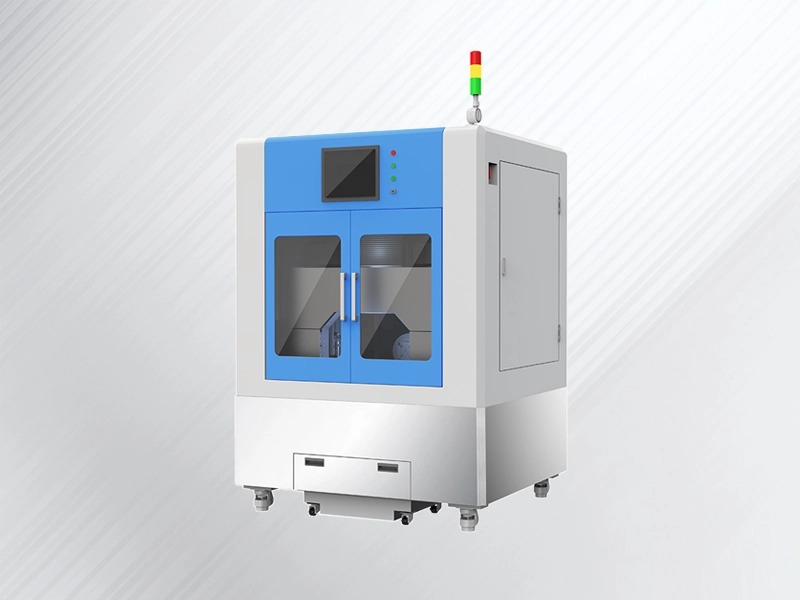
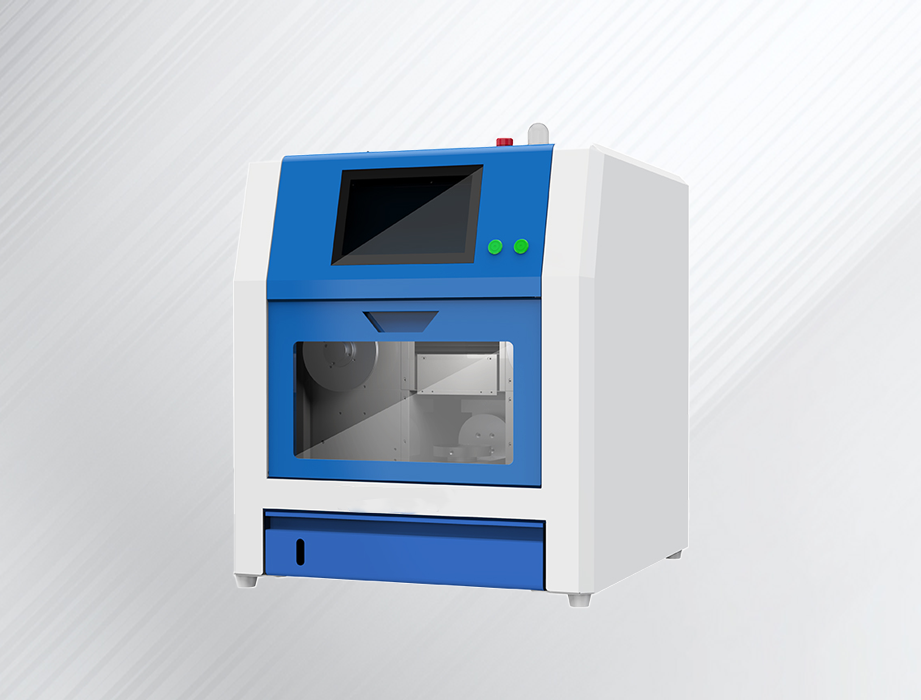
We deliver process-focused cutting solutions designed around the actual manufacturing challenges of sapphire processing. Rather than offering one-size-fits-all machinery, we integrate continuous endless diamond wire loops, heavy-duty motion platforms, and customized parameters to resolve severe yield, accuracy, and surface damage issues across your workflow.
-
The Production Challenge: Large-diameter sapphire boules contain extreme internal residual stress. During initial head and tail cropping, intense strain often causes line binding, wire pinching, or sudden crystal cracking, leading to complete loss of high-value grown boules.
-
Our Solution: A heavy-duty cropping solution utilizing a high-speed endless diamond wire loop paired with automatic force-sensing feed regulation.
-
What It Resolves: The system monitors cutting resistance variations as the wire traverses the circular cross-section, dynamically adjusting feed speed to prevent line binding. This enables stress-free separation of head and tail sections on large boules without triggering crystal micro-cracks.
-
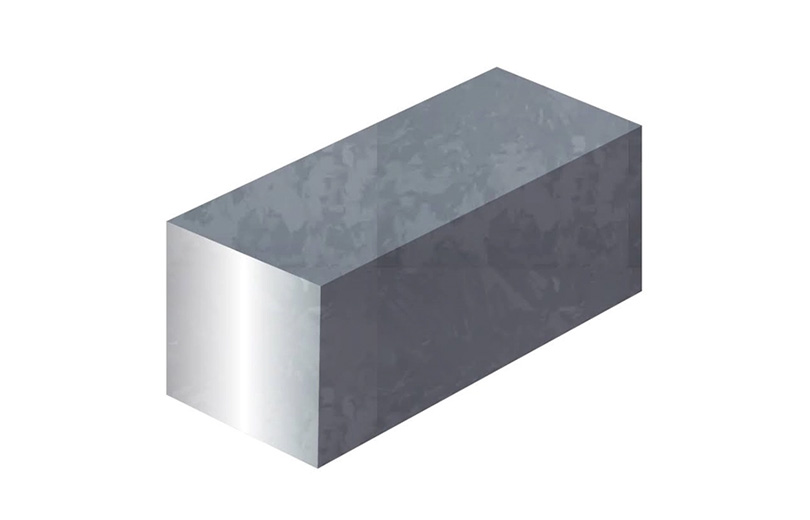
The Production Challenge: Converting round boules into orthogonal rectangular blocks using rigid blades or reciprocating saws frequently causes wire deflection along crystal planes. This leads to uneven side surfaces, severe edge chipping, and wasted material along the edges.
-
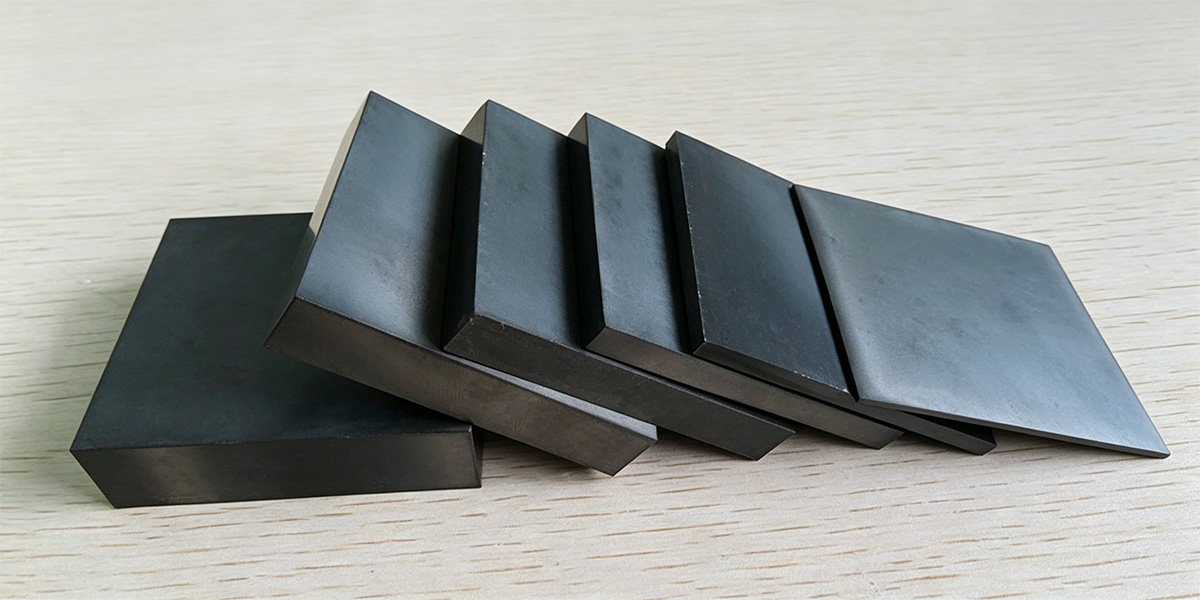
Our Solution: A precision squaring solution featuring rigid workpiece clamping, crystal orientation alignment (A-plane, C-plane, R-plane), and high-speed unidirectional diamond wire cutting.
-
What It Resolves: By holding precise alignment with the crystal lattice vector before slicing, the continuous wire shears smoothly without triggering micro-chipping at the edges. You get straight, parallel rectangular blocks ready for wafering, eliminating the need for pre-grinding steps.

-
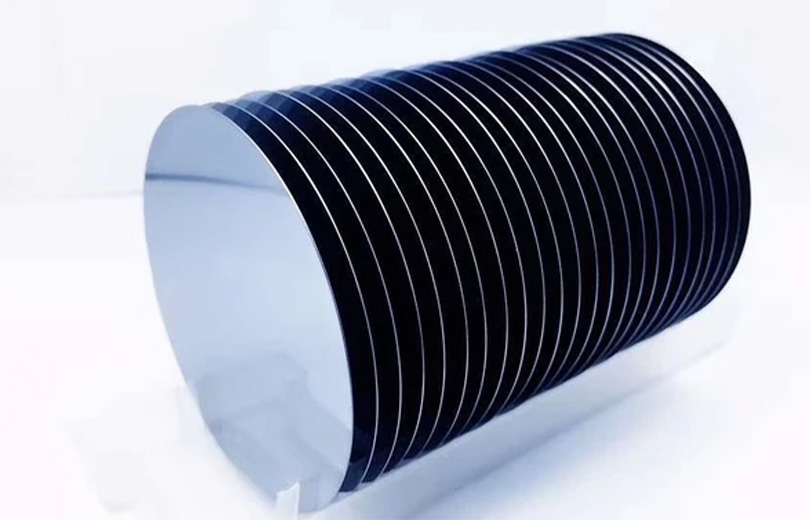
The Production Challenge: Slicing sapphire ingots into thin wafers using loose abrasive slurries or thick blades creates wide kerf loss (up to 30% material lost as dust) and deep sub-surface damage, overloading downstream lapping and CMP polishing operations.
-
Our Solution: An ultra-fine endless diamond wire slicing setup supported by dynamic tension control and continuous fluid cooling.
-
What It Resolves: It slashes kerf loss significantly, maximizing usable wafer recovery per ingot. The smooth cold-cutting action prevents thermal micro-cracks and maintains total thickness variation (TTV) within tight limits, reducing downstream lapping time by over 50%.
-
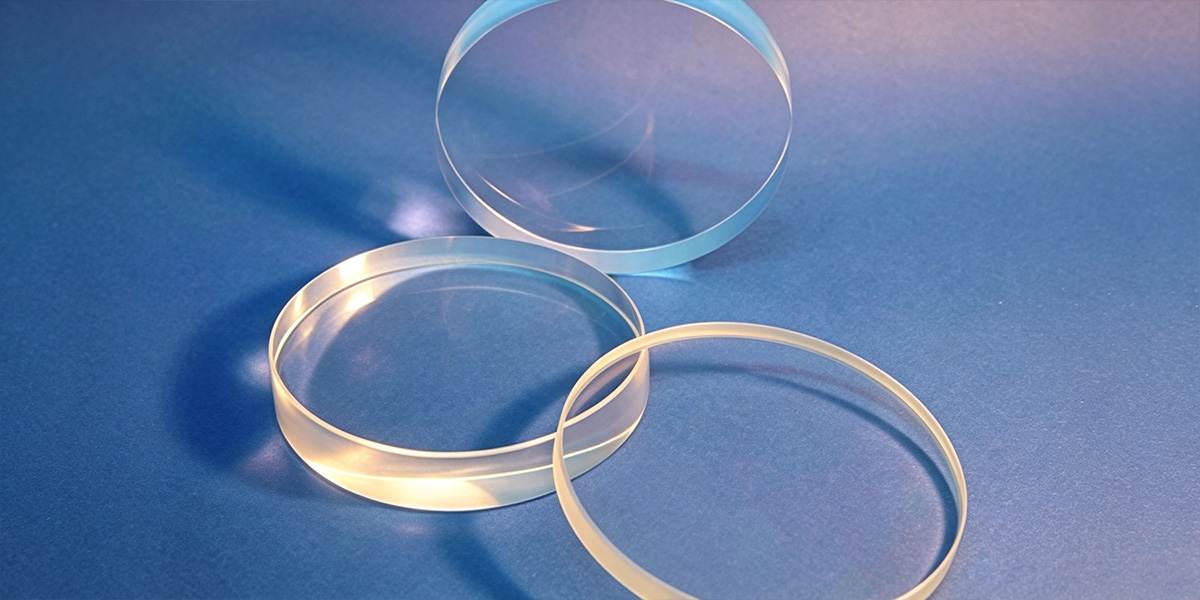
The Production Challenge: R&D labs and specialty optical manufacturers often face non-standard geometry cuts (such as thick optical windows, domes, or specialized blanks) where standard slicing setups produce inconsistent surface finishes or thermal fractures.
-
Our Solution: An adaptable diamond wire cutting setup combined with custom workholding fixture design and empirical parameter tuning.
-
What It Resolves: We design application-specific jigs and pre-program feed and speed parameters tailored to your exact part geometry. Low-volume, high-value optical components are cut cleanly with pristine surface integrity ((Ra≤.1μm)) on the first attempt, preventing trial-and-error scrap losses.
Sapphire Processing & Cutting Workflow
Crystal Growth & Annealing
Bulk sapphire crystals (boules) are grown via KY or HEM methods and high-temperature annealed to relieve initial thermal stress.
Ingot Cropping
Heavy-duty endless diamond wire cutting removes highly strained head and tail sections from grown boules without stress fracturing.
Ingot Squaring
Multi-axis positioning aligns cuts with A/C/R-plane crystal lattices, shearing round boules into orthogonal rectangular blocks with zero edge chipping.
Wafer & Substrate Slicing
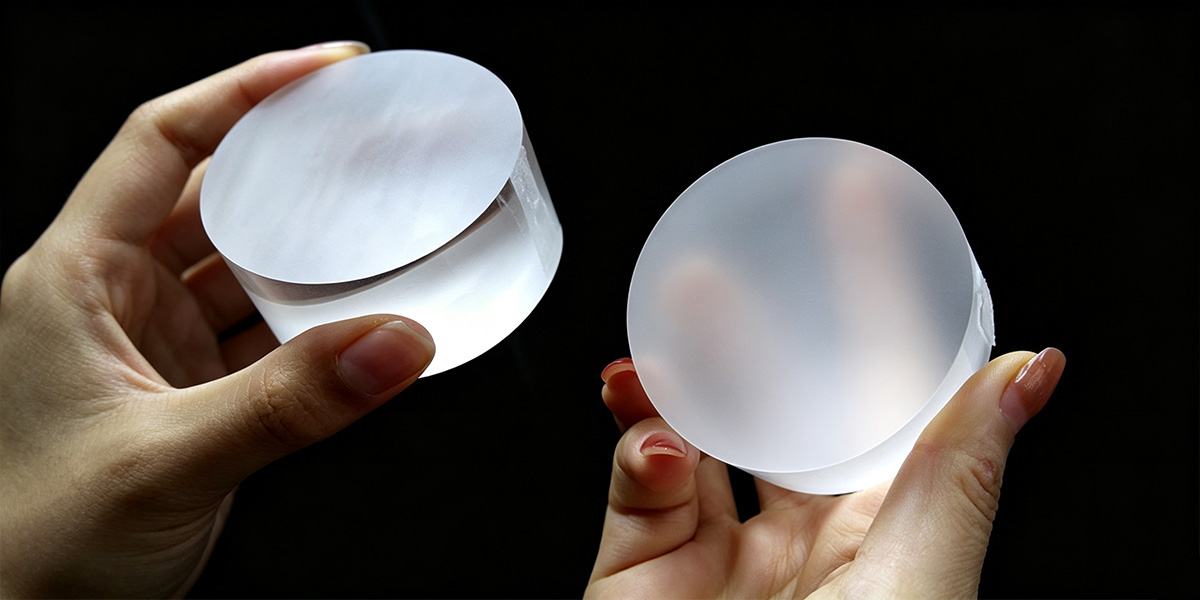
Ultra-fine endless wires (0.20–0.30 mm) slice ingots into wafers, minimizing kerf loss and yielding pristine surface roughness (Ra ≤ 0.1 µm).
Lapping & CMP Polishing
Edge chamfering, double-sided lapping, and CMP polishing deliver final epi-ready or optical-grade surfaces with significantly reduced processing time.
Sapphire Cutting Tools Comparison
| Processing Stage | Diamond Wire Saw | Alternative Tool | Comparison Dimension | Performance & Efficiency Analysis |
| Ingot Cropping | Endless Diamond Wire Saw | Inner Diameter (ID) Saw | Maximum Ingot Diameter & Stability | Diamond wire handles large-diameter boules (6″+) with stable, deep-section cutting; ID saws face strict blade diameter limits and struggle with thick boules. |
| Ingot Squaring | Multi-Axis Diamond Wire Saw | CNC Diamond Circular Saw / Grinder | Kerf Loss & Lattice Alignment | Wire saws provide narrower kerfs and precise crystal orientation (A/C/R-plane); circular saws cause wider kerf loss, high material waste, and rapid blade wear. |
| Wafer Slicing | Ultra-Fine Diamond Wire Saw (0.20-0.30 mm) | Traditional Free-Abrasive Slurry Saw | Cutting Speed, Surface Finish & Eco-Impact | Solid-fixed diamond wire delivers high-speed cutting with water-based cooling and low surface roughness (Ra ≤ 0.1 um); slurry saws are slow, rely on toxic SiC slurry, and incur heavy disposal costs. |
| Wafer Slicing | Endless Diamond Wire Saw | ID Saw (Single-Blade) | Yield Rate & Thickness Uniformity | Continuous loop wire enables stable, high-density slicing with tight thickness tolerance; ID saws suffer from blade deflection and lower single-wafer throughput. |
What You Will Achieve
Maximized Ingot Yield
Ultra-fine diamond wires (0.20–0.30 mm) minimize kerf loss, extracting more usable wafers from every expensive crystal boule.
Reduced Post-Processing Time
Low-impact cutting leaves minimal subsurface damage, significantly shortening downstream lapping and CMP polishing cycles.
Precision Lattice Integrity
Rigid multi-axis alignment ensures crack-free cuts along A, C, or R crystal planes with zero edge chipping.
Cleaner, Eco-Friendly Operation
Water-based cooling eliminates messy, hazardous abrasive slurries, lowering waste disposal and machine maintenance costs.