Optical Glass Cutting Challenges
Processing brittle, heat-sensitive optical glass leaves zero room for error. Conventional sawing methods often create severe production bottlenecks, driving up costs and wasting expensive stock:
Heavy mechanical shock creates micro-cracks along the cut, forcing hours of costly post-processing.
Poor heat dissipation during aggressive cutting generates localized stress, causing unexpected breakage.
Wide blade cuts turn expensive optical ingots into useless dust, lowering finished part yield.
Blade wander on thick blocks leads to taper and uneven parallelism, failing tight inspection standards.
Our Solution
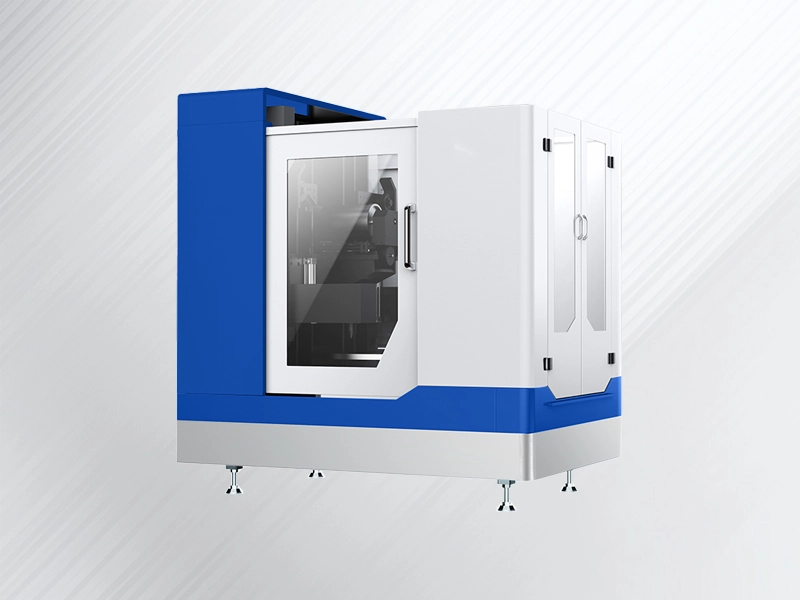
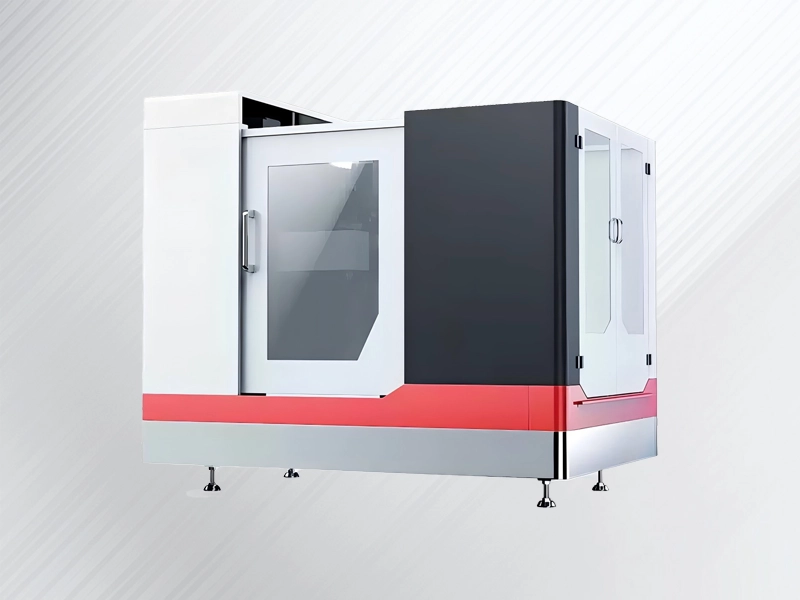
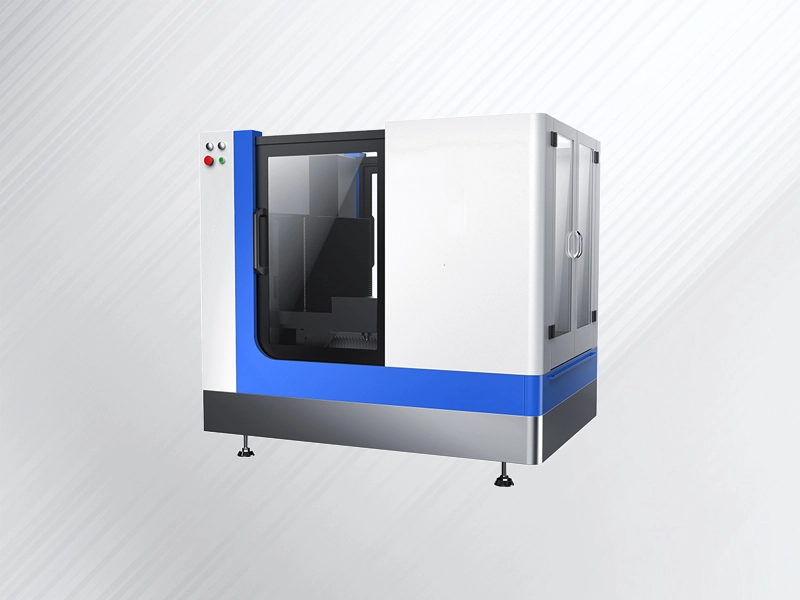
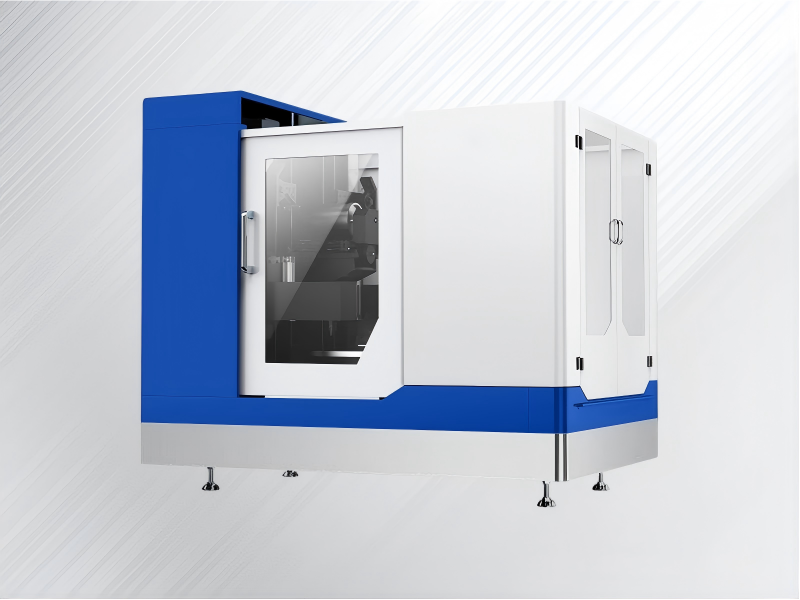
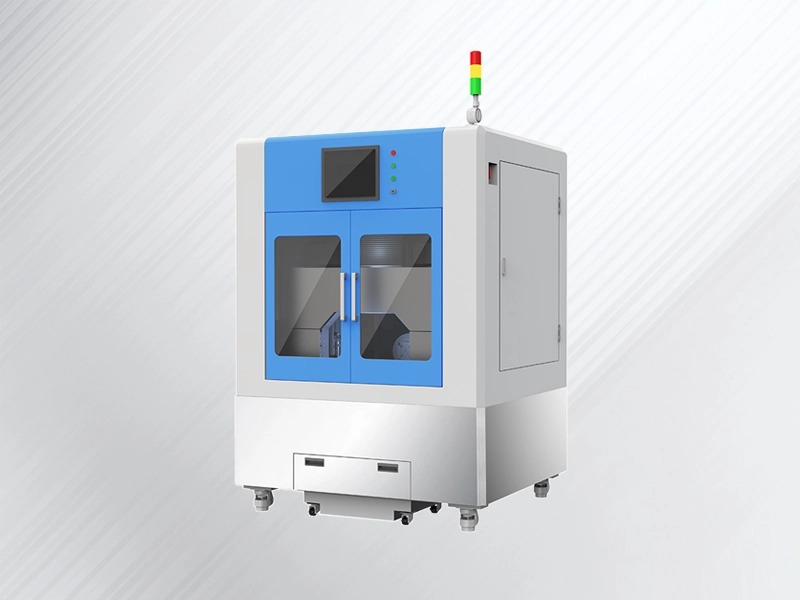
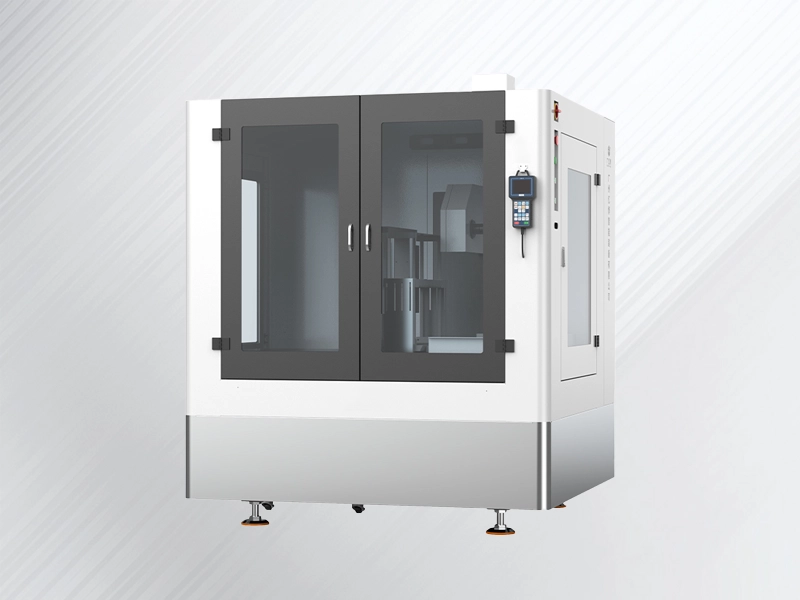
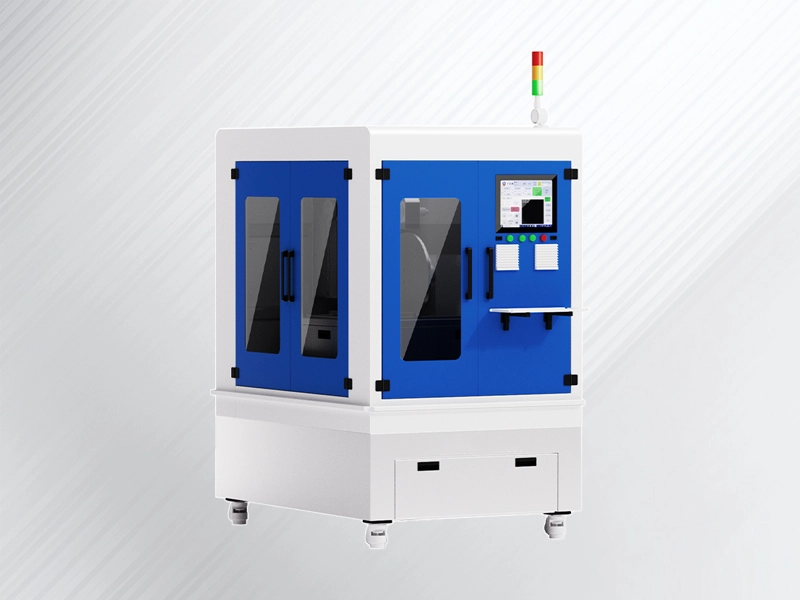
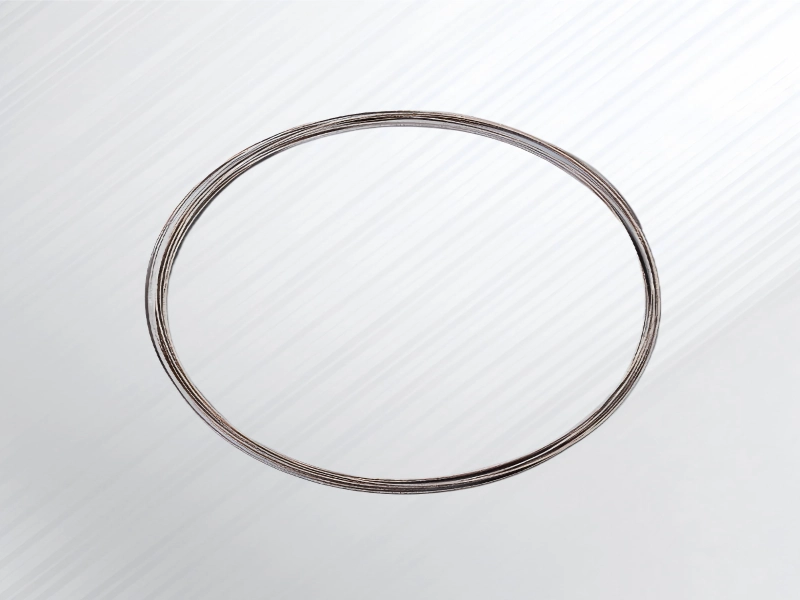
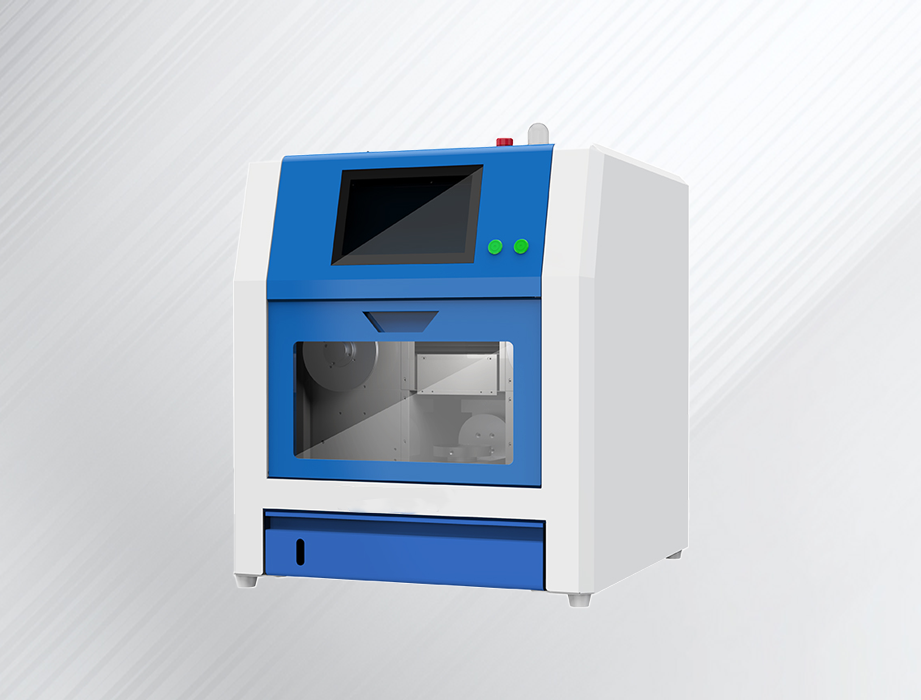
To overcome the yield loss, thermal stress, and surface defects inherent in traditional sawing and grinding, our approach centers on a complete Continuous Endless Diamond Wire Slicing System. By combining high-speed unidirectional wire motion with closed-loop tensioning, low-stress workholding, and material-specific parameters, we deliver a controlled “cold cutting” process engineered to protect fragile glass structures and maximize raw material recovery.
-
Problem: Traditional abrasive wheels and thick blades grind up to 40% of high-value optical stock into unusable slurry.
-
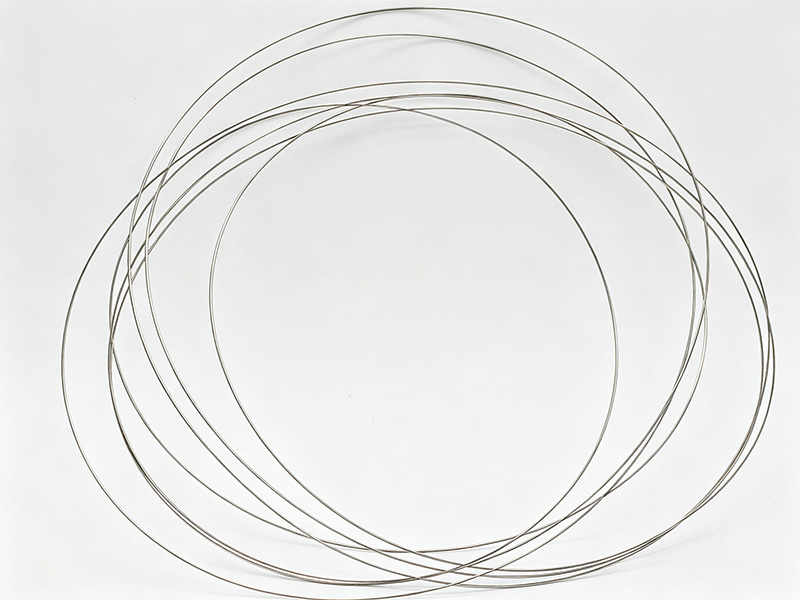
The Solution: We deploy fine endless diamond wire loops ranging from 0.30 mm to 0.65 mm in diameter under automated closed-loop tensioning. By reducing kerf width by up to 70%, the system enables optics manufacturers to recover significantly more usable wafers, lens blanks, or prisms from every ingot.
-
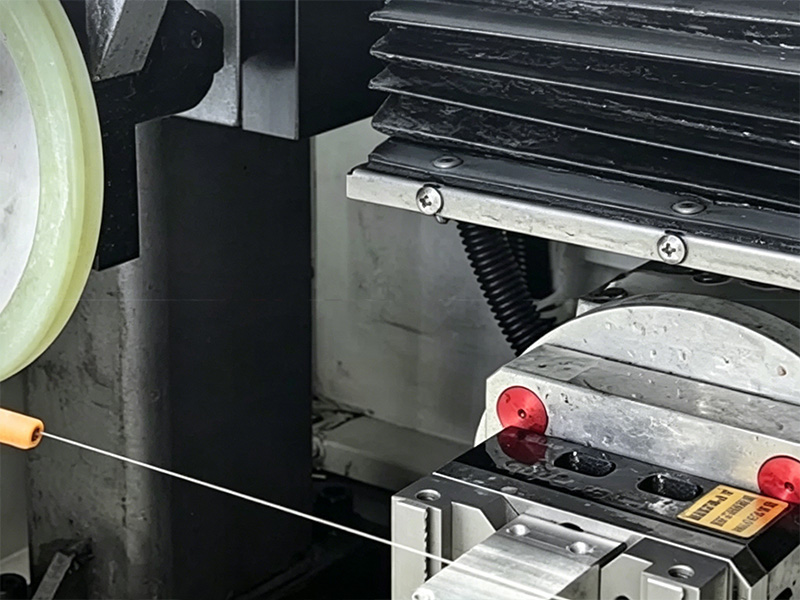
Problem: Friction heat and heavy mechanical impact from conventional saws create thermal shock, leading to edge micro-cracks and deep Subsurface Damage (SSD) that prolong secondary polishing.
-
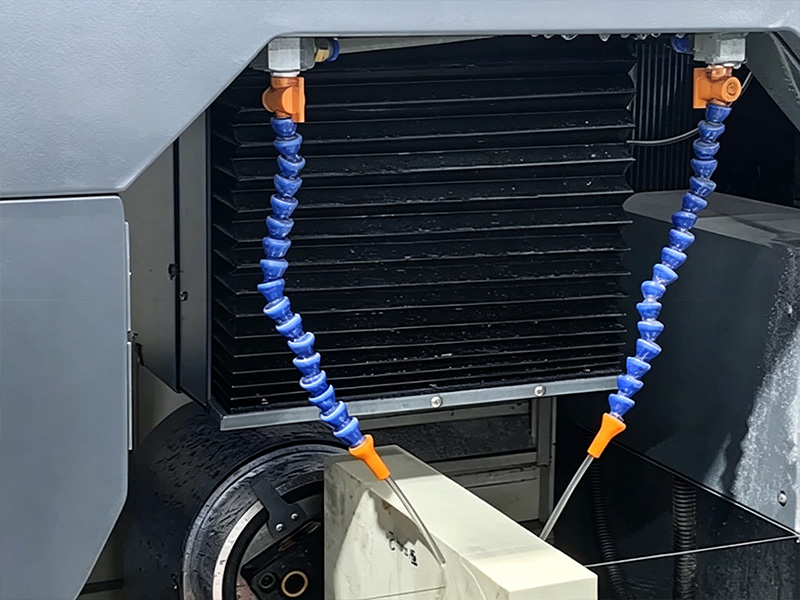
The Solution: Operating at linear wire speeds up to 80 m/s, the continuous wire loop constantly draws coolant directly into the cutting channel. Immediate heat dissipation prevents thermal cracking and leaves a shallow SSD layer, drastically shortening downstream coarse grinding and CMP polishing cycles.
-
Problem: Reciprocating wire saws repeatedly decelerate, stop, and reverse direction, leaving microscopic dwell marks, surface steps, and uneven thickness across the glass face.
-
The Solution: The endless wire loop rotates uninterrupted in a single direction at constant velocity. With no direction reversals, the system yields a highly uniform surface finish (Ra ≤ 0.1 µm) and tight Total Thickness Variation (TTV) across small optical parts and large blocks exceeding 300 mm in depth.
-
Problem: Conventional mechanical clamping deforms thin glass substrates and induces stress fractures along fragile edges during sectioning.
-
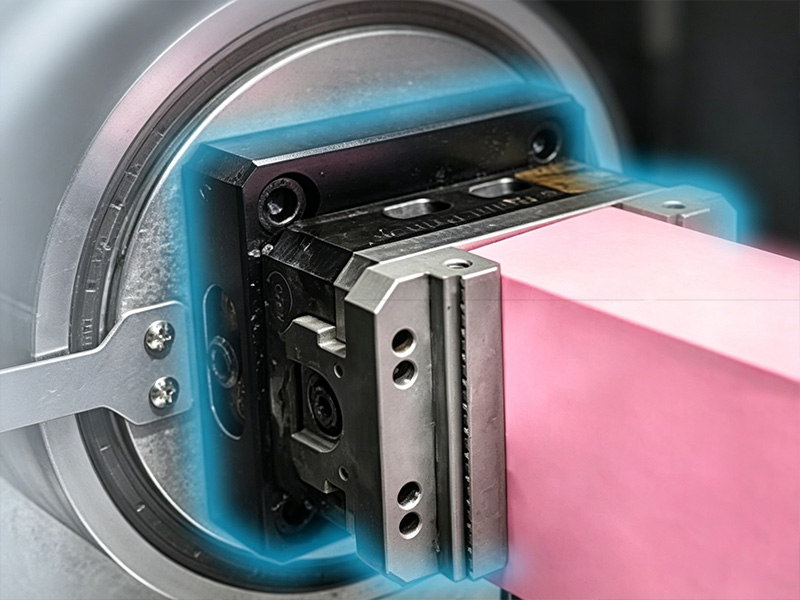
The Solution: We engineer dedicated, low-stress mounting protocols for each specific part geometry. Using specialized vacuum plates, porous ceramic bases, or low-temperature mounting adhesives, delicate glass workpieces remain fully supported throughout the cut without experiencing mechanical strain.
-
Problem: Adopting a new cutting technology often results in production delays due to trial-and-error setup between machines, consumables, and recipes.
-
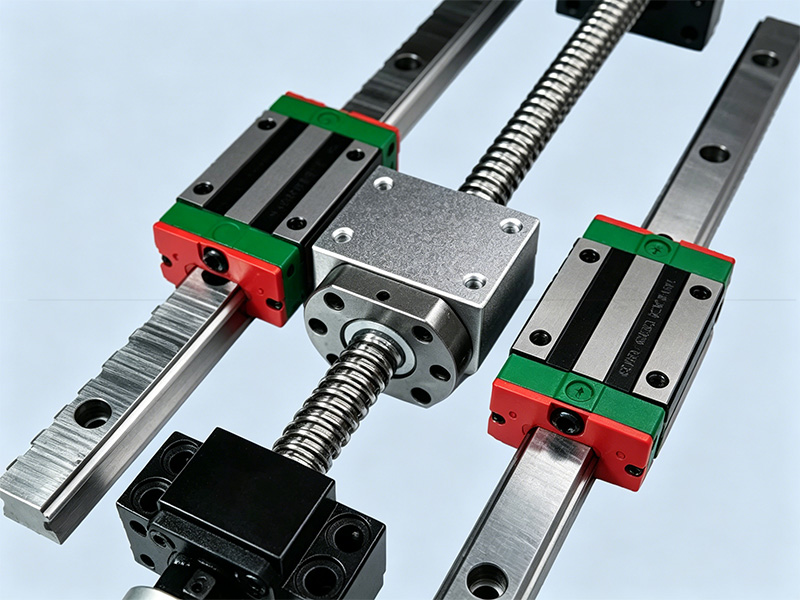
The Solution: We deliver a fully configured operational package including heavy cast-iron machine bases, high-tensile wire loops, custom fixtures, and pre-tested process recipes matched to your target glass grade (e.g., Fused Silica, Synthetic Quartz, BK7/K9, Sapphire, or CaF2).
Complete Optical Glass Fabrication Workflow
From raw material melting to optical coating, every step demands precise control. Endless diamond wire slicing plays a critical front-end role—sectioning, slicing, and profiling raw glass into micro-crack-free blanks before secondary fine grinding and polishing.
1. Raw Ingot / Block Forming
High-purity raw glass or synthetic quartz is melted and cast into bulk ingots, boules, or large optical blocks.
2. Primary Ingot Blanking
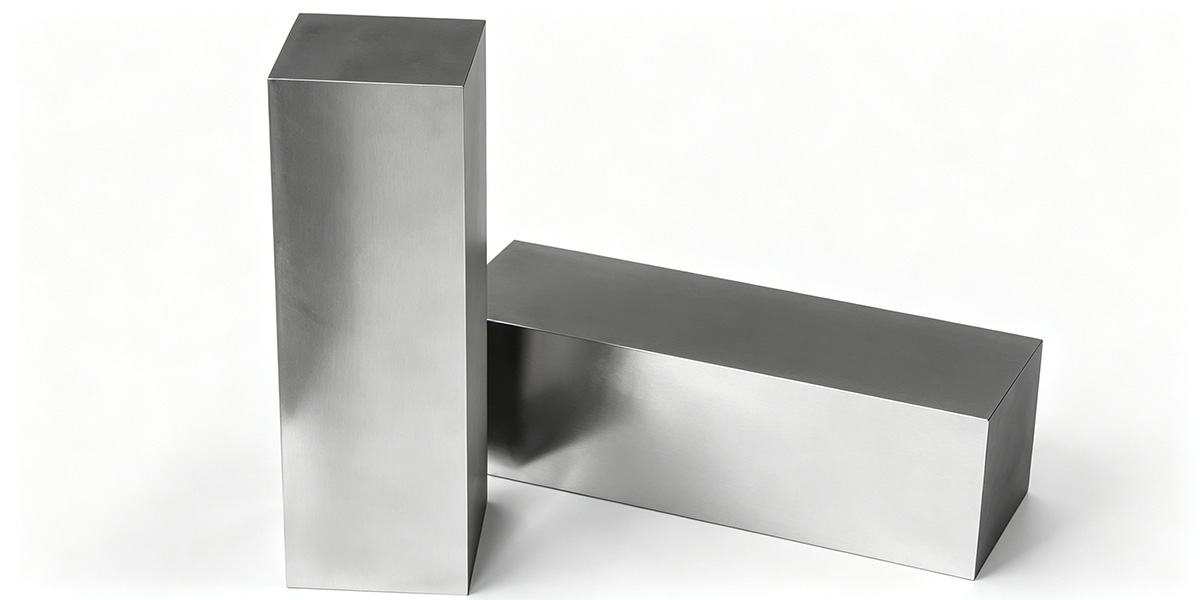
Heavy sectioning of large blocks into cuboids or slabs with minimal kerf waste and zero thermal stress.
3. Precision Thin Slicing
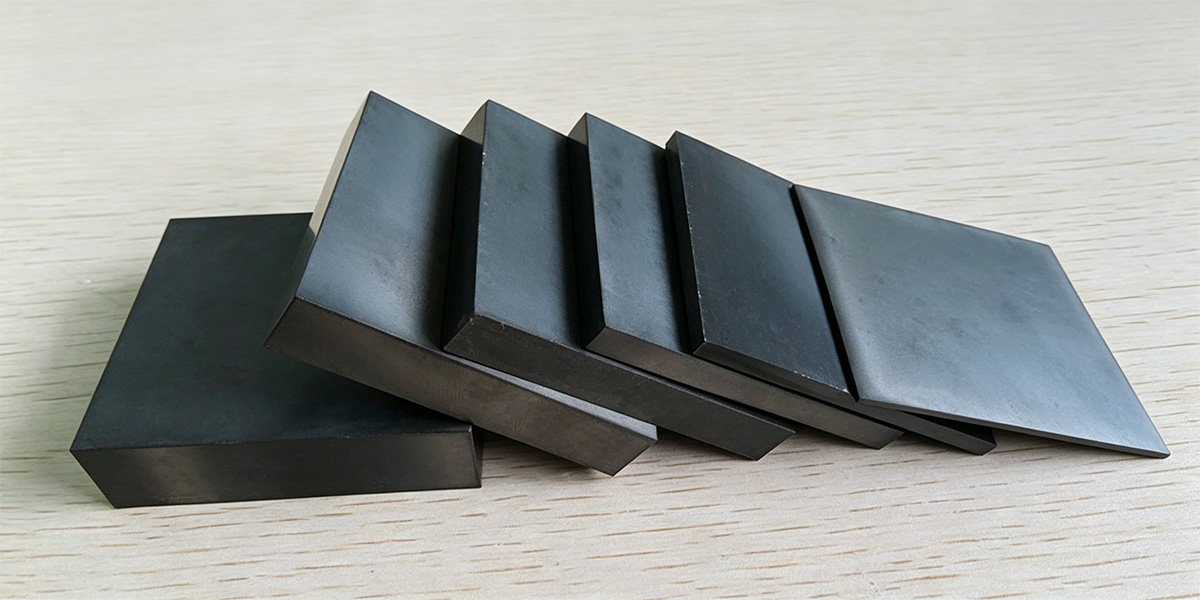
Slicing blocks into wafers, substrates, or lens blanks with tight TTV tolerance and micro-crack-free edges.
4. Angle & Contour Profiling
Pre-shaping prisms, bevels, or curved contours using rotary or multi-axis wire sawing to reduce grinding hours.
5. Grinding & Lapping
Abrasive lapping removes remaining surface stock to achieve exact dimensional thickness and preliminary flatness.
6. CMP Polishing & Beveling
Chemical-mechanical polishing eliminates subsurface damage to produce an optical mirror finish and clean edge bevels.
7. Coating & Inspection
Applying anti-reflective or dielectric coatings, followed by wavefront distortion and surface defect quality assurance.
Diamond Wire Saw vs. Alternative Cutting Methods
| Comparison Factor | Endless Diamond Wire Saw | Blade / Band Saw | Free Abrasive Slurry Wire |
| Kerf Loss & Material Yield | Ultra-narrow (0.3–0.6 mm) Maximizes yield; saves 15–30% of high-value optical material per cut. | Wide (2.0–4.0 mm) High kerf loss; converts valuable glass into waste dust. | Narrow (0.2–0.4 mm) High yield, but limited by slow linear cutting speeds. |
| Subsurface Damage (SSD) | Shallow (<15–20 μm) Micro-crack-free surface significantly reduces downstream grinding hours. | Deep (>50–80 μm) Severe mechanical stress requires lengthy secondary grinding. | Moderate (20–35 μm) Acceptable finish, but inconsistent due to loose abrasive rolling. |
| Edge Chipping Rate | Minimal (<0.1 mm) Gentle micro-scratching protects sharp edges and thin lens blank corners. | High Risk Heavy blade impact causes edge fractures and corner breakouts. | Low Gentle cutting action, but edges can easily become rounded. |
| Cutting Speed & Efficiency | High (30–80 m/s wire speed) Continuous closed-loop motion enables high linear feed rates. | Moderate Restricted by heat accumulation and blade binding risks in thick blocks. | Extremely Slow Reciprocating motion and loose abrasive slurry require long cycles. |
| Processing Flexibility | High (3D / Contour / Ingot) Easily cuts large ingots, complex curves, and angle bevels. | Restricted Limited by blade radius; cannot execute curved or deep contour cuts. | Straight Cuts Only Suitable for parallel slicing; incapable of contour or angled cuts. |
| Environmental Impact | Clean & Eco-Friendly Fixed diamond electroplating uses clean water or water-soluble coolant. | Moderate Waste Requires oil/water recycling to manage heavy glass debris. | Severe Slurry Pollution Produces toxic, hard-to-dispose slurry oil and glass sludge. |
What You Gain
Measurable outcomes — not claims. Here is what manufacturers actually achieve when they switch to diamond wire sawing for optical glass cutting.