Get Offer for All Machines
Challenges in Graphite Material Processing
Processing high-purity or isostatic graphite is notoriously unforgiving. Because raw graphite represents a massive share of total production costs, any waste directly erodes profitability. Traditional cutting methods like band saws and circular blades rely on wide cut paths, converting expensive blocks into unrecoverable dust before finishing even begins.
Beyond material loss, dry sawing releases airborne conductive carbon dust that easily penetrates machinery electrical cabinets, triggering short circuits, component wear, and unexpected downtime. Meanwhile, the brittle nature of graphite causes frequent edge chipping and micro-cracks on delicate features, forcing teams into tedious secondary grinding just to achieve acceptable surfaces.
Our Graphite Cutting Solutions
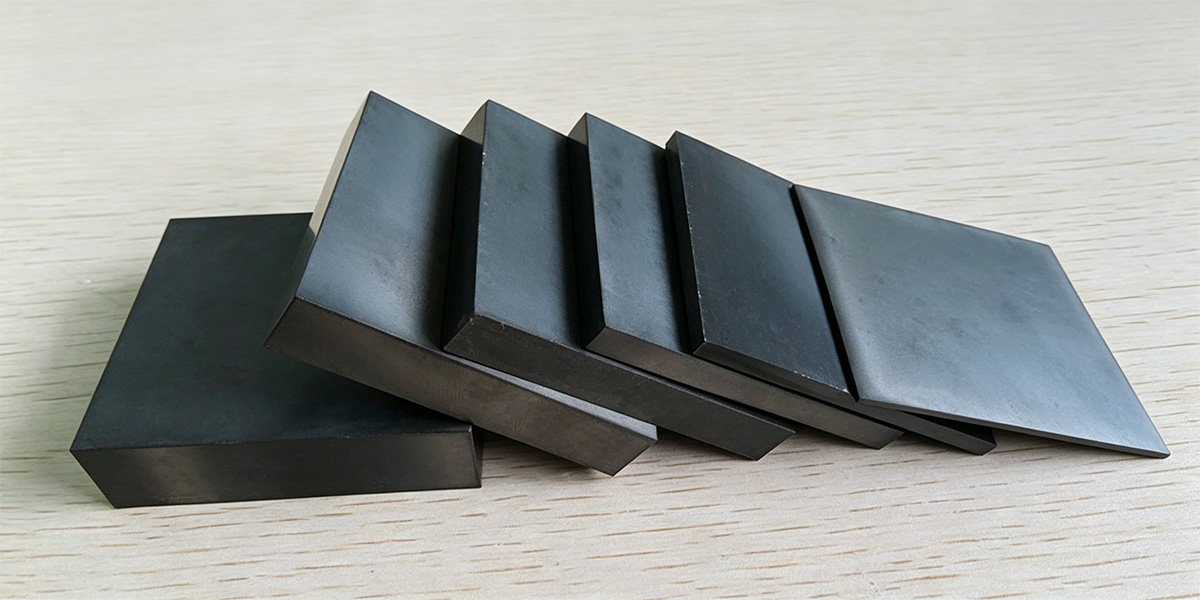
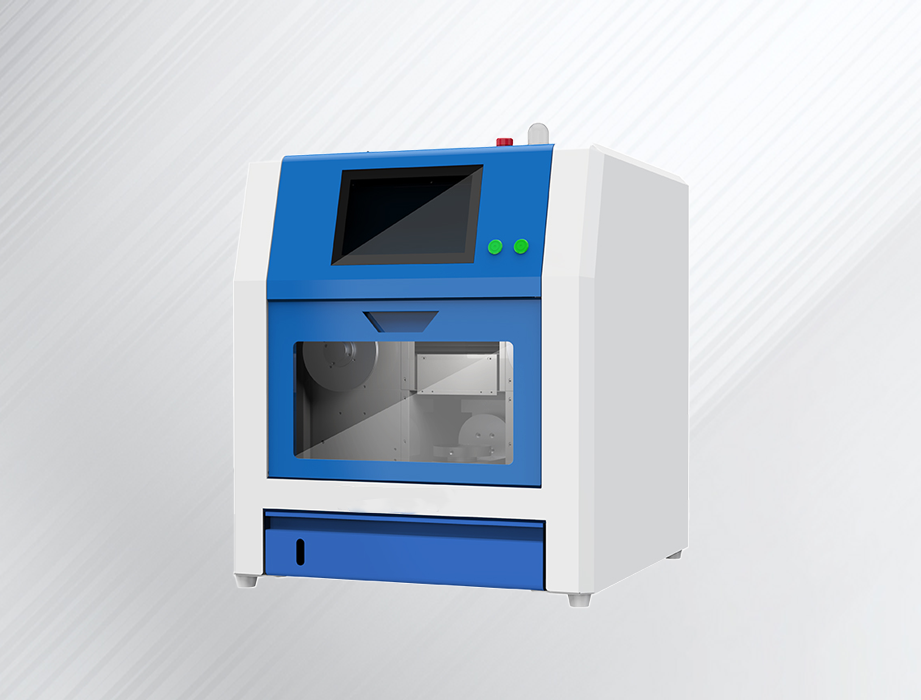
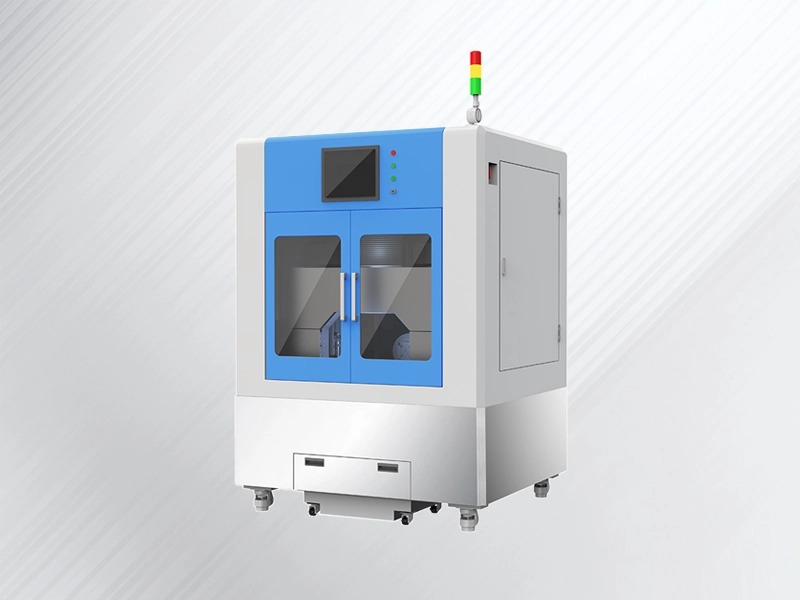
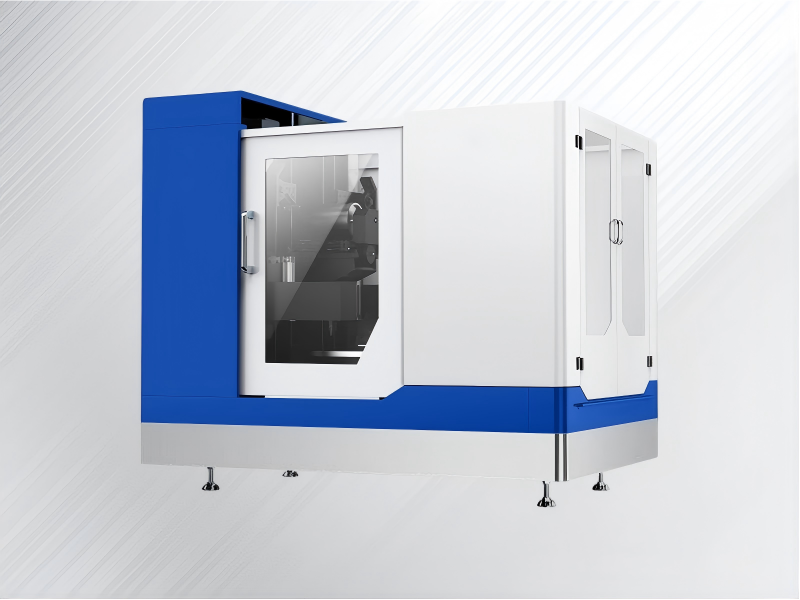
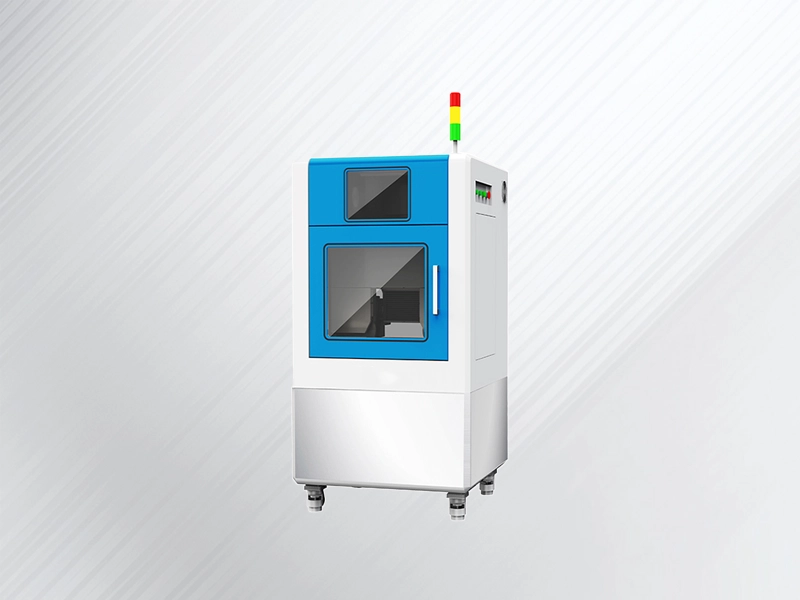
Machining graphite for EDM electrodes, semiconductor components, and photovoltaic parts presents distinct operational challenges: heavy material waste, airborne conductive dust, and edge chipping. Our solutions combine dedicated machinery and high-tensile diamond wire loops to resolve these issues directly on your shop floor.
-
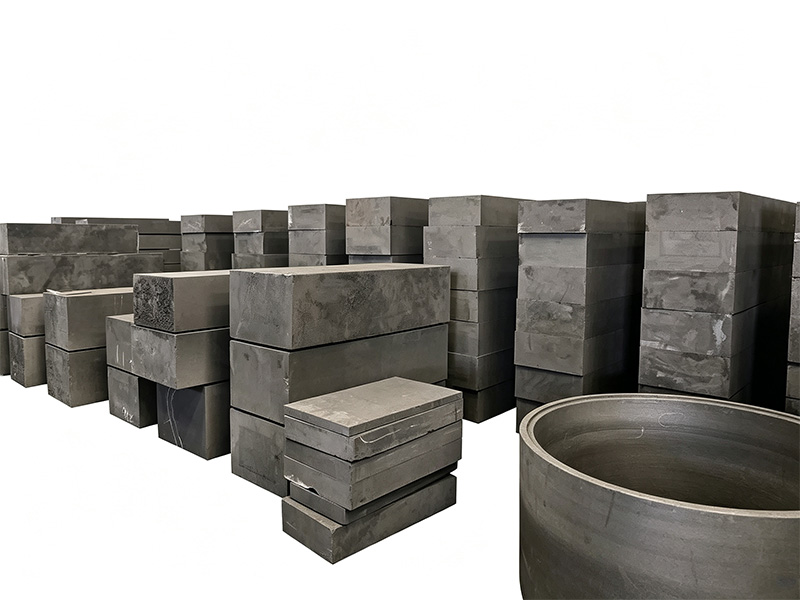
The Problem: Dry cutting graphite generates fine, conductive airborne dust. This dust poses health hazards to operators and settles inside machine electrical cabinets, causing short circuits and equipment downtime.
-
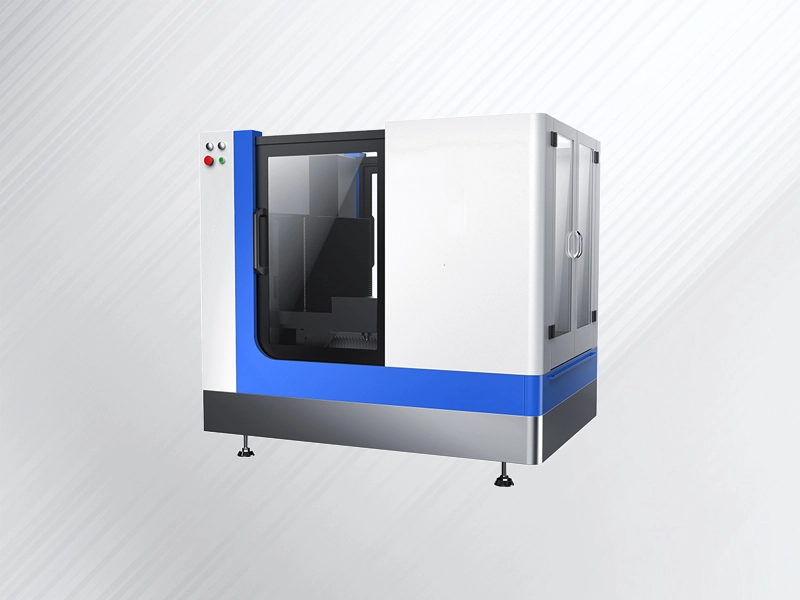
Our Solution: We provide an integrated, localized dust suction system that captures graphite particles directly at the cutting table during machining, removing the need for bulky external dust collection units.
-
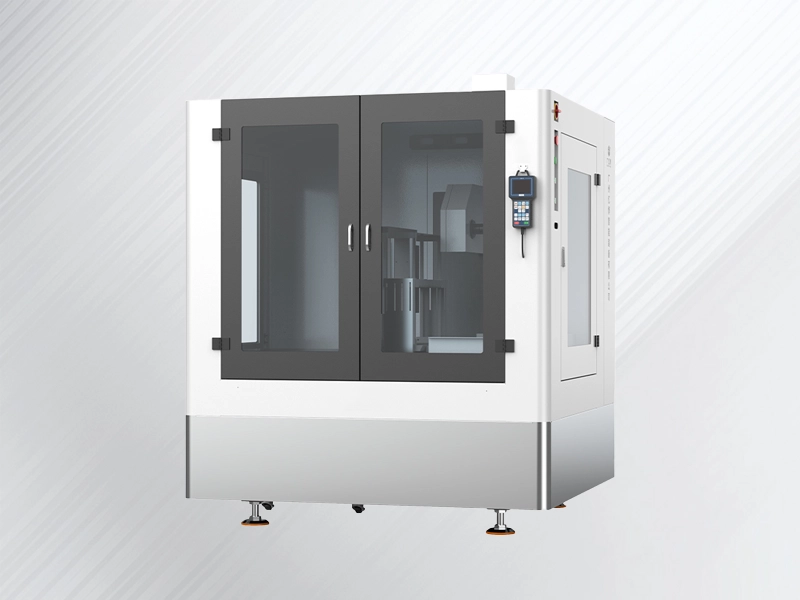
Technical Basis: Integrated automatic dust suction device within the worktable and fully enclosed 600 kg steel frame structure.
-
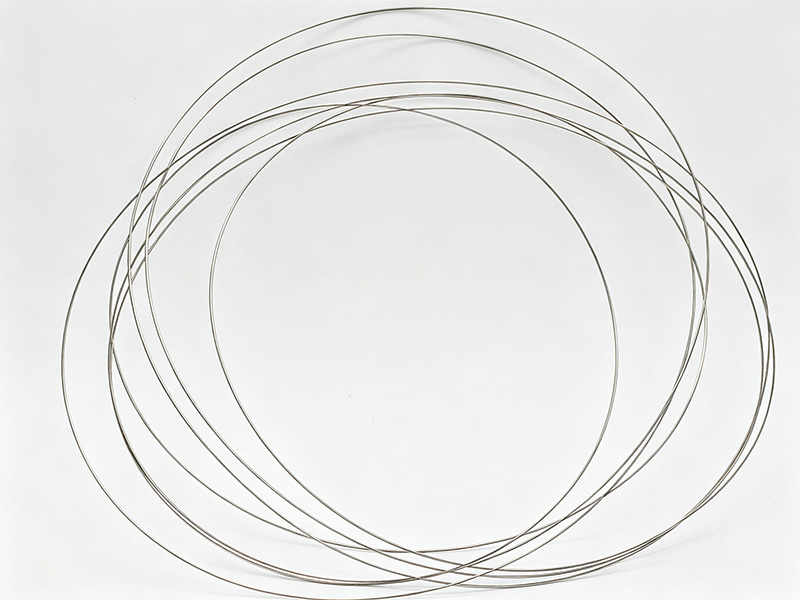
The Problem: Traditional band saws and circular blades have wide kerfs (1.5–3.0 mm), turning up to 30% of expensive isostatic and high-purity graphite into useless powder.
-
Our Solution: We utilize ultra-thin endless diamond wire loops to minimize kerf width, allowing manufacturers to retrieve more usable blocks or plates from every raw graphite ingot.
-
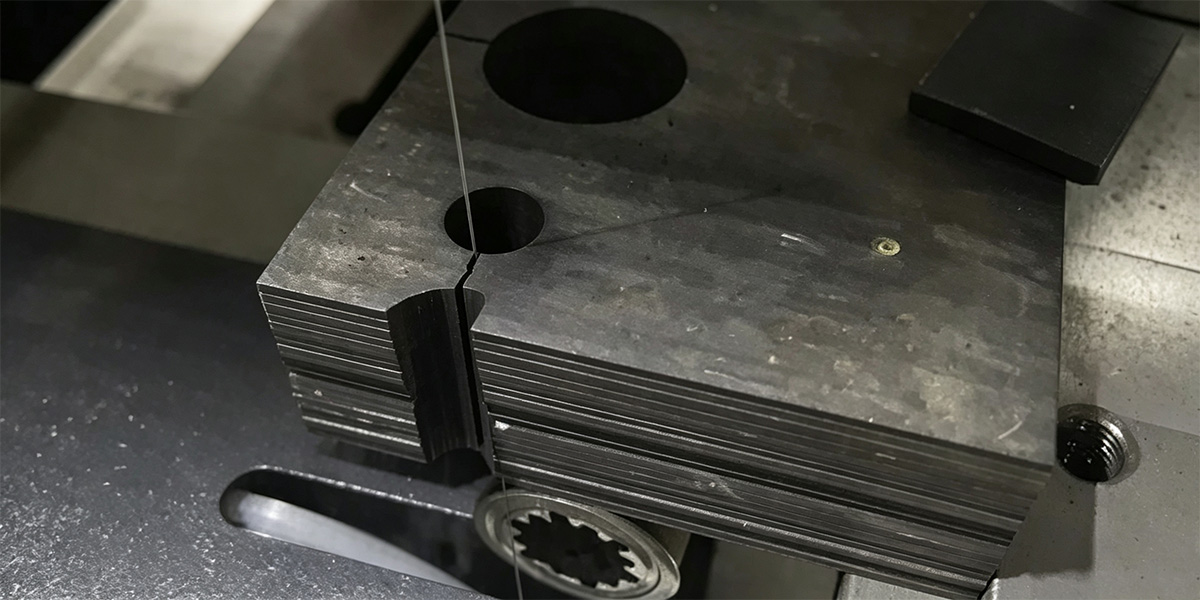
Technical Basis: 0.25–0.45 mm continuous diamond wire paired with mechanical counterweight tensioning, reducing material waste by up to 30% compared to band saws.
-
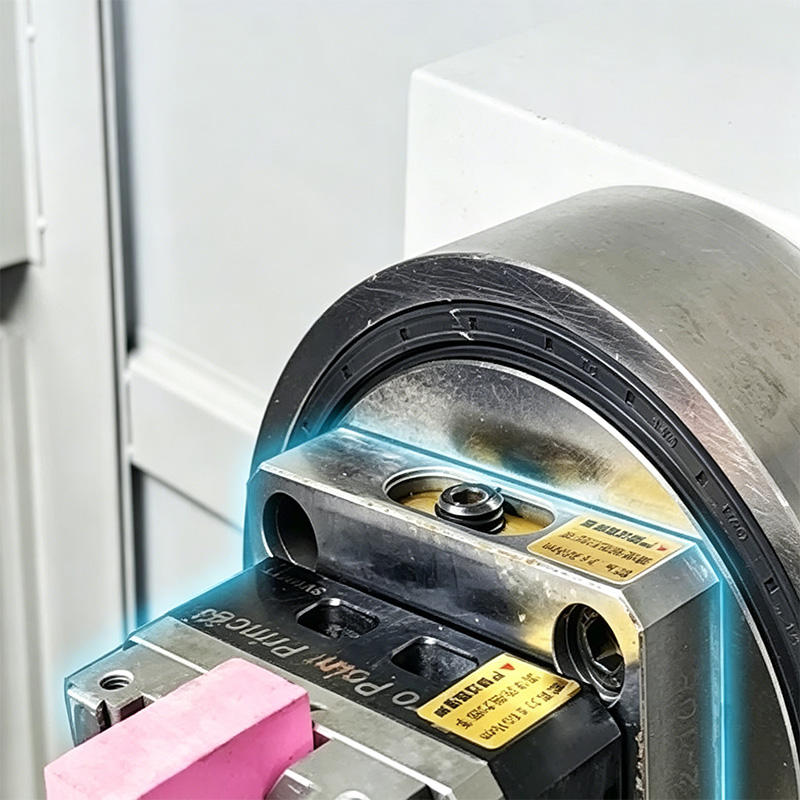
The Problem: Mechanical shock from saw teeth causes corner blowouts, edge chipping, and rough surface marks. This forces shops to run extra CNC milling passes to clean up cut edges.
-
Our Solution: A continuous micro-abrasive cold-cutting process delivers smooth, burr-free edges and a near-polished surface finish directly off the wire saw, bypassing rough-grinding steps.
-
Technical Basis: High-speed loop motion combined with stepper motors, precision screw rods, and linear guides delivering a surface roughness of Ra ≤ 0.05 mm and cutting precision of ±0.1 mm at feed rates up to 200 mm/min.
-
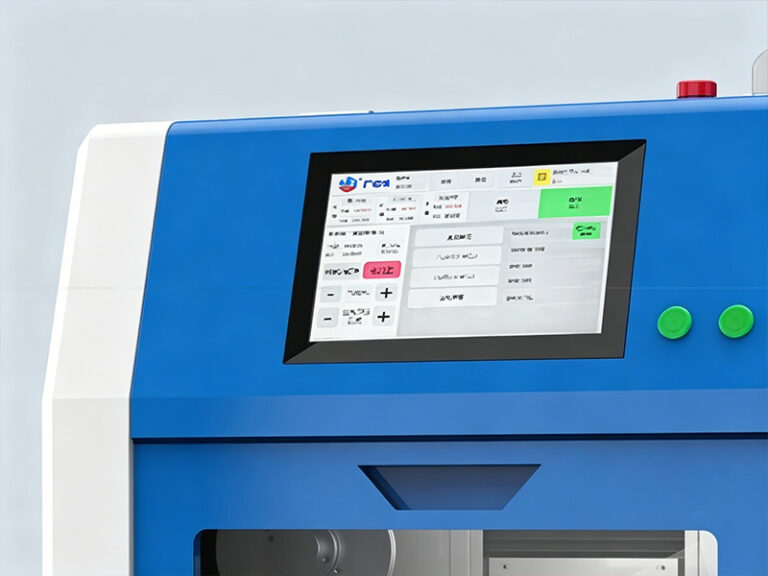
The Problem: Conventional straight-cut saws cannot machine curved 2D/3D shapes, and single-piece manual cutting slows down production throughput.
-
Our Solution: An automated control setup that handles both vertical multi-piece batch slicing and 360° contour profiling on a single machine platform.
-
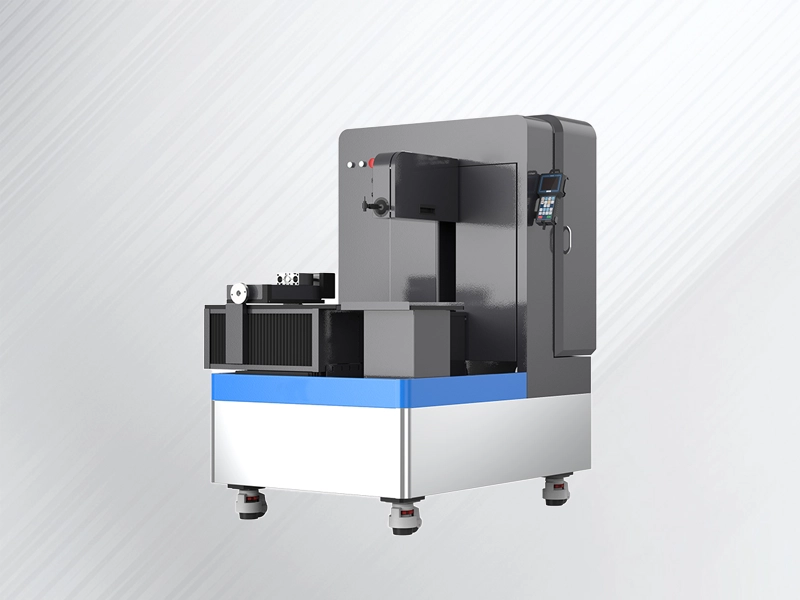
Technical Basis: Proprietary X80 CNC control system with hand-held controller supporting 360° profiling, vertical slicing, and programmable multi-slice continuous cutting with power-off protection.
-
The Problem: Reciprocating wire saws lose cutting momentum during direction reversals, creating wire bow, chatter marks, and frequent wire breakage.
-
Our Solution: Endless diamond wire loop technology maintains continuous, single-direction rotation at high linear speeds, ensuring constant tension and smooth slicing without direction-change shock.
-
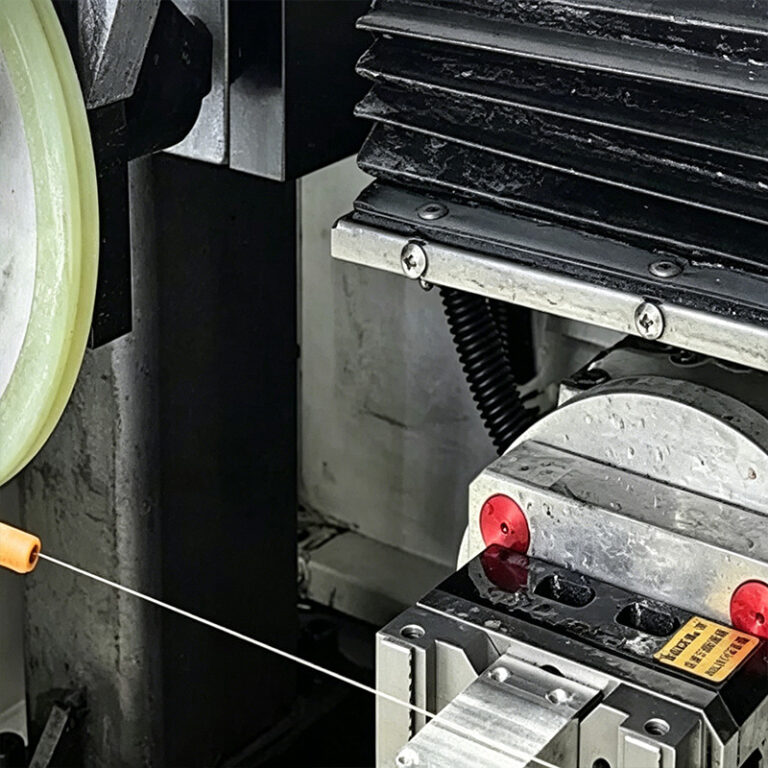
Technical Basis: 2960 mm endless electroplated diamond wire loops with tungsten/steel core running unidirectionally at linear speeds of 30–80 m/s without wire barrels .
Graphite Machining Workflow
Inspect raw graphite blocks and clamp them securely onto the worktable for aligned sectioning.
Slice large blocks into slabs using ultra-thin wire loops, reducing material kerf loss by up to 30%.
Execute 360° contour shaping or vertical multi-slicing to produce burr-free blanks with Ra ≤ 0.05 mm.
Engrave micro-details and intricate threads on near-net blanks, saving milling time and tool wear.
Perform CMM dimensional validation and ultrasonic cleaning to ensure strict tolerances before shipping.
Recommended Wire Saw Parameters for Graphite Cutting
Optimizing your wire saw parameters is essential for achieving clean, burr-free edges, extending diamond loop lifespan, and maximizing material yield. Because graphite density and grain structure vary significantly across grades—from coarse molded blocks to fine-grained isostatic or EDM graphite—matching linear wire speed, feed rate, and wire tension prevents edge chipping and maintains tight dimensional control.
Below are our recommended baseline parameters engineered for processing medium- to high-density graphite materials.
Baseline Process Parameter Matrix
| Parameter | Recommended Range | Operational Objective & Impact |
| Wire Diameter | 0.25 mm – 0.45 mm | Minimizes kerf loss and raw material waste |
| Linear Wire Speed | 30 m/s – 60 m/s | High-speed unidirectional motion ensures smooth, burr-free cut faces |
| Feed Rate | 10 mm/min – 200 mm/min | Scaled according to block thickness, cross-section area, and graphite density |
| Wire Tension | 20 N – 35 N | Maintains wire straightness, eliminating wire bow and kerf deviation |
| Cutting Mode | Dry cutting with localized dust extraction | Captures conductive graphite dust directly at the kerf line |
| Cutting Precision | ±0.1 mm | Ensures consistent near-net-shape accuracy for downstream CNC milling |
| Surface Finish | Ra ≤ 0.05 mm | Produces a near-polished surface directly off the machine |
Comparison: Diamond Wire Saw vs. Alternative Graphite Cutting Methods
| Key Evaluation Parameter | Endless Diamond Wire Saw | Traditional Band Saw | Circular / Abrasive Saw | Direct CNC Milling |
| Kerf Loss (Cut Width) | Ultra-Narrow (0.25–0.45 mm) | Wide (1.5–3.0 mm) | Extremely Wide (2.0–4.0 mm) | N/A (100% material turned to powder) |
| Material Yield & Savings | High (Saves 20%–30% raw graphite) | Low (Heavy kerf dust loss) | Very Low (High material destruction) | Lowest (Total volume destroyed as waste) |
| Edge Chipping & Stress | Zero thermal stress, chip-free edges | High risk of corner blowouts | High thermal stress, micro-cracks | Low chipping, but rapid tool wear |
| Surface Finish (Roughness) | Ra <= 0.05 mm (Near-polished) | Ra > 3.2 mm (Requires heavy rough grinding) | Ra 1.6–3.2 mm (Requires secondary grinding) | Ra <= 0.4 mm (Fine finish) |
| Profiling & Cut Depth | 360° contouring, unlimited depth | Straight cuts / large arcs only | Limited by blade radius, straight cuts only | Full 3D profiling, but slow for bulk removal |
| Dust Containment | Fully enclosed / Localized suction | Uncontained airborne dust | High-speed dust dispersal | Requires heavy external dust extraction |
Measurable Business & Operational Results
Ultra-thin kerf width (0.25–0.45 mm) extracts more usable blanks from every raw ingot, drastically cutting raw material procurement costs.
Continuous, low-force wire motion eliminates mechanical blade shock, preventing corner blowouts and micro-cracks on high-value parts.
Near-polished cut faces (Ra ≤ 0.05 mm) bypass rough grinding and move straight to fine engraving, extending cutter lifespan and shortening lead times.
Integrated localized suction captures conductive graphite dust at the kerf line, protecting sensitive machine electronics from short circuits.
Stable automated cutting removes shop floor bottlenecks, ensuring tight part-to-part consistency and reliable on-time delivery schedules.