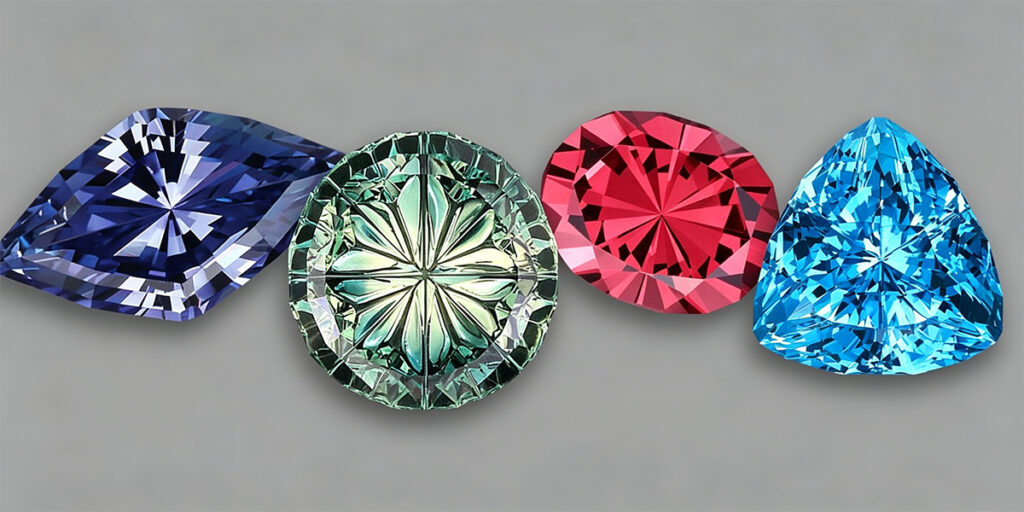
What Are Precious Stone Cuts?
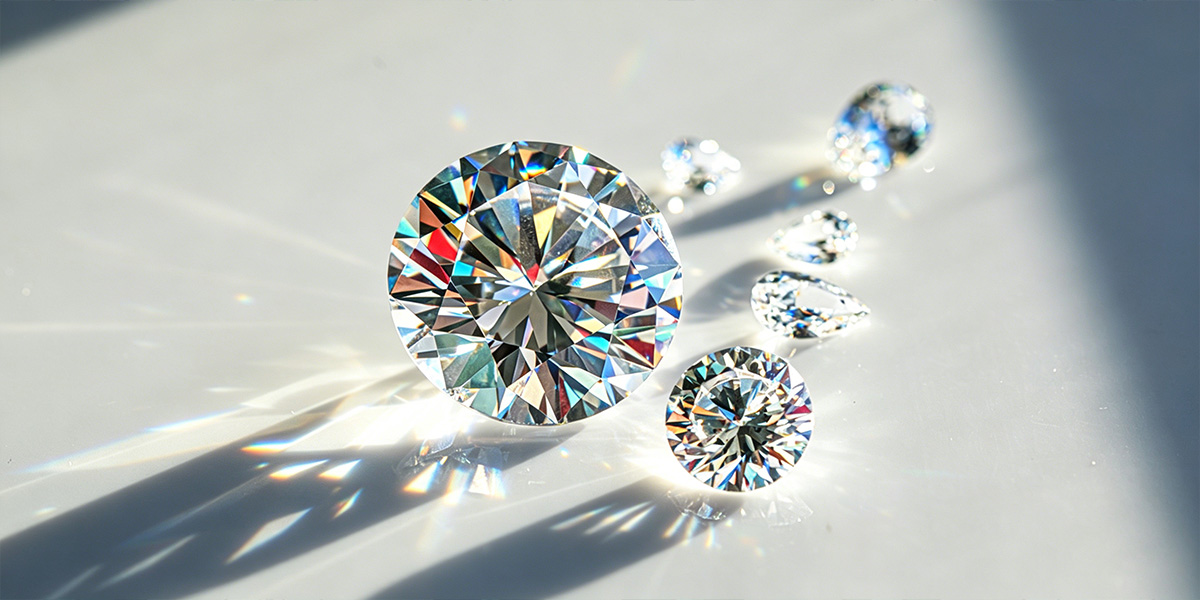
A gemstone’s cut is often mistaken for its shape, but they are two different things. Shape is simply the outline — round, oval, emerald. Cut, by contrast, refers to the art of lapidary: the precise angling, proportioning, and polishing of each facet. Think of it as an optical engine that controls how light enters, bounces, and returns to your eye.
Cut quality is judged by proportions, symmetry, and facet craftsmanship. When done right, a gem shows strong brilliance (returned white light), vivid fire (rainbow flashes), and lively scintillation (sparkle). When cut poorly, the stone leaks light and looks dull — even if it’s large and flawless.
In short, carat weight alone doesn’t determine worth. Cut is the single biggest factor in a gem’s beauty and price. It’s what transforms a rough crystal into a truly precious stone.
Difference Between Cut, Shape and Facet
Shape, cut and facet are three terms that often get mixed up, but each one describes a different aspect of a gemstone.
Shape is the simplest — it’s the outline of the stone when you look at it from above. Round, oval, pear, emerald (the geometric form), heart and marquise are all shapes.
Cut refers to the arrangement and quality of the facets. It’s the optical design: how facets are placed, angled and proportioned to control the way light enters and exits. Cut also determines a gem’s brilliance, fire and overall liveliness. Common cutting styles include brilliant cut (triangular facets radiating outward for maximum sparkle), step cut (parallel facets creating a calm, mirrored look) and mixed cut (a combination of both).
Facets are the individual flat surfaces that make up the cut. Every brilliant, step or mixed cut is built from dozens of carefully positioned facets. Their size, angle and polish are what turn a dull crystal into a bright, lively gem.
A useful way to understand the relationship: the same shape can wear different cuts. A square outline, for example, can be cut in a brilliant style (princess cut) or a step style (Asscher cut). Round brilliant means a round shape combined with a brilliant cut. Emerald cut is a step cut applied to an octagonal shape — often just called “emerald shape.” In every case, facets are the building blocks that execute the cut within that shape.
Why Cut Matters So Much
Cut is widely considered the most important of the 4Cs — not because it’s glamorous, but because it alone controls how light behaves inside a gem. A perfectly cut stone looks bright, lively and valuable. A poorly cut one looks dark and lifeless, no matter how large or clear it is.
The Optical Triangle: Brilliance, Fire and Scintillation
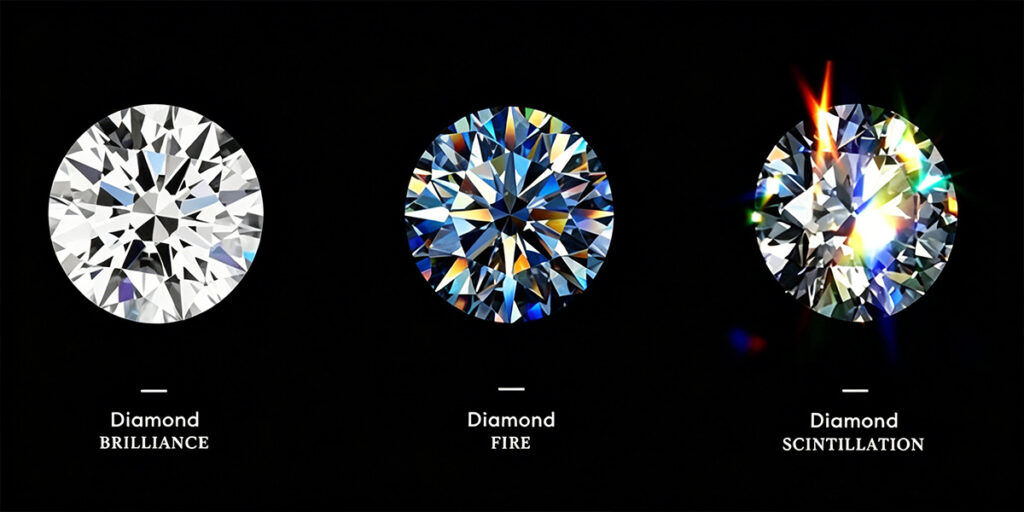
A gem’s visual magic comes from three light effects, all driven by cut quality:
- Brilliance (total white light return). Light enters through the crown and, in a well-proportioned stone, reflects off the pavilion facets and bounces straight back to the eye. If the pavilion is too deep or too shallow, light leaks through the bottom or sides, and the stone loses brightness.
- Fire (rainbow-colored flashes). White light splits into spectral colors inside the gem — this is fire. Diamonds show strong fire thanks to high dispersion (0.044), but most colored gems rely more on brilliance and scintillation for beauty.
- Scintillation (sparkle pattern). As the gem, the light source or the viewer moves, facets flash bright and dark in a sparkling display. Good symmetry and precise facet alignment make scintillation crisp and even.
Common Problems: Extinction and Windowing
- Extinction appears as dark, lifeless zones inside the gem, usually because facet angles fail to return light to your eye.
- Windowing happens when the pavilion is too shallow — you can see right through the center of the stone to the background behind it. It’s a direct result of poor cutting and kills much of the gem’s brilliance.
Cut Grade Directly Affects Gem Value
Leading laboratories such as GIA grade cut from Excellent to Poor. A stone with an Excellent cut can command significantly higher prices than a similar-weight gem with a Fair or Poor cut. Because cut directly controls fire, scintillation and overall light performance, it’s often the single largest factor in a precious stone’s final worth.
Main Types of Precious Stone Cuts
Almost every faceted gemstone can be grouped into one of three fundamental cutting styles: brilliant, step or mixed. These three categories define how light enters a stone, travels through it and returns to the eye. Alongside cabochons, rose cuts and fancy cuts, they cover the full range of styles used in fine jewelry today.
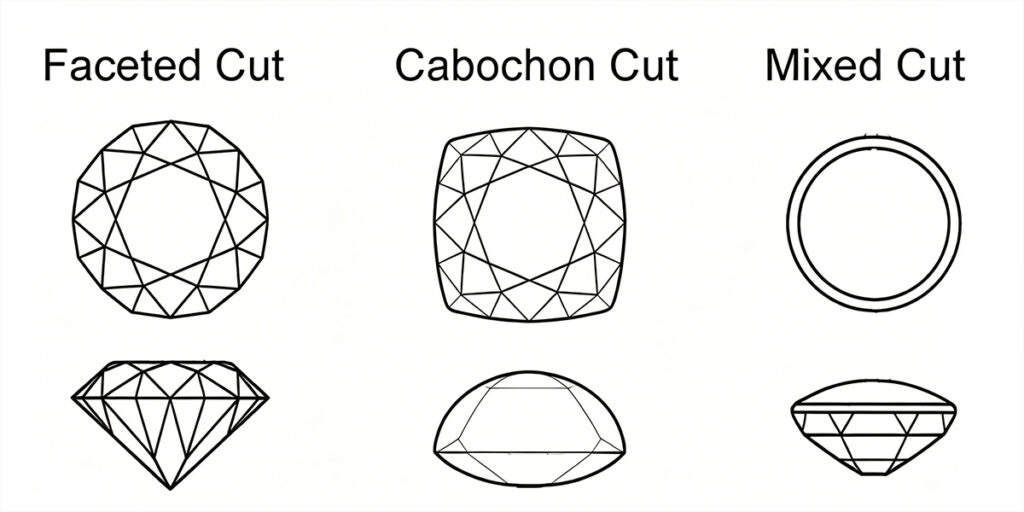
Brilliant Cut
A brilliant cut arranges triangular and kite-shaped facets so they radiate outward from the center of the stone. The goal is straightforward: force light entering the crown to bounce internally off the pavilion facets and return as bright white brilliance mixed with rainbow-colored fire. The standard round brilliant contains 57 or 58 facets positioned at mathematically calculated angles, achieving the highest light return of any cutting style. Fancy brilliant shapes — oval, pear, marquise and heart — apply the same principle in different outlines.
Brilliant cuts dominate the market for one practical reason: their busy facet pattern hides small inclusions and softens body color, giving a lively look even to stones that aren’t absolutely flawless. They sacrifice a higher percentage of rough crystal during cutting, but the payoff is maximum sparkle. When a buyer prioritizes fire and brilliance above everything else, a brilliant cut is the natural choice.
Step Cut
Step cuts take the opposite approach. Instead of radiating triangles, the facets are long, narrow parallelograms arranged in horizontal tiers that descend like stairs from the girdle to the culet. This produces broad, calm flashes of light and a mirror-like depth that reads as elegant and architectural. The emerald cut — a step cut applied to an octagonal shape — is the most recognizable example, alongside the square Asscher and the tapered baguette.
Because step cuts have a large, open table and fewer, wider facets, they leave inclusions clearly visible. A stone with even minor clarity issues will show every flaw. For that reason, step cuts demand higher clarity grades and careful selection. They also don’t produce the same all-over sparkle as a brilliant; instead, they create strong dark-light contrast and a serene, sophisticated presence.
Mixed Cut
A mixed cut blends brilliant and step faceting into a single stone. The typical configuration puts a step-cut crown on top and a brilliant-cut pavilion below, though the reverse exists. This combination gives the structured, geometric table appearance of a step cut while benefiting from the light reflection of a brilliant pavilion. The radiant cut — a rectangular or square outline with trimmed corners and around 70 facets — is the classic mixed-cut example. Many modified cushion cuts also fall into this category.
Mixed cuts bridge the gap between fire and elegance. They show noticeably more sparkle than a pure step cut and a cleaner, more formal top view than a pure brilliant. For colored gemstones, the brilliant pavilion can deepen apparent saturation while the step crown keeps the face-up appearance orderly. This versatility has made mixed cuts increasingly popular for engagement rings and colored stone jewelry, where buyers want both personality and performance.
Quick Comparison
| Feature | Brilliant Cut | Step Cut | Mixed Cut |
| Facet layout | Radiating triangles & kites | Parallel rectangular steps | Combination of both |
| Primary effect | Maximum brilliance & fire | Broad mirror flashes, strong contrast | Balanced sparkle & structured look |
| Clarity masking | Excellent | Poor — inclusions visible | Moderate |
| Typical shapes | Round, oval, pear, marquise, heart | Emerald, Asscher, baguette | Radiant, modified cushion |
| Best suited for | Buyers wanting guaranteed shimmer | High-clarity stones; sophisticated design | Those seeking a versatile middle ground |
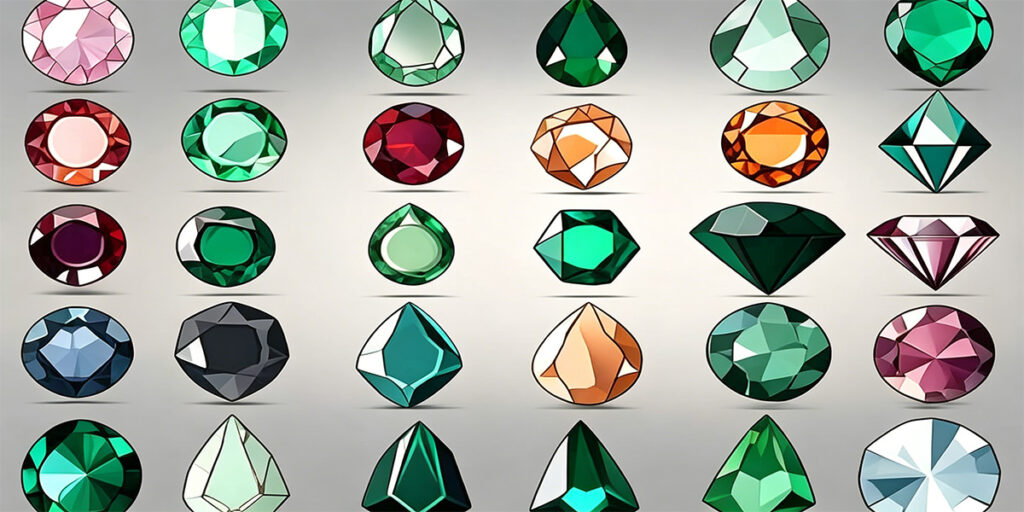
Other Common Cutting Styles
Beyond the three main types, several other cutting styles appear regularly in jewelry and lapidary work, each with a distinct purpose and look.
Rose Cut
The rose cut dates back to the 16th century. It features a flat bottom and a domed top covered with triangular facets, usually between 12 and 48 in total. The effect is a soft, muted glow rather than the sharp fire of a modern brilliant. Rose cuts were widely used before electric lighting became common, when candlelight brought out their gentle shimmer. Today they are valued for vintage-inspired engagement rings and antique-style settings.
Cabochon
A cabochon is a smooth, polished dome with no facets at all. It is the oldest form of gem cutting and remains the standard for opaque stones and those with optical phenomena. Star sapphires, cat’s eye chrysoberyl, moonstone, and opal are almost always cut as cabochons because facets would break up the moving light patterns inside the stone. A well-shaped cabochon displays color saturation and surface luster cleanly and evenly.
Briolette
A briolette is a three-dimensional drop or pear shape covered entirely with facets. It is usually drilled at the top so it can hang freely from a chain or earwire, catching light from every direction. Because briolette cutting is labor-intensive and demands high skill, it is reserved mostly for high-end necklaces, earrings, and collectible gemstones.
Checkerboard Cut
The checkerboard cut features square or diamond-shaped facets arranged in a grid-like pattern across the crown. This style adds extra surface sparkle and is especially popular in colored gemstones like citrine, amethyst, and garnet, where it enhances apparent color vibrancy. It is a modern decorative cut, often applied to standard shapes such as oval or cushion.
Portuguese Cut
The Portuguese cut is known for having an unusually high number of facets, often over 150, arranged in multiple tiers around the crown and pavilion. It creates exceptional brilliance and is used mainly for large, high-quality colored stones intended as statement pieces. The style is prized for its intensity of sparkle and depth.
Baroque Cut
Baroque cutting follows the natural shape of the rough crystal rather than forcing it into a standard geometric outline. Each baroque stone is unique. This approach is common with lower-grade rough or with gems that have irregular crystal formations, where maximizing weight retention is a higher priority than achieving perfect symmetry.
Fancy and Fantasy Cuts
Fancy cuts break away from round, oval, and other standard shapes. Fantasy cuts go further by incorporating concave facets, carved grooves, and sculptural forms. Pioneers like Bernd Munsteiner, who introduced concave cutting, and contemporary artists such as John Dyer and Victor Tuzlukov have turned gem cutting into a recognized art form. These pieces prioritize visual expression over maximum carat retention and are sought after by collectors and custom jewelry designers.
| Style | Key Feature | Typical Use |
| Rose Cut | Flat base, faceted dome | Antique-style rings, vintage jewelry |
| Cabochon | Smooth dome, no facets | Star gems, cat’s eye, opal, turquoise |
| Briolette | Fully faceted 3D drop | Hanging earrings, necklaces |
| Checkerboard Cut | Grid-like facet pattern | Colored gemstones, modern designs |
| Portuguese Cut | 150+ facets, multi-tiered | Large statement stones |
| Baroque Cut | Freeform, follows rough shape | Unique pieces, weight retention |
| Fancy/Fantasy Cuts | Concave facets, sculptural forms | Collector gems, art jewelry |
Each of these styles addresses a different need—preserving a star effect, evoking candlelight, maximizing sparkle, or creating a one-of-a-kind sculpture. Together, they show the full breadth of what gem cutting can achieve beyond the standard brilliant, step, and mixed categories.
Popular Precious Stone Shapes
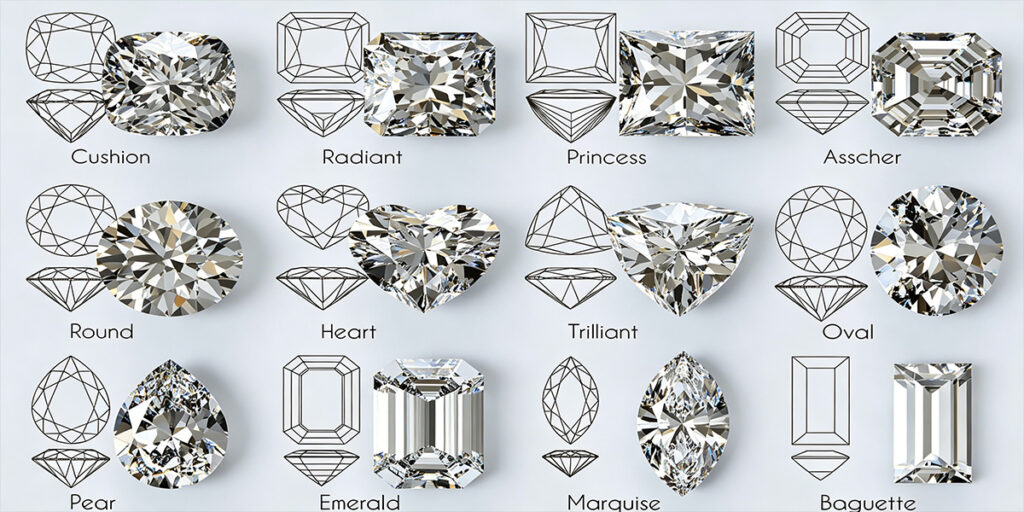
Shape is the geometric outline of a gemstone seen from above. While cut determines light performance, shape defines the stone’s face-up personality and how it looks on the hand. Below are the ten most popular shapes in today’s jewelry market, each with distinct visual traits and common uses.
Round
The round shape dominates the market, accounting for over 70% of all diamonds sold. Its symmetrical outline supports the round brilliant cut, the most optically efficient design ever calculated. A well-cut round stone delivers maximum brilliance, fire and scintillation. Round shapes suit virtually every setting style and finger type, making them the default choice for engagement rings. They typically command a price premium over other shapes of equal carat weight.
Oval
The oval shape combines round-like sparkle with a longer, larger-looking face-up outline. A one-carat oval covers more surface area than a one-carat round, giving greater apparent size for the same weight. Its elongated form creates a flattering, finger-lengthening effect. Oval shapes work well in solitaire rings, three-stone settings and pendant necklaces. They are among the fastest-growing shapes in popularity.
Princess
The princess shape is square or slightly rectangular with sharp corners and a brilliant-style facet pattern. It is the brightest square shape available, second only to round in overall sparkle. Princess shapes offer a modern, angular look that appeals to buyers wanting clean lines over curves. They are popular in solitaire rings and channel-set bands, though the pointed corners require protective settings to prevent chipping.
Emerald
The emerald shape is rectangular with trimmed corners and a large, open table. It uses a step cut, which creates broad mirror-like flashes rather than scattered sparkle. The effect is understated and architectural. Because the wide table exposes every inclusion, emerald shapes demand higher clarity grades. They pair well with baguette side stones and suit buyers drawn to vintage elegance or Art Deco design.
Cushion
The cushion shape is a soft rectangle or square with rounded corners, resembling a pillow. Historically popular in the 19th century, it has a warm, romantic appeal. Most cushion shapes use a modified brilliant cut with large facets that produce strong, chunky fire. The shape works beautifully in halo settings, vintage-style rings and colored gemstone jewelry. It’s a top choice for antique-inspired engagement rings.
Pear
The pear shape combines a rounded end with a pointed tip, like a teardrop or droplet. It offers the face-up size advantage of an elongated shape and a distinctive silhouette that stands out from round and square alternatives. Pear shapes look graceful in pendants and drop earrings where the point hangs downward. In rings, the pointed end should face the wearer’s knuckle for a balanced look. Symmetry matters: the two halves must match precisely.
Marquise
The marquise shape is a narrow oval with pointed ends, maximizing face-up surface area for its carat weight. No other shape looks larger per carat. Its elongated silhouette creates a dramatic lengthening effect on fingers. Marquise shapes suit solitaire settings and stand-alone pendants, though the sharp points need protective prongs. The shape traces its name to the Marquise de Pompadour, though modern versions are less extreme than historical cuts.
Heart
The heart shape is the most romantic option and is essentially a pear with a cleft at the top. It demands high symmetry — the two lobes must match perfectly and the cleft must be centered. Hearts work best in pendants, where the shape can be appreciated fully, and in statement rings. A well-cut heart shows even brilliance across both sides. Stones below half a carat rarely receive a high-quality heart cut, as the detail becomes hard to execute at small sizes.
Asscher
The Asscher shape is a square step cut with deeply trimmed corners, creating an octagonal outline. It was introduced in 1902 and became an Art Deco icon. The faceting forms a distinctive windmill pattern when viewed from above, with concentric square steps that draw the eye inward. Like the emerald shape, it demands high clarity. Asscher shapes suit vintage settings and buyers who prefer geometric, structured designs over soft curves.
Radiant
The radiant shape is a rectangular or square outline with trimmed corners, combining a step-cut crown with a brilliant-cut pavilion. It has around 70 facets and shows both the structured elegance of an emerald shape and the sparkle of a brilliant. Radiant shapes maintain strong light performance even in colored gemstones, where body color can appear deeper and more saturated than in a pure step cut. They are a versatile choice for engagement rings and colored stone jewelry.
Quick Reference Table
| Shape | Visual Effect | Common Use |
| Round | Maximum brilliance, timeless | Engagement rings, stud earrings, all settings |
| Oval | Larger face-up appearance, finger-lengthening | Solitaires, three-stone rings, pendants |
| Princess | Angular, modern, high sparkle | Solitaires, channel-set bands |
| Emerald | Mirror flashes, elegant, art deco | Halos with baguettes, vintage rings |
| Cushion | Soft, romantic, chunky fire | Halo rings, antique-style settings |
| Pear | Distinctive silhouette, face-up size advantage | Drop earrings, pendants, statement rings |
| Marquise | Dramatic length, largest per carat | Solitaires, cocktail rings |
| Heart | Romantic, rare, requires symmetry | Pendants, sentimental pieces |
| Asscher | Windmill pattern, geometric depth | Art Deco rings, vintage settings |
| Radiant | Balanced sparkle and structure | Engagement rings, colored gemstone jewelry |
Each shape carries its own visual language and practical trade-offs in price, durability and setting compatibility. Understanding these differences helps buyers narrow down choices quickly and confidently.
How Cutting Affects Value and Appearance
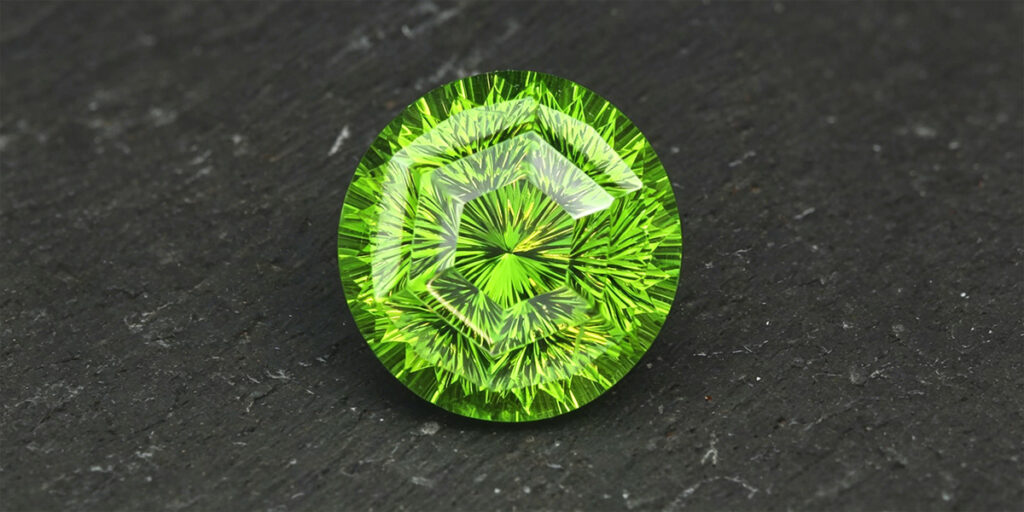
Cut is the single most influential factor in how a gemstone looks and what it costs. While carat weight, color and clarity matter, cut alone determines whether light performs well inside the stone — and that directly shapes both beauty and price.
Light Performance
A well-cut stone returns light efficiently. Light enters through the crown, reflects off the pavilion facets, and exits back toward the eye as brilliance (white light) and fire (rainbow flashes). When proportions are ideal, the stone looks bright and lively. A poorly cut stone leaks light through the bottom or sides, creating dark, lifeless areas. No amount of carat weight or color can fix weak light return.
Proportions
Proportions — the relationship between table size, crown height, pavilion depth and girdle thickness — control how light travels inside the gem. A pavilion that is too shallow creates a window: a transparent zone where you see right through the stone. A pavilion that is too deep traps light and causes extinction. Both problems reduce brilliance and lower the stone’s market value.
Symmetry
Symmetry refers to how precisely facets are aligned. Even minor misalignment causes light to reflect unevenly, weakening scintillation and making the stone appear lopsided. Symmetry directly affects cut grade and resale value. Lopsided hearts, off-center culets and uneven shoulders on a pear shape all push prices downward.
Polish
Polish describes the smoothness of facet surfaces. Micro-pitting, scratches and polish lines scatter incoming light, reducing crispness and brightness. High-quality polish allows light to pass cleanly through the surface, yielding sharper brilliance.
Weight Retention vs. Appearance
Cutters face a constant trade-off: retain more of the rough crystal, or cut to ideal proportions for beauty. A stone cut for maximum weight often ends up with poor proportions and lower light performance. Stones cut for ideal appearance sacrifice more rough material, but the result commands higher per-carat prices. A one-carat well-cut stone can be worth more than a one-and-a-half-carat poorly cut stone with similar color and clarity, simply because it looks better.
Clarity Masking
Some cutting styles are more forgiving than others. Brilliant cuts, with their dense, radiating facet pattern, break up light in ways that hide small inclusions. Step cuts, with their broad open table, leave inclusions plainly visible. A stone with mediocre clarity can still look clean in a brilliant cut, but the same clarity level in an emerald shape will show flaws visibly — and that gap shows up directly in market pricing.
In short, cut is the one factor that truly transforms a rough crystal. It determines whether the stone lives up to its potential or falls flat. For buyers, that makes cut the single most important variable to evaluate — before carat, color or clarity.
How Precious Stones Are Cut
Turning a rough crystal into a finished gem involves several deliberate steps. Each stage demands precision, because a mistake at any point can ruin the stone’s final appearance and value.
Planning and Marking
The process begins with careful examination of the rough. A gemologist or master cutter assesses the crystal’s shape, inclusions, color zoning and internal stress. The goal is to map out which parts of the rough will yield the best finished stones and how they should be oriented for maximum color and clarity. In modern workshops, 3D scanning and CAD software help model different cutting scenarios before a single cut is made, saving expensive trial and error.
Sawing and Slicing
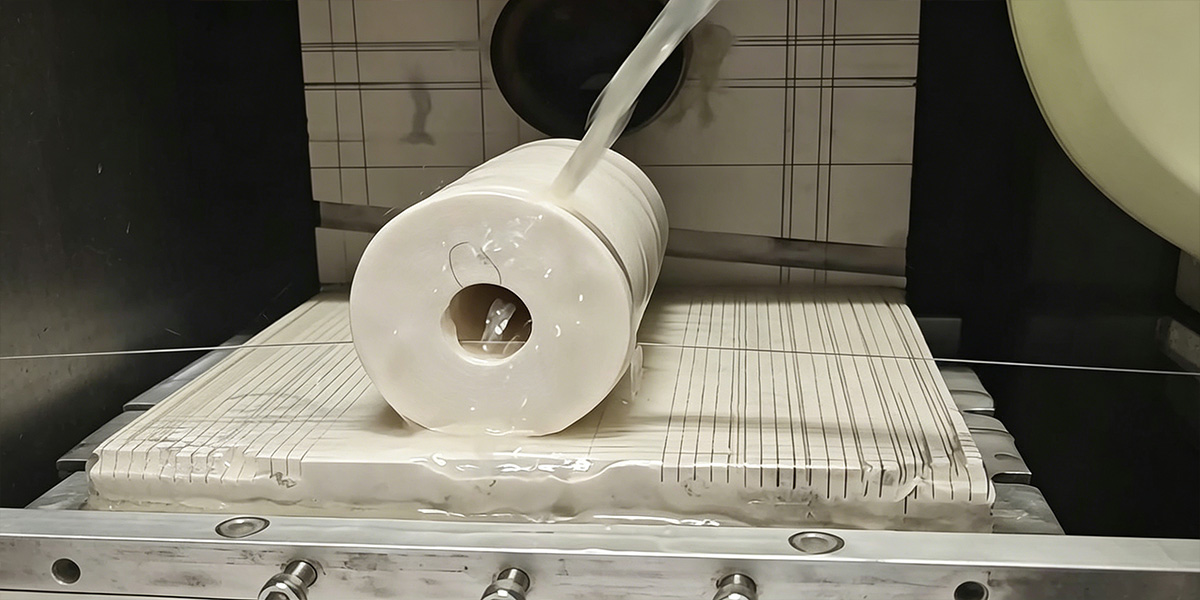
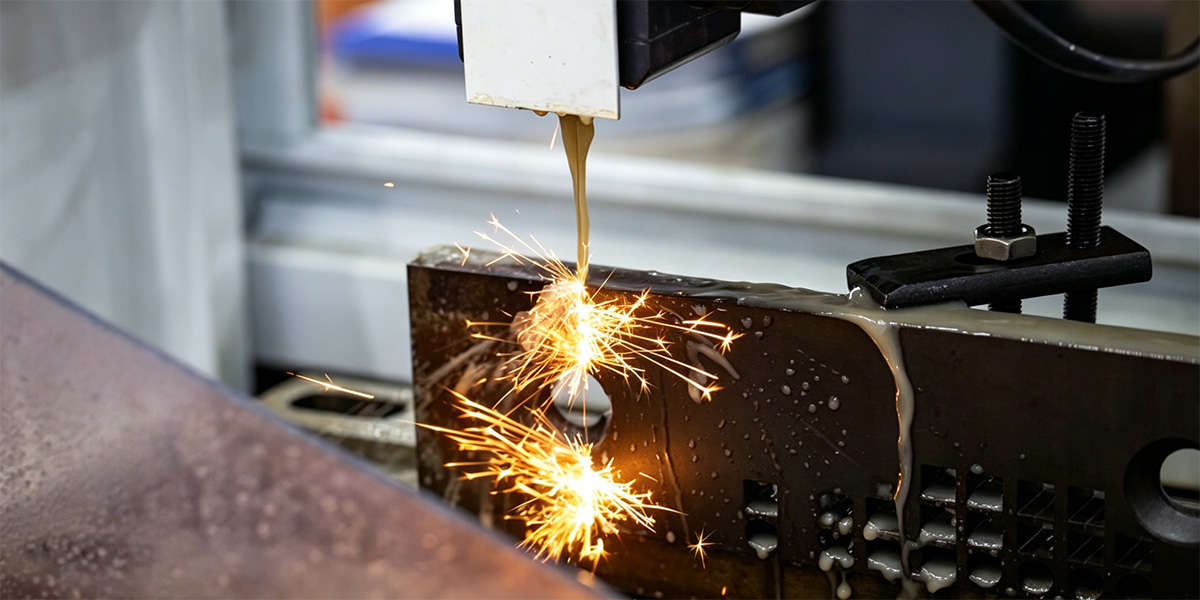
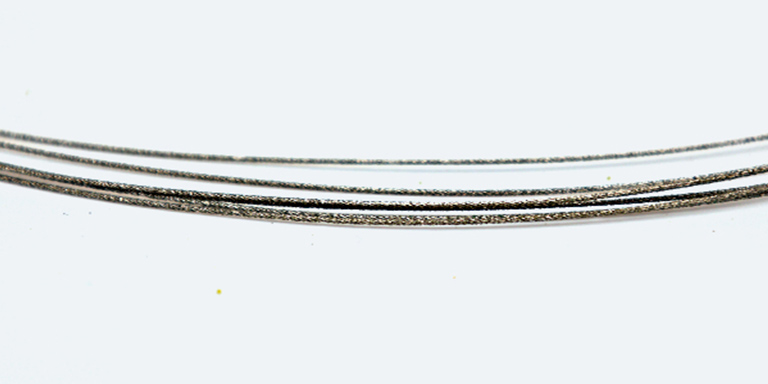
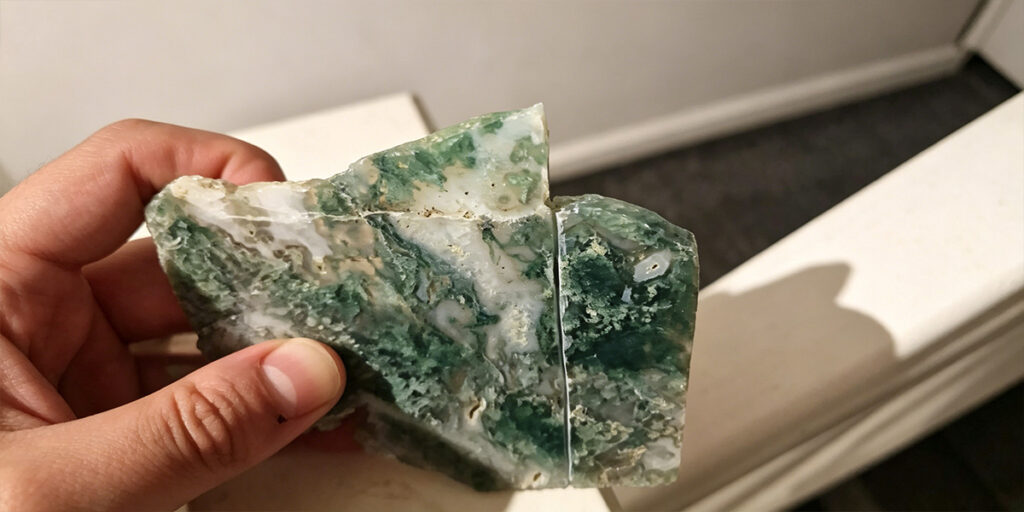
The marked rough is sawn into manageable blocks or slabs. This is especially critical with high-value, hard materials like sapphire, ruby and quartz. Traditional circular saws work but cause significant material loss from wide kerfs. Diamond wire sawing has become the preferred method in many professional lapidary shops. A diamond wire loop, running at high linear speeds with a kerf as narrow as 0.3 mm, slices through hard crystals with minimal waste, low heat buildup and reduced risk of internal fractures. For valuable rough where every fraction of a carat counts, the narrower the cut, the more usable material survives for the next stage.
Preforming and Grinding
The sawn pieces are shaped into rough versions of the final form — round, oval, emerald and so on — using a grinding wheel or diamond-embedded lap. The cutter establishes the girdle outline and begins setting the basic angles for the crown and pavilion. At this point the stone still looks frosted and matte.
Faceting
Faceting is the core of the lapidary craft. Each individual flat surface is ground onto the stone using a faceting machine. The stone is mounted on a dop stick and held against a rotating lap at a precise angle. Cutters work through a sequence of coarse to fine grits, building the facet pattern layer by layer. Brilliant cuts, step cuts and mixed cuts each follow distinct facet diagrams that determine how light will later move through the stone. For a standard round brilliant with 57 facets, this means over 50 separate, angle-sensitive operations.
Polishing
After all facets are cut, the stone moves to polishing. A finer abrasive compound on a polishing lap removes the microscopic scratches left by grinding, giving each facet a smooth, glassy surface. Good polish is essential for sharp light reflection. Polish lines or surface haze scatter light and reduce brilliance.
Quality Check
The finished stone is inspected under magnification for symmetry, facet alignment, polish quality and any damage sustained during cutting. Leading labs such as GIA and GUILD assign formal cut grades at this stage, evaluating proportions, symmetry and polish.
Each step in this chain determines what the stone will ultimately look like. A disciplined cutting process preserves weight, maximizes brilliance and turns a piece of rough into a finished gem that holds its value.
Traditional vs Modern Cutting Methods
Traditional gem cutting relied heavily on the cutter’s hands and eyes. Rough was sliced with bow saws or small circular blades, shaped on hand-cranked wheels and faceted one stone at a time with simple angle jigs. The work was slow, material loss from wide saw kerfs was high, and repeating identical cuts across multiple stones was difficult. The results were often unique, but unpredictable.
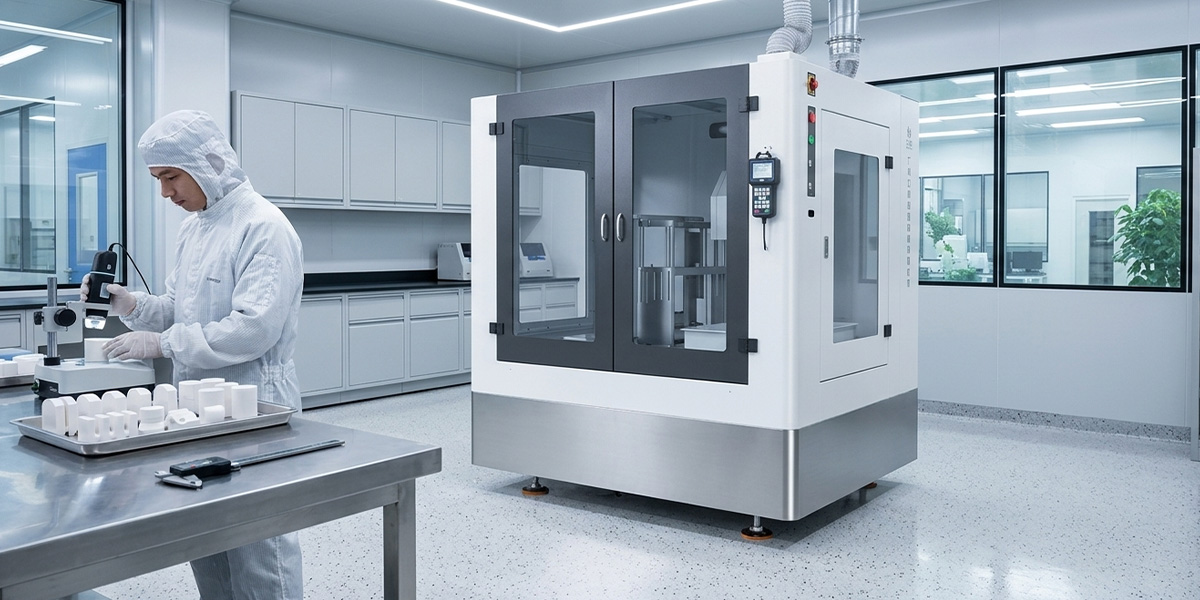
Modern cutting brings digital planning, advanced abrasives and precision machinery into the workshop. Diamond wire cutting, using precision wire saw technology, now separates hard rough with a kerf as narrow as 0.3 mm — far less waste than older methods. CNC faceting arms hold angles to tight tolerances for consistency, laser systems handle detailed shaping with minimal heat stress, and software maps inclusions before the first physical cut is made. Polishing with engineered laps is faster and more uniform.
Most professional shops today blend both worlds: they keep the trained eye for design decisions, while relying on diamond wire slicing and precision faceting equipment for efficiency, higher yield and reliable light performance.
How to Choose the Right Cut for Your Needs
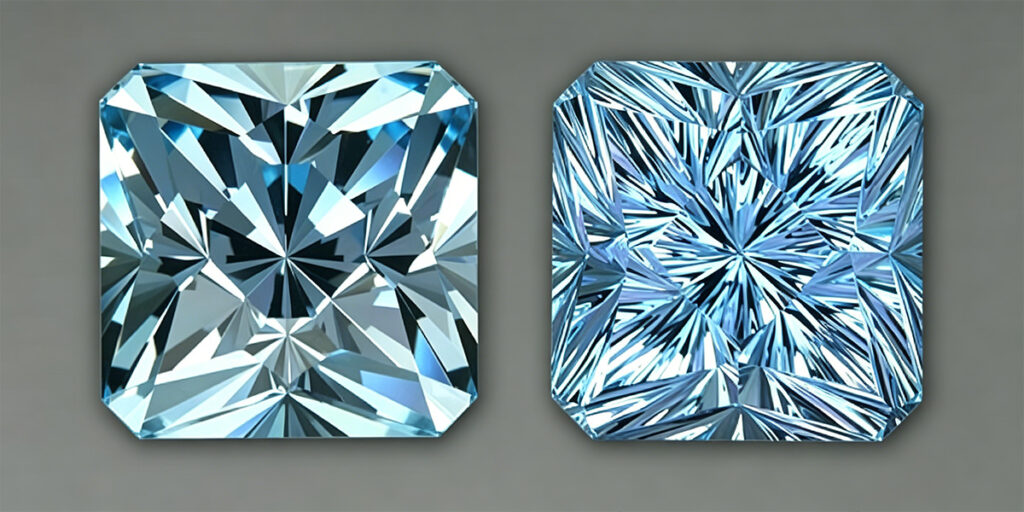
Selecting a gemstone cut isn’t just about looks — it’s about knowing what works for the wearer, the stone, and the setting.
Start with the hand. Shorter fingers benefit from elongated shapes like oval, marquise or pear, which visually lengthen. Wider fingers balance well with round or cushion shapes.
Consider the gem itself. Diamond performs best in a round brilliant that maximizes its optical potential. Sapphire and ruby are often cut as cushions or ovals, preserving weight while showing rich color. Emerald, with its natural inclusions, is frequently given an emerald step cut, but be aware that the open table makes flaws more visible.
Think about the jewelry type. Engagement rings most often feature round, cushion or oval stones for daily wear. Pendants and drop earrings suit pear and marquise shapes, while heart cuts feel personal for sentimental pieces.
Finally, match cut to clarity. Brilliant cuts hide small inclusions well, so they work even with slightly lower clarity grades. Step cuts like emerald and Asscher, with their large open tables, demand high clarity because every inclusion shows.
A practical choice in cut keeps the stone looking its best and getting worn often.
Selecting the Perfect Cut for Your Business
The right gemstone cut is a strategic balance of optical physics, market trends, and technical precision. Whether you are aiming for the timeless brilliance of a Round cut or the modern elegance of a Radiant shape, the quality of the “cut” remains the single most important factor in determining a stone’s final value and shelf appeal.
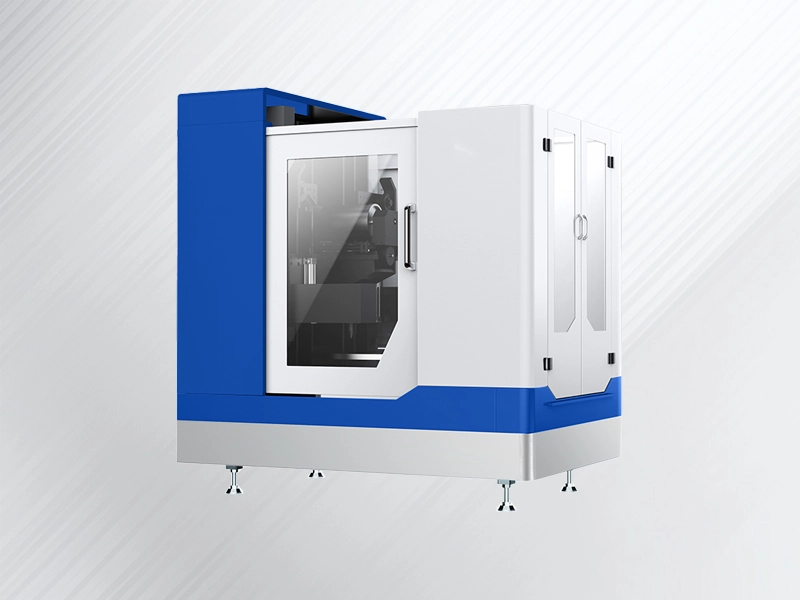
At Zelatec, we empower lapidary professionals and high-end jewelry manufacturers with industry-leading precision wire saw technology. Our diamond wire cutting solutions are engineered to handle the most delicate rough materials with minimal kerf loss and exceptional surface accuracy, ensuring you get the highest yield from every crystal.
Ready to upgrade your cutting precision?[Contact the Zelatec team today] for an expert consultation or to request a customized quote for our advanced cutting systems. Let’s bring out the best in every stone.